Kitchen Collateral: Plan Ahead to Avoid These Common Kitchen Remodel Mistakes

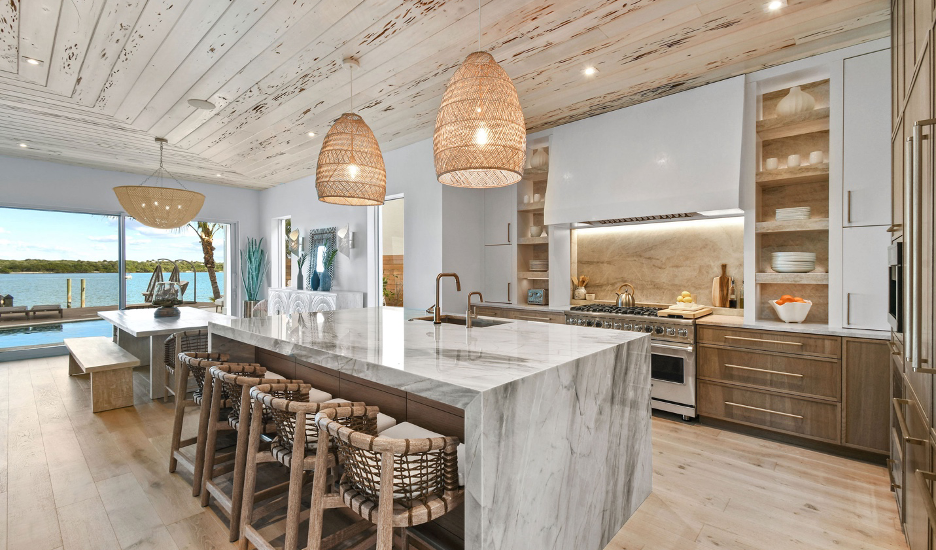
well-executed Kitchen remodel for a coastal home
Photo Courtesy of Houzz

Designing a kitchen for a coastal or beach home requires a different level of rigor than renovating inland. Salt air corrodes, humidity lingers, storms disrupt schedules, and many coastal properties—from Upper East shingle-style houses to contemporary California retreats—operate as seasonal residences with fluctuating occupancy. Professional kitchen designers consistently point out that the most expensive mistakes during a kitchen remodel are rarely aesthetic; they are procedural. Poor sequencing, incomplete planning, and underestimating logistics can derail even the most refined design vision.

In coastal regions such as the Mid-Atlantic and Southeast, permitting timelines and weather delays must be factored into the schedule. Along the Texas Gulf and broader Gulf Coast, humidity control and material acclimation are critical. In the Pacific Northwest, moisture and code requirements influence electrical and ventilation systems. A successful remodel depends less on trend awareness and more on disciplined coordination. Below are seven of the most common kitchen remodel mistakes designers see in coastal homes—and why avoiding them is essential to protecting both your investment and your property’s long-term performance.

Failing to Have a Solid Plan—Including Proper Electrical Wiring
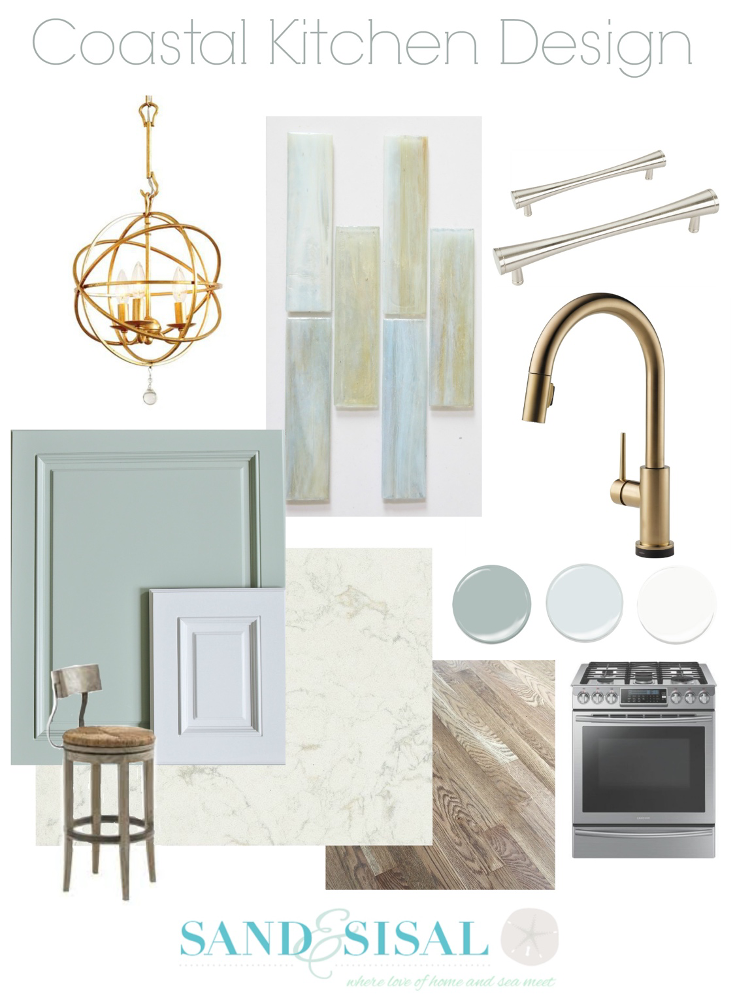
Coastal kitchen mood board / design plan
Photo courtesy of Sand & Sisal

One of the most common errors is beginning demolition without a comprehensive plan that integrates layout, lighting, appliance loads, and code-compliant wiring. Coastal kitchens often include high-performance ventilation, beverage refrigeration, ice makers, and outdoor-adjacent cooking zones—each requiring dedicated circuits. In hurricane-prone Southeast and Gulf Coast regions, surge protection and generator integration may also be necessary. In the Pacific Northwest and California, updated energy codes can affect wiring specifications. Without a finalized electrical plan, homeowners risk cutting into finished cabinetry to add outlets or discovering that their panel cannot handle the demand of appliances. The result is budget overrun, construction delays, and compromised design integrity. A complete plan, finalized before construction begins, is foundational for a successful kitchen remodel.

Selecting Appliances After Cabinetry
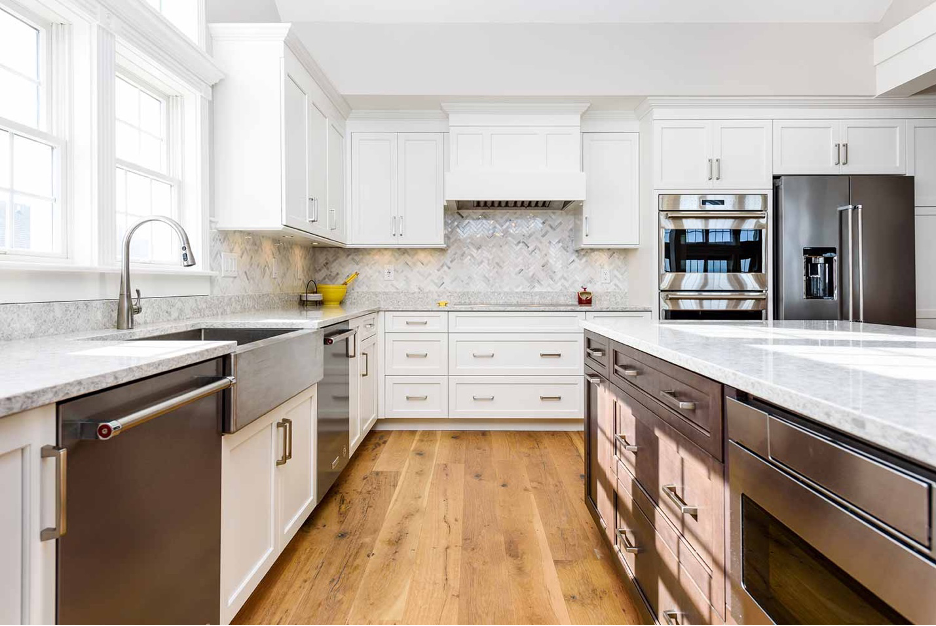
well-planned kitchen cabinetry and appliances
Photo courtesy of Cozy Kitchens

Appliance dimensions should drive cabinetry—not the reverse. Yet designers frequently see homeowners choosing cabinetry layouts first and then shopping for appliances later. In Upper East and Mid-Atlantic homes where space may be tighter, even a half-inch discrepancy can disrupt symmetry. In California coastal projects that favor flush-panel refrigeration and induction ranges, precise specifications are critical. Vent hood dimensions, panel-ready dishwashers, and undercounter refrigeration all require advance planning. Ordering appliances after cabinetry can result in filler panels, awkward gaps, or costly cabinet modifications. In coastal markets with extended shipping timelines—particularly Gulf Coast regions after storm seasons—appliance lead times can be substantial. Lock in appliance selections early to avoid structural revisions and delays during your kitchen remodel.

Selecting the Wrong Flooring
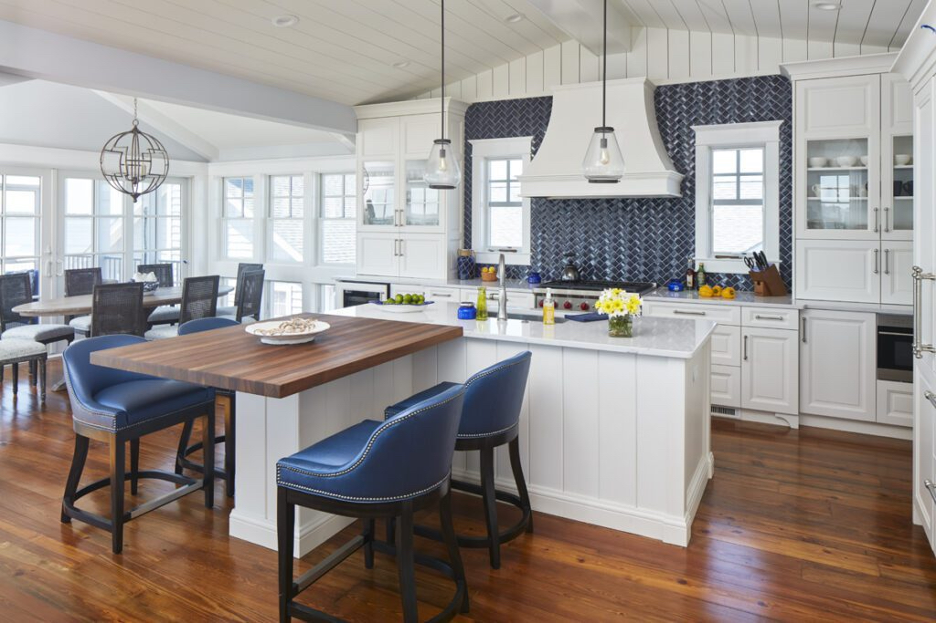
selecting the proper flooring for your beach home kitchen remodel
Photo courtesy of Marnie Custom Homes

Flooring failures are especially common in beach homes. Solid hardwood can swell in humid Southeast and Texas Gulf climates. Porous stone may stain from tracked-in sand and salt. In the Pacific Northwest, persistent moisture demands dimensional stability. Designers often recommend engineered wood, high-quality porcelain tile, or sealed stone rated for wet environments. Slip resistance also matters in properties near docks or pools. Choosing flooring based solely on appearance can lead to cupping, cracking, or costly refinishing. In seasonal Upper East homes closed during winter, temperature swings further stress materials. The right flooring must withstand sand abrasion, humidity, and heavy summer traffic without constant maintenance. Moreover, flooring selection is one of the most important parts of any kitchen remodel.

Underestimating Your Costs
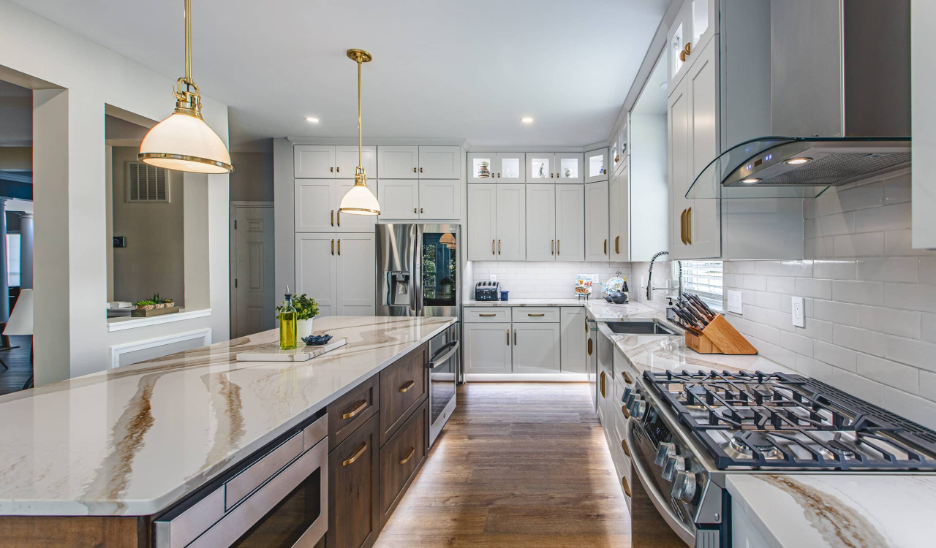
Estimating the costs of your beach home kitchen remodel
Photo courtesy of USA Cabinet Store

Budget miscalculations are universal, but coastal projects add complexity. Freight charges to barrier islands, permit requirements in flood zones, impact-rated windows, and upgraded ventilation systems all increase costs. In California coastal communities, regulatory compliance and environmental standards can further elevate expenses. Designers advise allocating a contingency of at least 15–20 percent, particularly in Gulf Coast and Southeast markets vulnerable to weather delays. Underestimating costs often forces mid-project compromises—downgrading finishes, eliminating lighting layers, or postponing essential infrastructure. A realistic budget protects both design intent and structural integrity. Consequently, careful financial planning ensures your kitchen remodel stays on track.

Failure to Plan Logistics for Deliveries
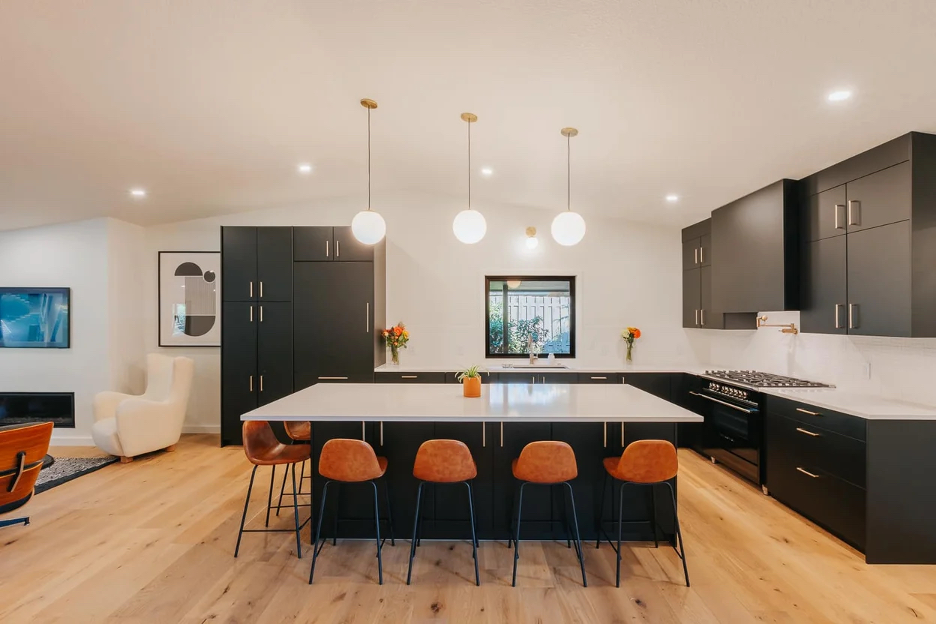
Planning the logistics of your deliveries for kitchen remodel
Photo Courtesy of Lamont Bros. Design & Construction

Logistics are frequently overlooked in coastal remodels. Narrow roads, ferry access, limited staging space, and weather disruptions can complicate deliveries. In the Upper East and Mid-Atlantic, historic districts may impose access restrictions. Gulf Coast and Texas coastal communities may face supply chain interruptions during storm seasons. Appliances, cabinetry, and stone slabs often arrive at different times and require secure, climate-controlled storage. Failing to coordinate delivery schedules can result in damaged materials or costly re-delivery fees. Professional designers sequence orders strategically, ensuring flooring acclimates before installation and cabinetry arrives only after environmental conditions are stabilized.

Installing Cabinets Before Floors
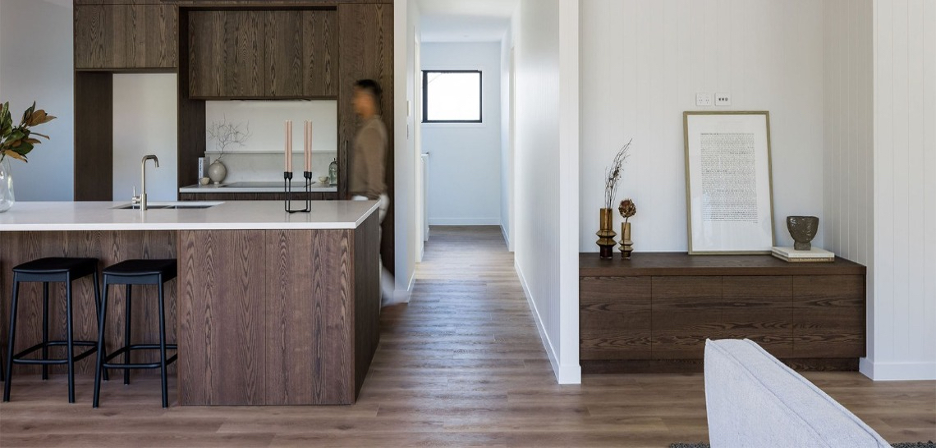
why you need to install floors before cabinets in kitchen remodel
Photo courtesy of Domain Cabinets

Sequencing errors can have lasting structural consequences. Installing cabinets before flooring—particularly floating or engineered flooring—can restrict natural expansion and contraction. In humid Southeast and Gulf Coast environments, this mistake often results in buckling. In the Pacific Northwest, variations in moisture intensify the problem. Designers typically recommend installing flooring first (with exceptions for certain tile or fixed layouts) to allow for proper expansion gaps and a seamless finish. Reversing the order can complicate future renovations and create uneven transitions. Correct sequencing protects both cabinetry alignment and flooring performance.

Respecting the Kitchen Triangle (while adapting to modern design)
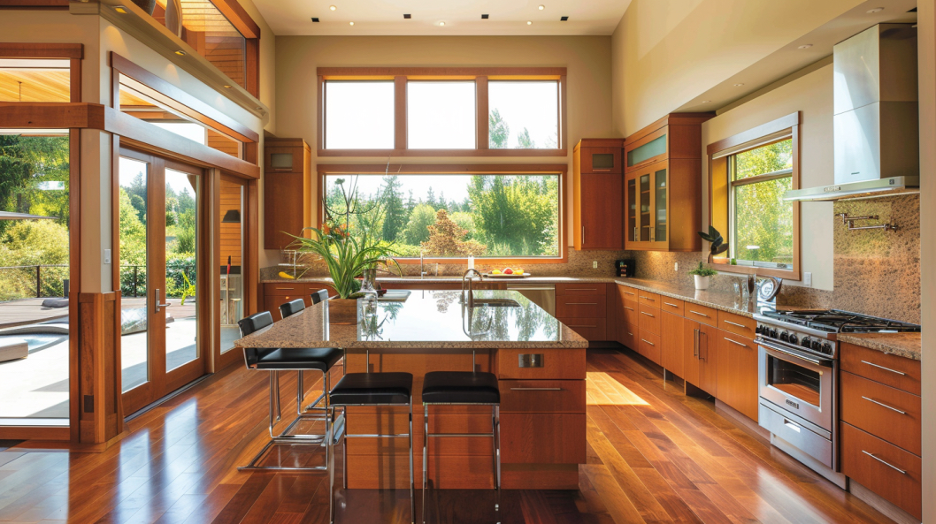
respecting the kitchen triangle while adapting to modern design
Photo courtesy of CabinetsBay

The kitchen work triangle—linking refrigerator, sink, and cooktop—remains relevant even in open-concept coastal homes. Oversized islands popular in California and Gulf Coast properties can unintentionally disrupt circulation. In smaller Upper East cottages, removing walls without redefining zones may create awkward distances between key functions. Designers stress efficient pathways, particularly in homes that host large summer gatherings. Ignoring the triangle leads to congestion, inefficient meal prep, and safety concerns during entertaining. Even contemporary layouts benefit from respecting this foundational principle of kitchen planning.

A well-executed coastal kitchen remodel depends on sequencing, logistics, and environmental awareness as much as aesthetics. From precise electrical planning to disciplined installation order, each decision influences durability and daily function. Coastal homes face unique stressors—salt air, humidity, seasonal use, and regulatory complexity—that demand proactive coordination. By avoiding these seven common mistakes, homeowners across the Upper East, Mid-Atlantic, Southeast, Gulf Coast, Pacific Northwest, and California coastal regions can ensure their kitchens perform as intelligently as they look—supporting both long-term value and effortless living by the water. For more design inspiration, visit Beach Homes Lifestyles.
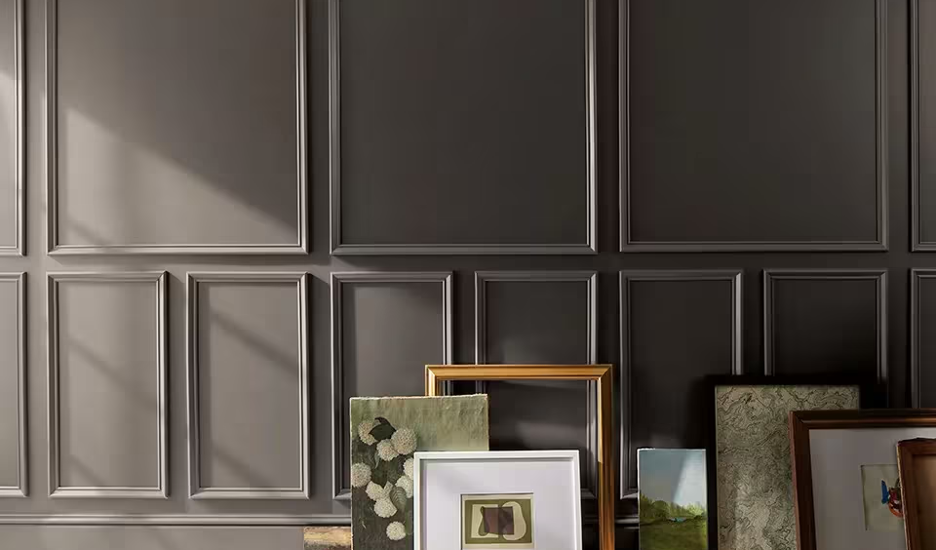
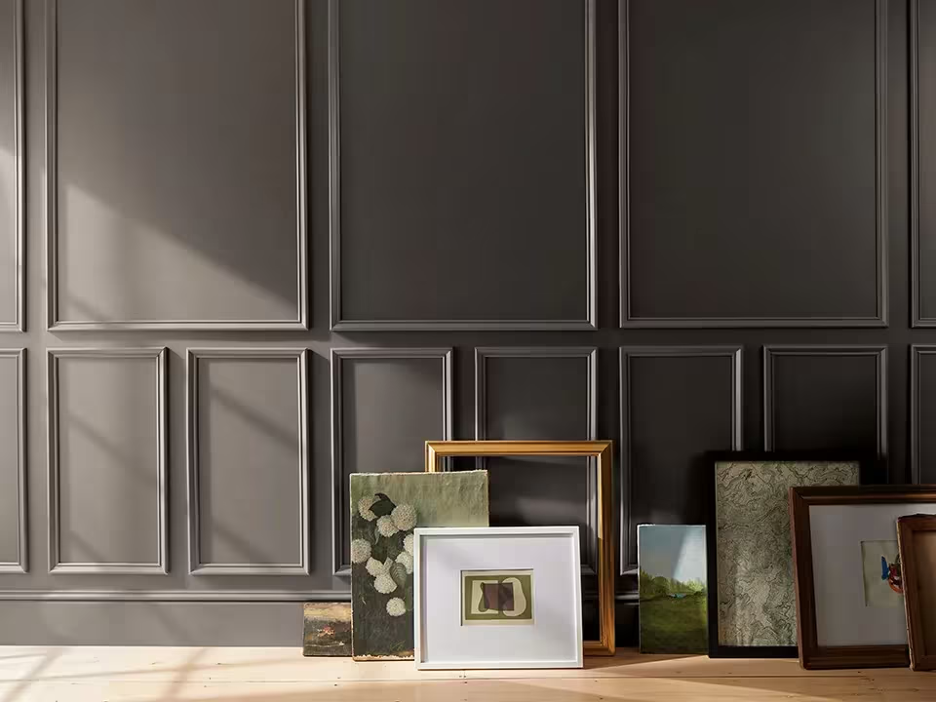
Seaside Silhouette: Benjamin Moore’s Color of the Year 2026, Silhouette AF-655, Provides an Anchor for Soft Ocean Hues

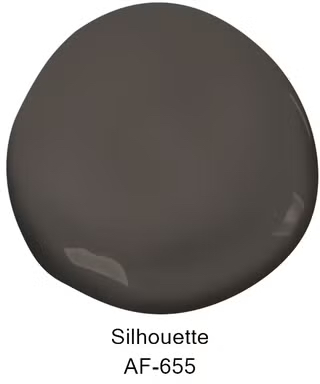
Benjamin Moore’s Color of the Year 2026, Silhouette AF-655
Photo courtesy of Benjamin Moore

Positioned between charcoal and warm stone, Benjamin Moore’s Color of the Year 2026, Silhouette AF-655, presents a refined midtone with an architectural sensibility. The sophisticated yet approachable hue speaks to a growing desire for calm authority in residential design—particularly in coastal homes where light, landscape, and longevity matter. It offers presence without heaviness. Furthermore, it offers depth without drama. For beach and coastal homeowners across the U.S., this makes it an especially compelling choice—a color that can hold its own against the brightness of salt air, expansive glazing, and shifting coastal light.

Palette Anchor

Benjamin Moore’s Color of the Year 2026, Silhouette AF-655 applied to living room space
Photos courtesy of Benjamin Moore

Silhouette was selected for its ability to anchor Benjamin Moore’s Color Trends 2026 palette, a collection that emphasizes enchanting pales and handsome midtones over fleeting statements. The palette signals a return to timeless classics and thoughtful attention to detail—an approach well aligned with coastal homes designed to age gracefully rather than chase novelty. Silhouette functions as a stabilizing force within this mix. It enhances ethereally lifted hues such as soft sands, pale driftwood, and misted blues. Additionally, it harmonizes with deeply grounded shades drawn from rock, bark, and shadow.

Dollop of Benjamin Moore’s Color of the Year 2026, Silhouette AF-655

Across regions—from the traditional coastal homes of the Upper East to the relaxed modernism of California—Silhouette adapts with ease. Its versatility allows it to feel tailored, regional, and enduring, whether used as a foundation color or a strategic accent. Below you’ll find inspiration for nearly every space in your beachside home.

Entrance Foyer — A Grounded Arrival

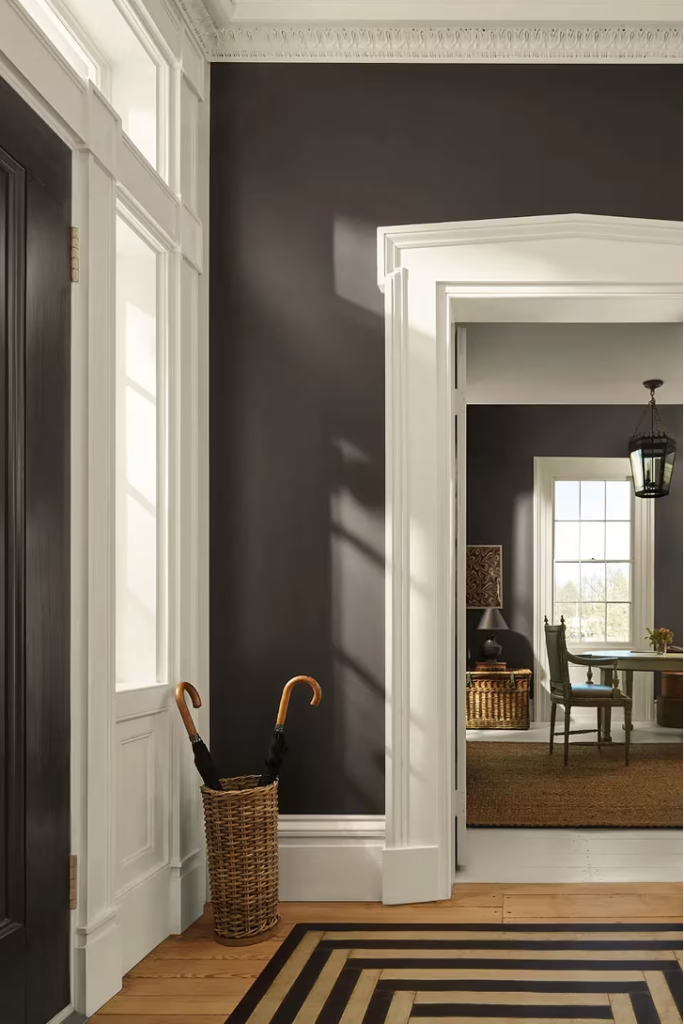
Entrance Foyer — A Grounded Arrival painted in Benjamin Moore’s Color of the Year 2026, Silhouette AF-655
Photo courtesy of Benjamin Moore

In an entryway, Silhouette AF-655 establishes an immediate sense of composure. In Upper East and Mid-Atlantic coastal homes, it works particularly well on paneled walls, stair hall millwork, or a statement front door. It should be paired with pale trim from the 2026 palette to maintain lightness. In California coastal entries, Silhouette can anchor more minimal spaces, offsetting plaster walls, limestone floors, and sculptural lighting. Across regions, complementary midtones introduced through stone tile, woven runners, or natural wood consoles reinforce a sense of quiet intention.

Living Room — Anchored Ease by the Water

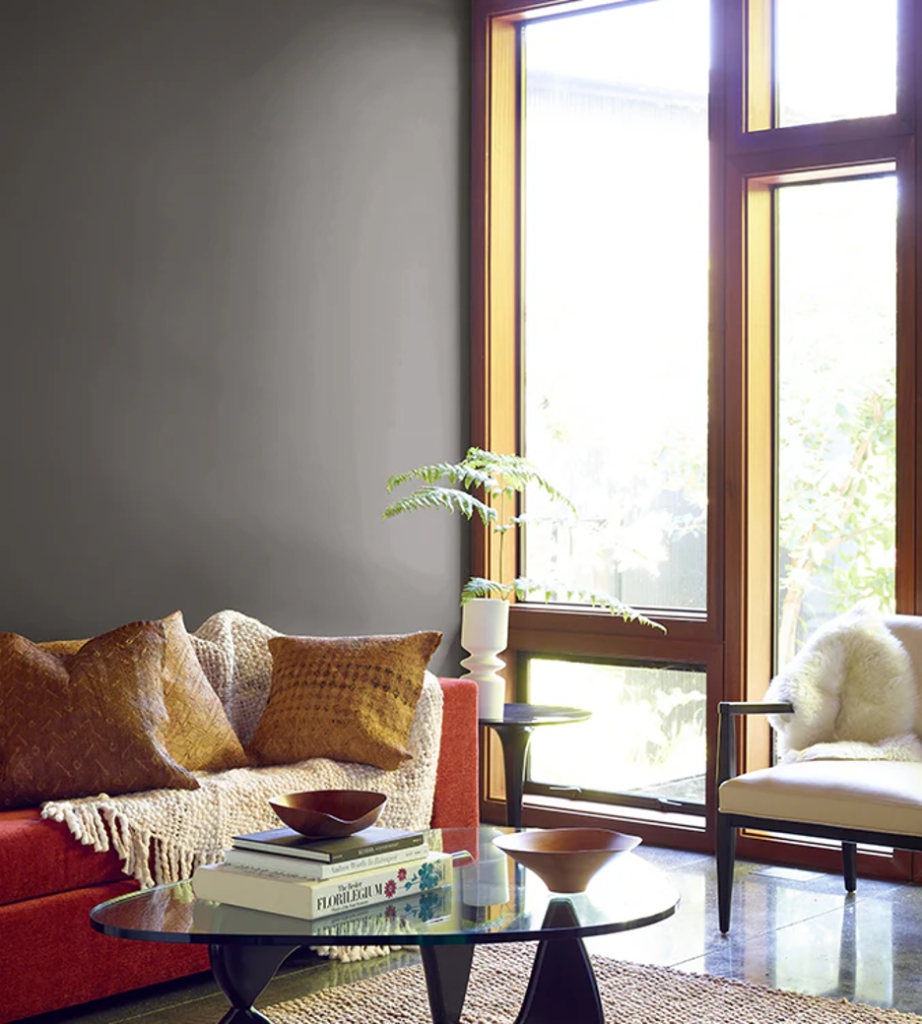
Living room painted in Benjamin Moore’s Color of the Year 2026, Silhouette AF-655
Photo courtesy of Colorxs

Living rooms benefit from Silhouette’s ability to respond to changing daylight. In the Pacific Northwest, where light is often diffused, the color feels especially rich on full walls or built-ins, layered with pale textiles and tactile materials. Along the Southeast and Texas Gulf, Silhouette works well as an accent—on a fireplace surround or shelving—balancing brighter sun exposure and expansive views. Pair it with enchanting pale hues and relaxed upholstery to maintain an atmosphere that feels open yet grounded.

Dining Space — Quiet Contrast for Coastal Gathering

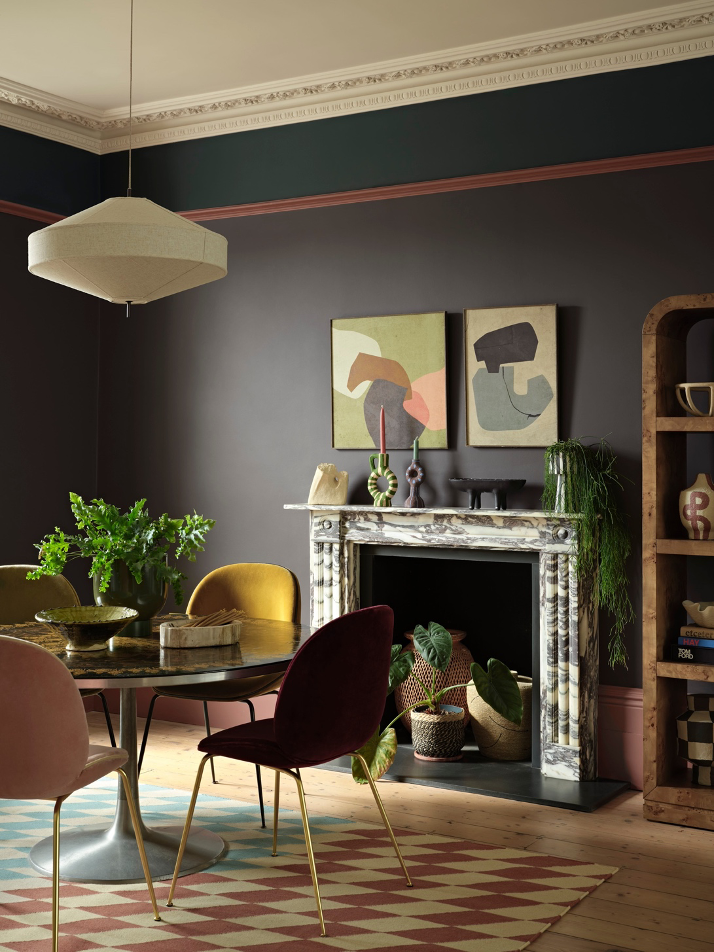
dining room painted in Benjamin Moore’s Color of the Year 2026, Silhouette AF-655
Photo courtesy of Benjamin Moore / Max Attenborough via House Beautiful

In dining spaces, Silhouette introduces intimacy without formality. Mid-Atlantic and Upper East homes can lean into its classic undertones, pairing it with traditional millwork, aged brass, and dark wood tables. In the California and Texas Gulf regions, Silhouette is effective on cabinetry or as a backdrop to lighter furnishings. This allows subtle contrast to define the space. Layer in complementary midtones through ceramics, art, or upholstered seating to echo the palette’s balanced restraint.

Kitchen — A Composed Coastal Workhorse

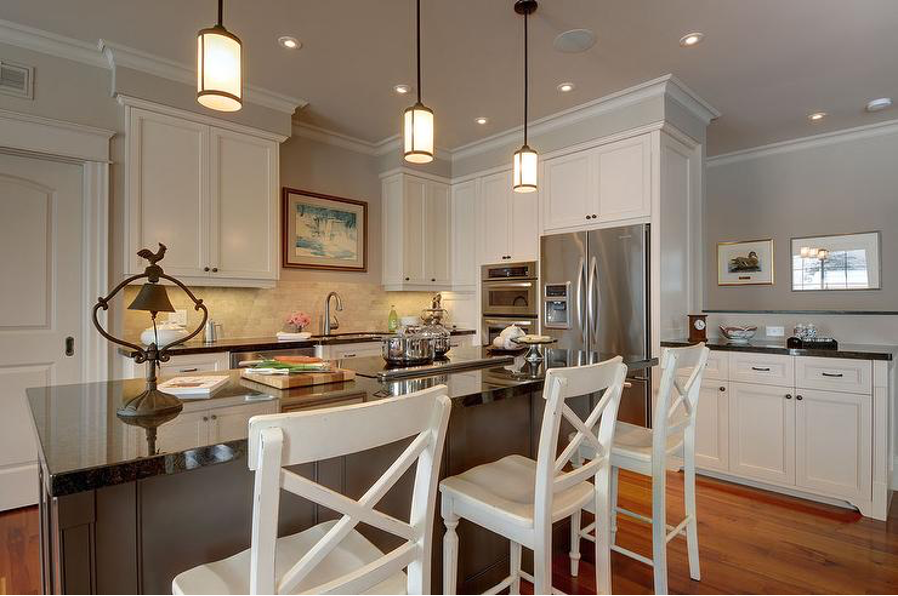
kitchen island painted in Benjamin Moore’s Color of the Year 2026, Silhouette AF-655
Photo courtesy designer Lejla Eden, Décor Pad

Silhouette AF-655 excels in kitchens where contrast is essential, but trends are fleeting. In Southeast and Gulf Coast homes, it performs beautifully on islands or lower cabinetry, grounding rooms dominated by pale counters and reflective surfaces. In the Pacific Northwest, Silhouette pairs naturally with natural wood shelving and matte hardware. This reinforces a craft-forward sensibility. Across regions, enchanting pale countertops and softly veined stone prevent the space from feeling heavy, keeping the kitchen timeless and functional. This cozy seaside kitchen anchors the island with Benjamin Moore’s Silhouette AF-655.

Bedroom — A Restful Study in Depth

bedroom painted in Benjamin Moore’s Color of the Year 2026, Silhouette AF-655
Photo courtesy of Wild Fox Painting

Bedrooms are where Silhouette’s quieter side emerges. In Upper East and Pacific Northwest coastal homes, it creates a cocooning effect when used on a headboard wall or throughout the room, particularly effective in fog-prone or wooded settings. Balance it with lighter bedding, sheer window treatments, and pale companion colors. In California coastal bedrooms, Silhouette is often best used sparingly—on built-ins or trim—anchoring palettes of sun-washed neutrals and soft pastels.

Serene Bathroom — Refined Drama in Small Doses

bathroom painted in a First Crush CSP-310, a complementary shade and part of the palette for Benjamin Moore’s Color of the Year 2026, Silhouette AF-655.
Photo courtesy of Benjamin Moore

With a focus on serenity, this bathroom is bathed in a complementary shade from Benjamin Moore’s Silhouette pallette called First Crush CSP-310. For all-over applications, Silhouette thrives in bathrooms and powder rooms where detail carries weight. In Mid-Atlantic and Upper East homes, it enhances traditional fixtures and stone finishes with understated drama. Southeast and Texas Gulf bathrooms benefit from its ability to temper glossy tile and reflective surfaces. Paired with unlacquered brass, polished nickel, or natural stone, Silhouette feels tailored rather than theatrical. This happens especially when balanced with lighter hues from the 2026 palette.

Indoor/Outdoor Living — Where Structure Meets Salt Air

Indoor/outdoor living space painted in Benjamin Moore’s Color of the Year 2026, Silhouette AF-655
Photo courtesy of Barrydowne Paint

Though primarily an interior color, Silhouette translates seamlessly to covered outdoor spaces. On ceilings, built-in cabinetry, or exterior doors, it provides contrast against weathered wood and pale masonry. In California and Texas Gulf regions, it grounds indoor-outdoor living zones that blur boundaries. In the Pacific Northwest, it complements darker siding and natural surroundings, reinforcing a connection between architecture and landscape.

Silhouette AF-655 reflects Benjamin Moore’s Color Trends 2026 vision with clarity and restraint. Its strength lies in adaptability—across regions, architectural styles, and degrees of coastal exposure. Whether anchoring a palette of ethereal pales or complementing deeper, grounded tones, Silhouette supports a layered and enduring approach to design. For coastal homeowners seeking longevity over novelty, it offers a color story that feels considered, regional, and quietly confident—well-suited to homes shaped by water, weather, and time. From all of us at Beach Homes Lifestyles—may your 2026 reveal a grounded and peaceful sense of renewal.

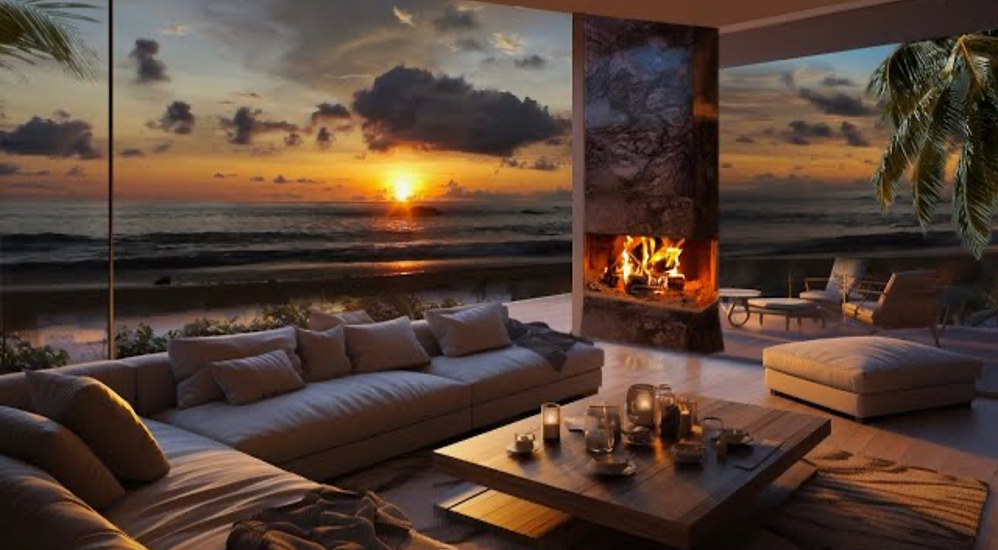
Fireside Vibes: Cozy up your coastal style with an outdoor fireplace.

dreamy seaside covered loggia with outdoor fireplace, lounge furniture, and ocean waves in the background
Photo Courtesy of YouTube

An outdoor fireplace is one of the smartest upgrades you can make to a beach property—extending your time outside from chilly mornings to breezy evenings. It also adds serious curb appeal. Whether you’re in the market for a full-scale gas fireplace under a loggia or just want to roast marshmallows in the backyard, there’s a coastal-friendly option at every price point. Portable fire pits like the Solo Stove Firepit Collection offer a clean, nearly smokeless burn. These are perfect for decks and patios. An outdoor fireplace, whether portable or permanent, offers a cozy setting for relaxation. For a more permanent setup, the Oldcastle Hudson Stone Fire Pit Kit from Home Depot is a solid DIY project with a classic look.

Wood-burning adds ambiance, while gas offers cleaner flames and less maintenance—especially in covered or high-wind areas. An outdoor fireplace made from materials like stucco, tile, and natural stone holds up well in salty air. Coastal temps can range from frigid to balmy. Therefore, a fireplace helps turn patios, rooftops, and gardens into year-round gathering spaces. Below are seven regionally inspired ideas to bring warmth, style, and value to your outdoor living.

Gas Outdoor Fireplace Under a Covered Loggia (California Coast)

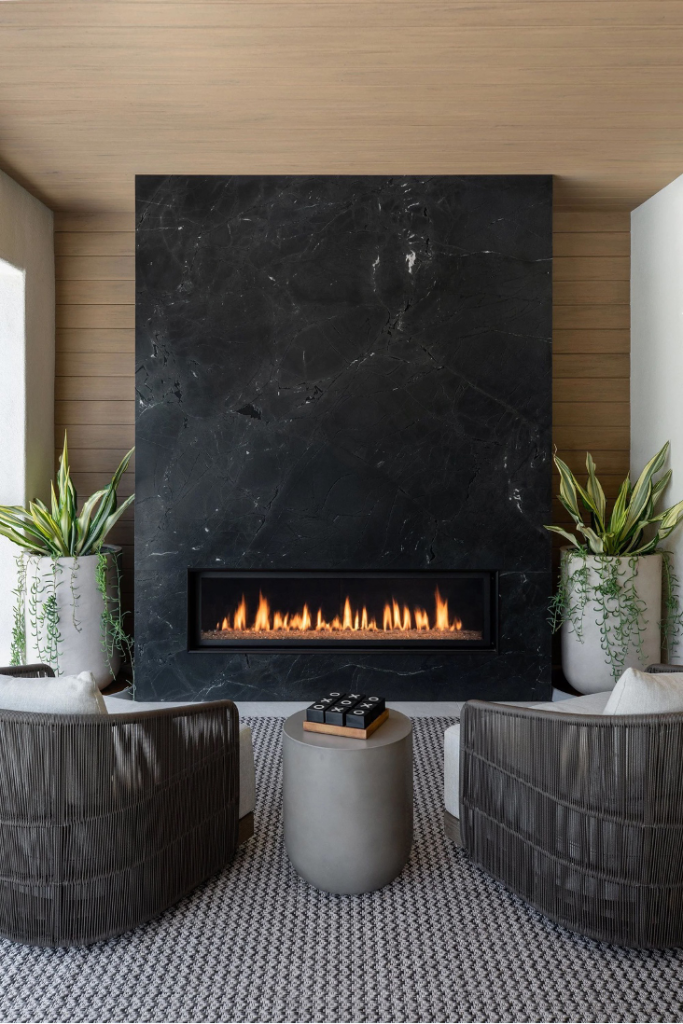
Gas Outdoor Fireplace Under a Covered Loggia (California Coast) black stone linear fireplace design with potted plants and outdoor seating
Photo courtesy of Jenny Siegwart via Brian Brown Studio

Along the California coast, where Mediterranean architecture and temperate evenings prevail, a gas fireplace seamlessly integrated under a covered loggia encourages year-round use. A sleek, rectangular firebox with a linear frame—perhaps encased in dramatic black stone or smooth concrete—pairs beautifully with stucco walls, arched openings, and wrought-iron accents. This setup supports effortless indoor-outdoor flow. Additionally, it is ideal for properties in Carmel-by-the-Sea or Santa Barbara. Gas is the safest and most convenient option for covered structures. It minimizes smoke exposure in protected spaces.

Meditative Fireplace in a Garden Nook (Pacific Northwest)

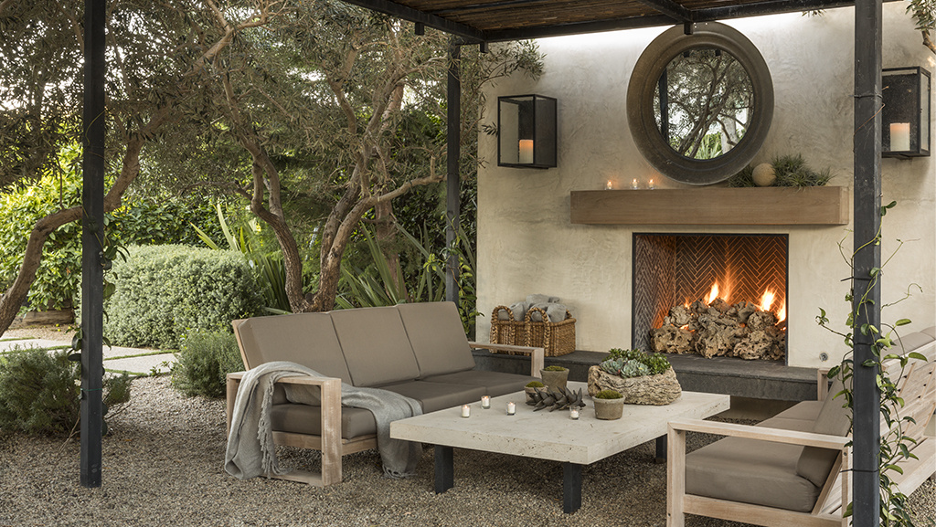
Meditative fireplace in a Garden Nook (Pacific Northwest) underneath a pergola with stone fireplace wall, rustic wood mantel, lantern sconces, and lounge seating with pavers and pea gravel
Photo courtesy of Lisa Romerein/OTTO via Monrovia

For coastal homes in the Pacific Northwest—such as those near Cannon Beach or the San Juan Islands—a meditative fire space tucked into the landscape makes the most of cool, misty evenings. A steel or stone fire pit or a fireplace wall surrounded by pea gravel, mossy boulders, and native ferns sets a quiet, grounding tone. Curved stone benches or teak chairs with wool throws encourage reflection. This setting benefits from wood-burning for authenticity or propane for ease. The space can be integrated into a larger rain garden or woodland path for added tranquility.

Stucco Wood-Burning Fireplace with Terra-Cotta Accents (SoCal)

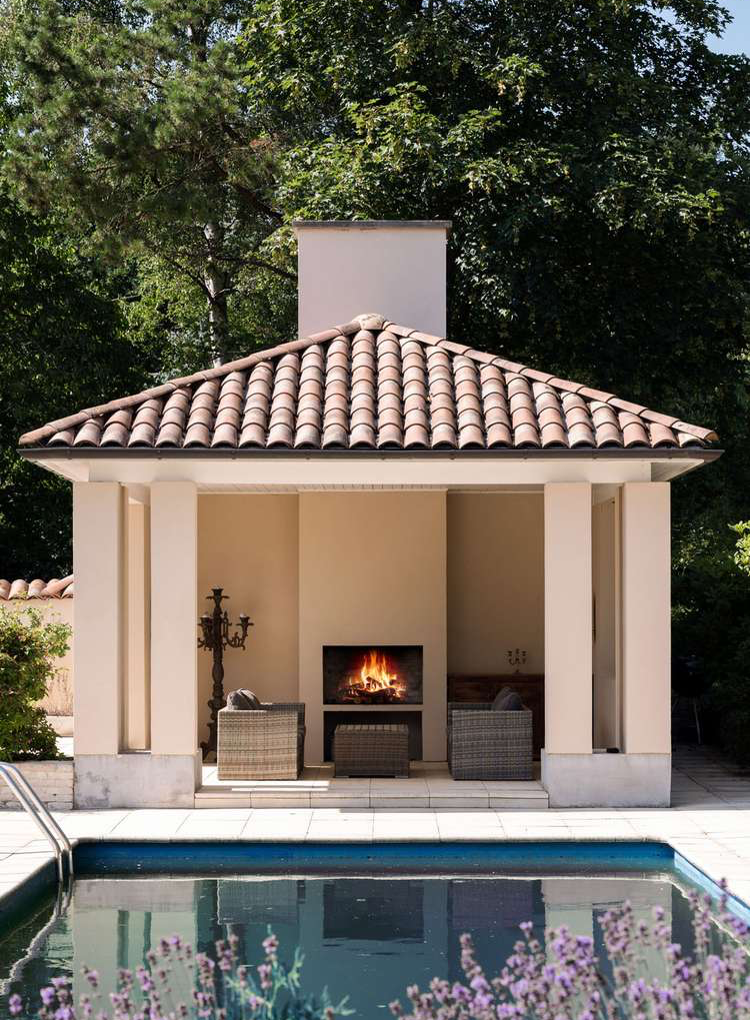
Stucco Wood-Burning Fireplace with Terra-Cotta roof Accents (SoCal) for a pool pavilion with stone pavers, outdoor seating, Spanish-style candelabras, landscaping with lavender flowering in foreground by pool

Photo courtesy of Fantastic Frank via The Spruce

In Southern California’s coastal enclaves, a Mediterranean-style outdoor fireplace in a courtyard or along a rear garden wall creates visual warmth and architectural cohesion. Think hand-troweled stucco, terra-cotta tile accents, and a tall chimney flanked by lavender or rosemary hedges. Wood-burning works beautifully here due to drier evenings and fewer restrictions in many neighborhoods. This type of fireplace suits Spanish Revival or Mission-style homes in places like Laguna Beach or Palos Verdes.

Fire and Water Pairing for Poolside Impact (Southeast Coast)

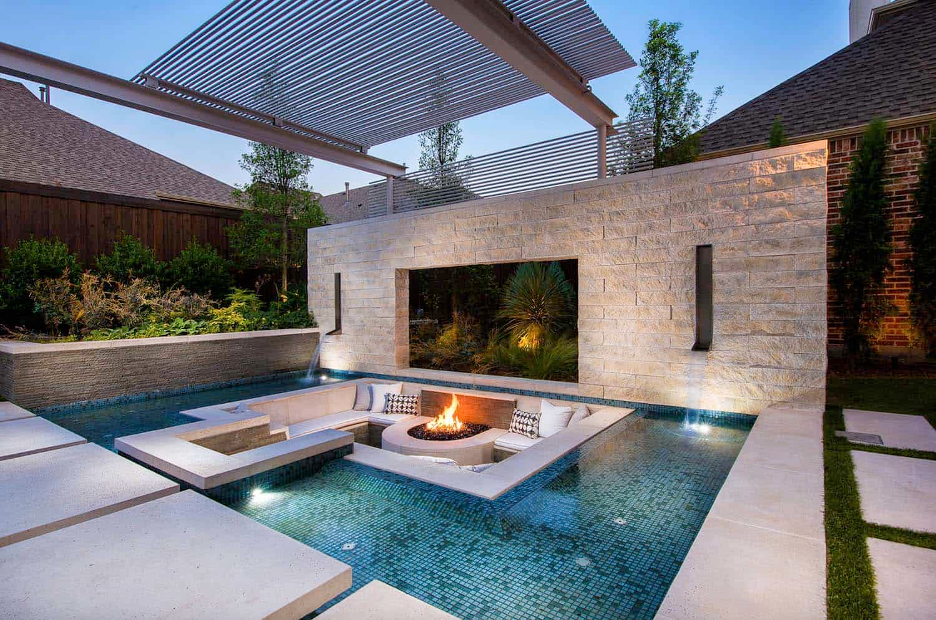
Fire and Water Pairing for Poolside Impact (Southeast Coast) Sunken firepit and lounge area implemented within the pool waters with a stone wall flanked with waterfall sconces
Photo Courtesy of One Kindesign

For homes in the Gulf and the Southeast—think Texas, Florida, Charleston, Savannah, and the Carolina barrier islands—a fire-and-water design turns a pool patio into a resort-inspired gathering zone. Fabricate a sunken firepit / lounge area right into your pool or incorporate a low-profile fire bowl atop a raised water wall, where fire flickers above a gentle cascade. This magical pairing provides both drama and tranquility, particularly when accented by lush palms, travertine decking, and coastal breeze. Gas-burning elements are ideal here due to humidity and HOA regulations.

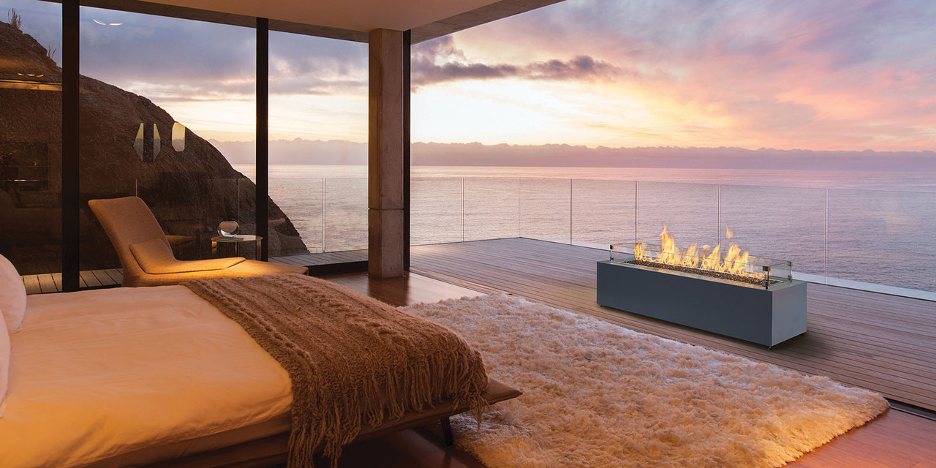
Ocean View Fireplace on a Rooftop or Deck (Mid-Atlantic Coast)

Ocean View Fireplace on a Rooftop bedroom Deck (Mid-Atlantic Coast) backdropped by transparent deck railing
Photo courtesy of AMS Fireplace, Inc.

Maximizing ocean views is essential in any coastal environment and especially captivating in the Mid-Atlantic—think charming towns like Cape May, Rehoboth Beach, or the Outer Banks. A streamlined gas or ethanol fireplace integrated into a glass-railed rooftop or cantilevered deck allows for unobstructed vistas and warm ambiance after sunset. Use wind-resistant materials such as powder-coated steel or concrete, and orient seating for both comfort and view. Minimalist modern styles work well here, especially on contemporary coastal homes.

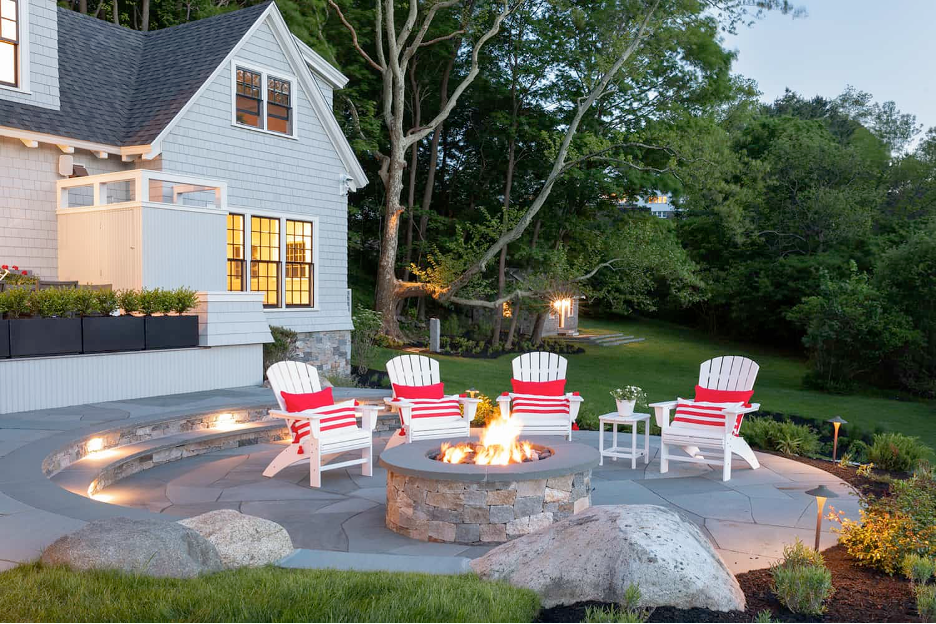
Rustic Stone Firepit with an Adirondack Vibe (Northeast Coast)

Rustic Stone Firepit with an Adirondack Vibe (Northeast Coast) for a sprawling shingled Cape Cod-style house in Massachusetts. White adirondack chairs dressed with red and white striped pillows
Photo courtesy of OneKindesign

In the Northeast—think Cape Cod, the Hamptons, and Maine—an Adirondack-inspired outdoor firepit or fireplace made of rugged fieldstone or bluestone complements shingled homes and wooded beachscapes. A dedicated space flanked by Adirondack chairs, woven throws, and lantern lighting creates an inviting, almost campfire-style gathering space. Wood-burning fireplaces fit the rustic tone, but a gas insert can provide easier upkeep in salt-heavy air. This design resonates with properties where tradition and craftsmanship matter.

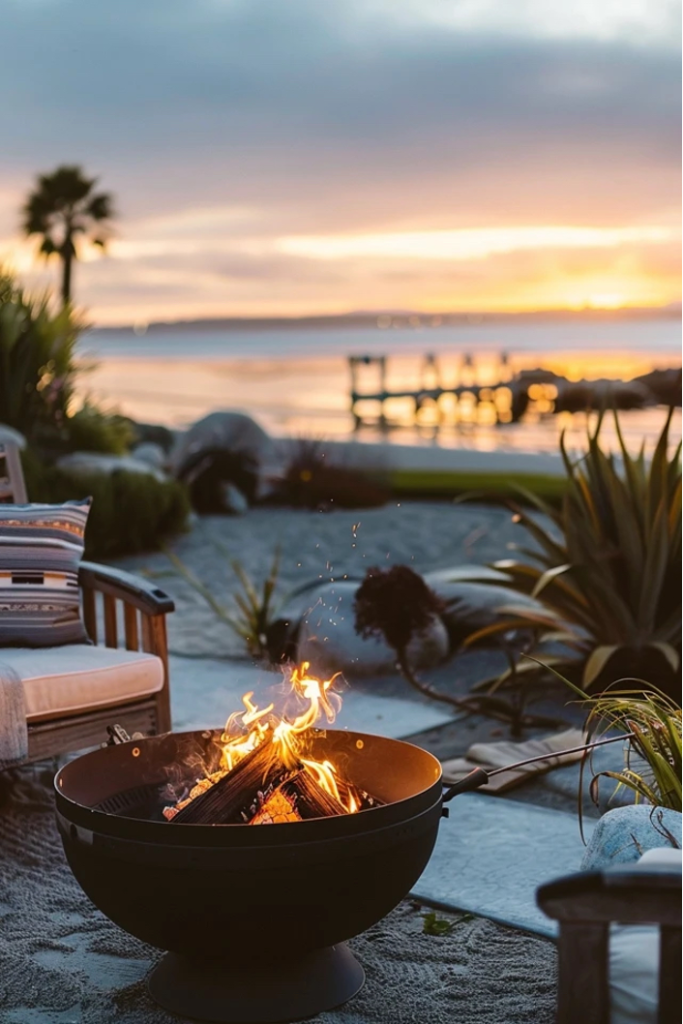
Simple Tropical Fire Pit by the Beach (Gulf Coast and Texas)

Simple Tropical Fire Pit by the Beach (Gulf Coast and Texas) in a sandy backyard with tropical foliage, palm trees, and ocean at sunset
Photo courtesy of Maison Lyle Interior Design

Space constraints don’t limit ambiance. On the Gulf Coast—whether in Galveston, Orange Beach, or the Florida panhandle—a compact fire pit with a tropical vibe is perfect for casual evenings. A circle of Adirondack or rattan chairs around a weather-resistant fire bowl (concrete, stone, or ceramic) creates a relaxed setting for roasting marshmallows under swaying palms. Add citronella torches, string lights, and native grasses for atmosphere. This low-cost, DIY-friendly setup is ideal for lawn spaces or sandy backyards.

Adding an outdoor fireplace to your coastal property is more than an aesthetic upgrade—it is a lifestyle investment that transforms underused exterior areas into year-round retreats. Whether it’s a sleek loggia fireplace in California, a stone hearth in New England, or a breezy fire pit on the Gulf, each design can be tailored to regional aesthetics and climate. By choosing the right materials, fuel source, and location, homeowners can maximize both enjoyment and property value—one cozy flame at a time. For more inspired ideas to live your best beach life, visit Beach Homes Lifestyles.

Green Envy: Amp up your beach meals with the power of spinach—one of the garden’s most versatile veggies.

Fresh and vibrant green wilted spinach salad in a bowl with a fork
Photo Courtesy of Inspired Taste

For those who make their homes along the coast, seasonal changes often feel subtle—the water stays inviting, the seafood remains abundant, and the markets brim with fresh produce. Yet even in beach regions, late summer and early fall mark a culinary shift. Tomatoes, berries, and herbs linger from warm weather, while squash, root vegetables, and heartier greens begin to make their presence known. Spinach is the ideal bridge between these seasons. Eaten raw, it’s crisp, grassy, and lightly sweet. When sautéed or baked, it softens into a rich and earthy complement for more substantial ingredients. Beyond taste, it brings an impressive nutrient profile, including iron, vitamin K, folate, and fiber. These nutrients fuel active lifestyles by the shore.

Spinach’s versatility allows it to transition seamlessly between quick salads, comforting baked dishes, protein-rich bowls, and vibrant appetizers. It easily absorbs flavors of garlic, citrus, spices, or cheeses, and balances rich or sweet ingredients like roasted squash, berries, or salmon. Whether you live on the Upper East Coast, Mid-Atlantic, Gulf Coast, Pacific Northwest, or the California coast, spinach adapts to your local seafood, produce, and herbs. Below are seven innovative recipes that highlight how spinach shines in seasonal, modern dishes that suit coastal kitchens.

Blueberry Spinach Salad with Candied Pecans and Blue Cheese

Blueberry Spinach Salad with Candied Pecans and Blue Cheese on a white oval platter with vinaigrette serving pitcher on the side
Photo courtesy of Sarah Tramonte via Taste of Home

Fresh spinach serves as a mineral-rich base for sweet blueberries, creamy blue cheese, and crunchy candied pecans, all tossed in a tangy Dijon vinaigrette. This salad takes just 10 minutes to prepare, yet feels sophisticated with contrasting flavors and textures in every bite. It pairs beautifully with grilled seafood such as shrimp or scallops. In Northern California, consider swapping in local goat cheese and walnuts. On the Gulf Coast, add citrus slices or tropical fruit for an extra burst of brightness. Get the recipe here.

Moroccan-Style Chickpea, Carrot, and Spinach Soup

Moroccan-Style Chickpea, Carrot, and Spinach Soup in bowls with spoons on a black table with ramekins of ground spices
Photo Courtesy of Food & Wine

Chickpeas, sliced carrots, and tender spinach come together in a fragrant broth spiced with cumin, coriander, and cinnamon. This soup boasts layers of flavor. It has warmth from the spices, sweetness from the carrots, and a leafy depth from the spinach. Ready in about 45 minutes, it’s hearty without being heavy. This makes it perfect for cooler nights that still carry the scent of ocean breezes. Serve with warm flatbread or crusty sourdough. In the Pacific Northwest, it pairs well with earthy mushrooms or even a hint of smoked salmon for local flair. Get the recipe here.

Spinach and Feta White Pizza

Spinach and Feta White Pizza on a baking sheet, cut into squares with a pizza cutter in background
Photo courtesy of Cozy Cravings

Spinach, garlic, feta, and mozzarella baked on a thin crust create a dish that is both elegant and unfussy. The feta adds tang and salt. Garlic offers savory depth, and spinach balances with light bitterness that mellows as it bakes. Total preparation and cooking time is about 25 minutes, making it an easy appetizer for entertaining. Serve with a dipping sauce such as tzatziki or lemon-garlic yogurt. On the Upper East Coast, pair it with oysters or steamed clams for a seaside-inspired spread. Get the recipe here.

Vegetarian Skillet Stuffed Shells

Vegetarian Skillet Stuffed Shells that are stuffed with ricotta cheese and spinach, and baking in a tomato-based sauce
Photo courtesy of Chelsea Kyle via Epicurious

Jumbo pasta shells are filled with a mixture of spinach and ricotta, topped with marinara sauce and Parmesan, and baked until bubbly and golden. The result is deeply comforting. It highlights tangy tomato sauce, creamy ricotta filling, crimini mushrooms, and earthy greens. With about 20 minutes of prep and 45 minutes of baking, it’s a satisfying weeknight meal or a crowd-pleasing weekend dish. Serve with garlic bread and a green salad. Along the Gulf Coast, fold in spicy shrimp or crabmeat for a local twist. Meanwhile, in California, garnish with fresh herbs and a drizzle of olive oil. Get the recipe here.

Glazed Salmon Rice Bowl Over Spinach

Glazed Salmon Rice Bowl Over Spinach and topped with green onions and black sesame seeds served on a white plate with chopsticks
Photo courtesy of What the Fork’s For Dinner

Baked salmon glazed with soy sauce, maple syrup, and lime juice takes center stage in this one-bowl meal. It’s served over rice with sauteed spinach, green onions, and sesame seeds. The flavor balance is irresistible. The spicy-sweet glaze, succulent salmon cooked to perfection, and earthy spinach greens are a delight. Preparation takes approximately 20 minutes, with an additional 20 minutes for cooking and assembling. A crisp slaw or edamame makes a perfect side. Along California’s coastlines, add citrus zest or fresh basil for a regional accent. Alternatively, use sustainably sourced salmon to showcase local priorities. Get the recipe here.

Baked Feta Pasta with Spinach and Tomatoes

Baked Feta Pasta with Spinach and Tomatoes topped with fresh basil served in a bowl with a fork
Photo courtesy of Gimme Some Oven

This modern favorite starts by roasting cherry tomatoes with a block of feta until they collapse into a creamy, tangy sauce. Once baked, fresh spinach is added along with cooked pasta, creating a dish that is both comforting and vibrant. Prep takes about 15 minutes, and the oven does the rest in 35 minutes. Its flavor profile balances sweet and acidic tomatoes with salty cheese and earthy greens. Pair with focaccia or a leafy green salad. In Mid-Atlantic kitchens, where seasonal tomatoes abound, this dish feels perfectly at home alongside steamed crab or fresh corn. Get the recipe here.

Butternut Squash and Creamed-Spinach Gratin

Butternut Squash and Creamed-Spinach Gratin in a baking dish atop a marble surface
Photo courtesy of Chelsea Kyle via Epicurious

This baked gratin layers roasted butternut squash with gently cooked spinach in a cream sauce infused with garlic, nutmeg, and Parmesan. Thus, resulting in a dish that feels indulgent yet grounded. The squash lends sweetness, while the spinach contributes an earthy, green note. The cheese ties it all together into a golden, bubbling bake. Preparation takes approximately 30 minutes, with an additional 45 minutes of baking time. To balance the richness, serve something bright, such as a citrusy slaw, pickled vegetables, or a light seafood starter. Along the Southeast and Gulf Coast, cornbread or grilled shrimp turn this into a complete seasonal meal. Get the recipe here.

For beach-region kitchens, where meals often celebrate local seafood and seasonal abundance, spinach is an anchor ingredient worth keeping on hand. It harmonizes with both the brightness of summer and the depth of autumn, and offers nutrition that sustains active coastal lifestyles. These recipes invite you to experiment with flavors from your region and build meals that are fresh, satisfying, and unmistakably your own. For more inspired recipe ideas to live your best beach life, visit Beach Homes Lifestyles.

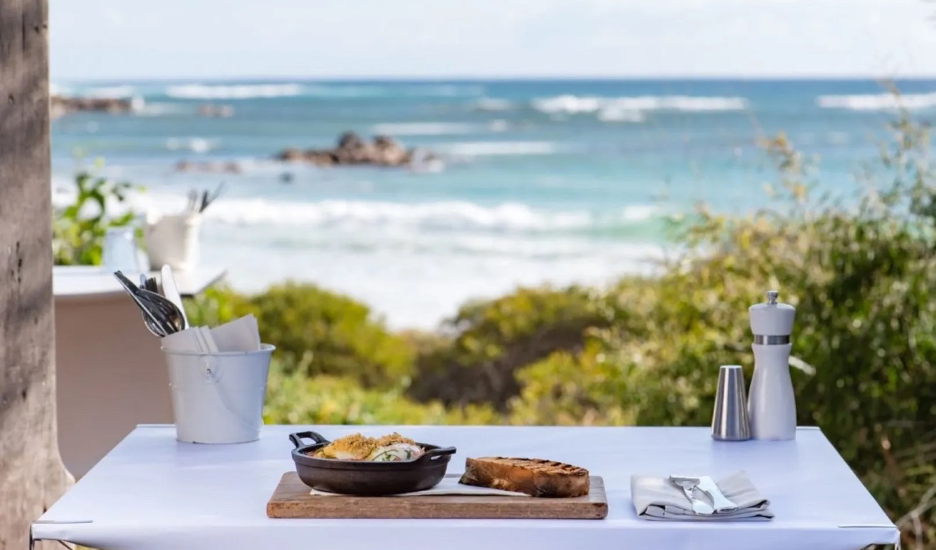
Seas the Day: If Labor Day brunch is on your agenda, here’s some recipe inspo.

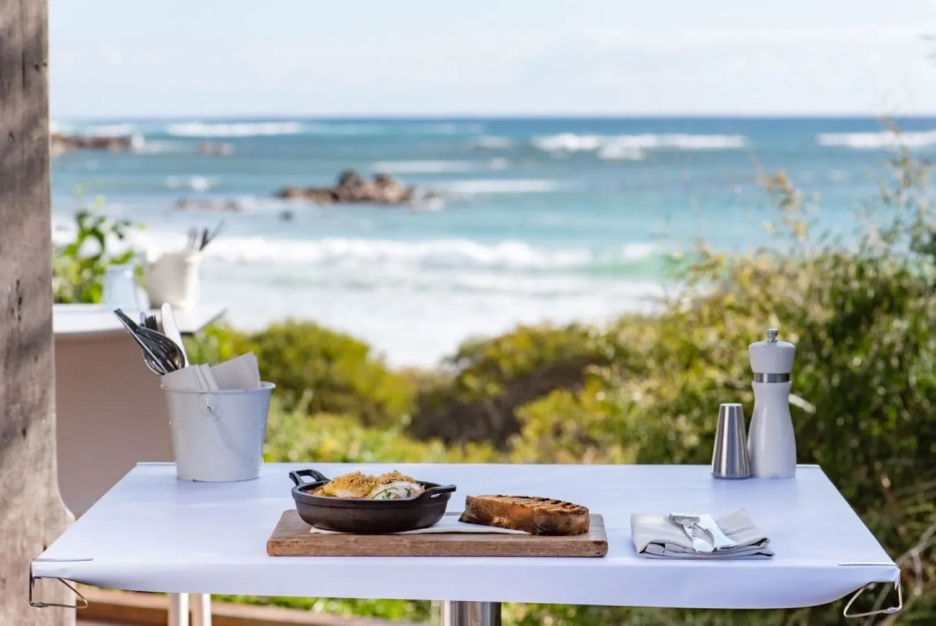
Photo Courtesy of Margaret River Region

Labor Day at the beach calls for a brunch that’s relaxed but elevated—something that celebrates the coastal setting without commandeering your morning. Move beyond usual scrambled eggs or bacon with a lineup of smart, flavorful dishes you can prep ahead, each inspired by a different stretch of shore. These seven recipes span sweet and savory, elegant and approachable, seafood-rich and kid-tested. Every recipe links to a modern, trusted source so you can cook with confidence.

Corn & Lobster Fritters

Corn and Lobster Fritters on a white plate with a side of remoulade
Photo courtesy of Dorothy Lane Market

Channel the charm of New England with fritters that combine diced lobster, sweet corn, and scallions in a batter spiced with Old Bay—all pan-seared to golden perfection. Ready in under 30 minutes, these fritters stay crisp and pair beautifully with remoulade or Sriracha mayo. They work as a casual finger food or part of a larger brunch spread. The rich seafood flavor, subtle spice, and bright corn kernels create a balance that feels both indulgent and approachable. For the recipe, visit Dorothy Lane Market.

Lemon Cornmeal Scones

Lemon Cornmeal Scones drizzled with white icing cut into triangles on a white surface with a spoon covered in icing
Photo courtesy of Eva Kolenko via Epicurious

These scones bring Mid-Atlantic sunshine with their bright lemon zest and rustic cornmeal crunch. Ready in under an hour, they emerge golden and tender with a zingy glaze. Serve alongside honey butter, whipped cream, and fresh melon for a light, sweet counterpoint to richer brunch dishes. For the recipe, visit Epicurious.

Grilled Peach & Arugula Salad with Prosciutto

Grilled Peach & Arugula Salad with Prosciutto on a white platter with wooden serving spoons
Photo courtesy of Caitlin Bensel via Southern Living

Nothing captures late-summer charm like grilled peaches paired with salty prosciutto over peppery arugula, topped with feta, toasted pecans, and a balsamic drizzle. In under 15 minutes, you get sweet, savory, nutty, and bitter notes all in one refreshing dish. It’s lovely with crusty bread and goat cheese and adds brightness to a brunch lineup. For the recipe, visit Southern Living.

Citrus-Dill Gravlax 

Citrus-Dill Gravlax on a platter with dill garnish and a side of capers
Photo Courtesy of Epicurious

Infuse your brunch with Gulf Coast zest using gravlax cured with dill, citrus zest, salt, and sugar. After 36–48 hours, the salmon is silky and infused with bright, herbal notes—perfect over bagels with cream cheese, capers, cucumber ribbons, and red onion. This make-ahead staple gives your spread a refined, fresh element with minimal morning prep. For the recipe, visit Epicurious.

Wild Mushroom, Leek, & Gruyère Quiche

Wild Mushroom, Leek, & Gruyère Quiche in a white fluted baking dish
Photo courtesy of Suzanne Spiegoski

Bring the Pacific Northwest’s earthy flavors to your table with this rich, savory quiche—featuring earthy mushrooms, tender leeks, and nutty Gruyère. Ideal for leisurely brunches, it’s both elegant and easy to execute. Nestled in a buttery deep-dish crust and baked to a golden finish, it’s a dish that feels special without being fussy—perfect for serving warm or at room temperature alongside fresh greens or fruit. For the recipe, visit NeighborFood.

Breakfast Tacos

Breakfast Tacos topped with avocados, eggs, peppers, and cilantro served on a vibrant teal Mexican-style stoneware platter with hot sauce and teal napkins in foreground.
Photo courtesy of Love & Lemons

Soft tortillas cradle scrambled eggs, Monterey Jack, smashed avocado, and pico de gallo—fast, customizable, and kid-friendly. Ready in under 25 minutes, these handheld tacos pair well with crispy hash browns or roasted potatoes. This simple dish offers a casual beach favorite with Californian freshness and flavor flexibility. For the recipe, visit Love & Lemons.

Build-Your-Own Coastal Sips Station

Coastal Sips Stations including a Bloody Mary Bar with all the garnishes inspired by the coast , Tabasco, and a charcuterie platter
Photo courtesy of Life by Leanna

A drink station invites family and guests to mingle while customizing their beverages—no bartender required. Everything can be arranged in about 15 minutes, setting the tone for a relaxed, interactive bar by the shore. Here are some of the most beloved brunch libations:

  • Bloody Mary Bar: Serve with Old Bay-rimmed glasses, pickled okra, or shrimp skewers as garnishes.
  • Mimosa Bar: Offer an array of juices, mixers, and garnishes for a subtly sweet, bright twist.
  • Adult Iced Coffee Bar: Cold brew or iced coffee blended with flavored vodka, simple syrup, and milk or creamer—a smooth, spiked pick-me-up.

This Labor Day, let your brunch be as effortless as the sea breeze. From corn-and-lobster fritters and citrusy gravlax to California tacos and a fully stocked coastal drink bar, every dish honors regional character while staying simple and streamlined. With all recipes sourced from trusted culinary sites, you’ll spend less time planning and more time savoring. Cheers to a Labor Day celebration that feels like fresh coastal living—memorable, easy on the host, and thoroughly delicious. For more inspired recipe ideas to live your best beach life, visit Beach Homes Lifestyles.
5 Steps to Prepare for a Hurricane

Estimated reading time: 6 minutes

A GOES-16 (GOES East) visible satellite image of Hurricane Don at 6:20 PM EDT on July 22, 2023, in the Atlantic. Don was the first hurricane of the 2023 Atlantic hurricane season. (Image credit: NOAA)

Hurricane preparedness is key when living in coastal areas and communities. Here are 5 steps to help brave the storm safely and minimize property damage during hurricane season:


Living in beautiful coastal towns and beach communities offers residents spectacular views, easy access to the water, and a relaxed lifestyle. While the beach vibe is good for the soul and spirit, it also comes with one concern – hurricanes. Each year Hurricane Season runs from June 1 to November 30, with the most active period being between August and October. 

During hurricane season, residents in these areas must be well-prepared and equipped to protect their lives and properties from the devastating impact of these natural disasters. Below are five essential steps to get ready for hurricane season.

Step 1. Develop an Emergency Plan

Photo by Giu Vicente on Unsplash

Having a well-thought-out emergency plan is the foundation of hurricane preparedness. Every household member should be aware of the plan and their assigned roles in case of an emergency. Your emergency plan should include the following:

Evacuation Routes:  Identify the nearest evacuation routes and shelters. Consider both local and out-of-town options, as some storms may necessitate leaving the immediate area.

Emergency Contacts:  Compile a list of emergency contacts, including local authorities, utility companies, and family members outside the area. Ensure everyone has this list accessible on their mobile phones and printed cards in case phones lose battery charge. 

Communications Strategy:  Establish a communications plan to stay in touch with family members during and after the storm, as phone lines may be down. Designate a family member as an emergency point of contact. Emails, texts, and social media channels are good ways to stay in touch during a hurricane. 

Step 2: Stock up on Supplies

Photo by Martijn Baudoin on Unsplash

In a hurricane, access to basic amenities is typically disrupted for several days. Stocking up on essential supplies well before the storm approaches is critical. 

Non-Perishable Food:  Store at least a three-day supply of non-perishable food items like canned goods, dry snacks, and granola bars. 

Water:  Plan for at least one gallon of water per person daily for drinking and sanitary needs. Fill up tubs and containers if you plan to stay throughout the storm. 

First Aid Kit:  Gather a comprehensive first aid kit, including bandages, antiseptic wipes, medications, and any necessary prescription drugs. 

Batteries and Flashlights:  Have an ample supply of batteries for flashlights and portable radios. Extra power sources and cell phone chargers are also crucial so you can stay informed and in touch. 

Important Documents:  Safeguard essential documents like identification papers, insurance policies, legal papers, and medical records in waterproof containers. Don’t forget your passports and other necessary documents, as well. 

Step 3: Protect Your Property

Photo courtesy of Gulf Coast Property Management

In beach communities, properties are highly susceptible to hurricane damage. Taking preventive measures can significantly minimize losses. 

Secure Outdoor Items:  Bring in outdoor furniture, grills, and other loose items that can become dangerous projectiles in strong winds. 

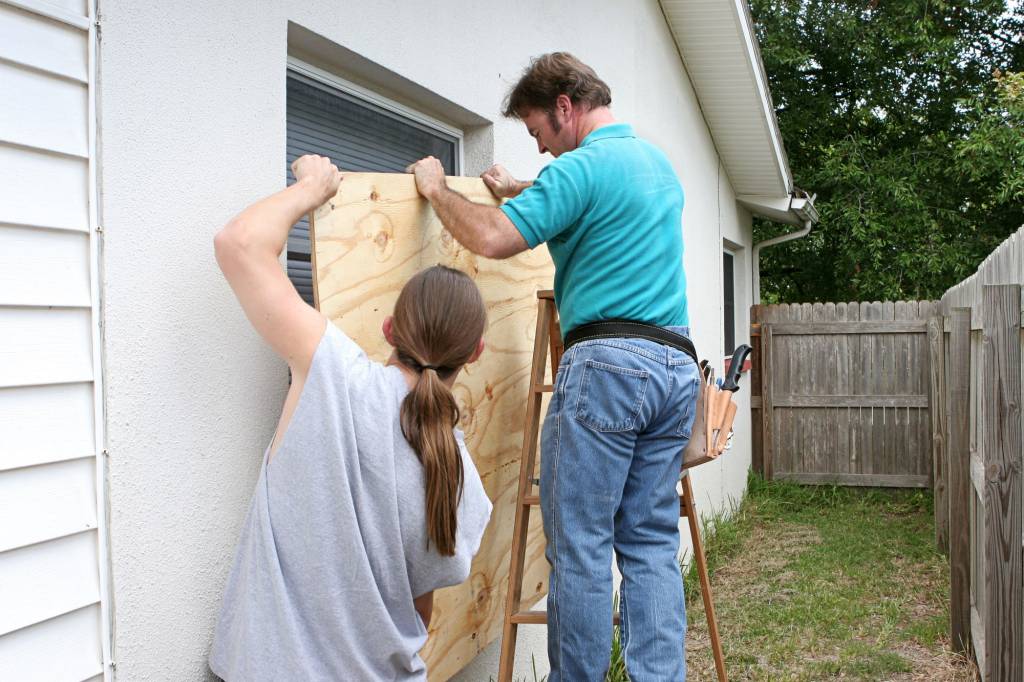
Reinforce Doors and Windows: Install storm shutters or board up windows and glass doors to prevent shattering. 

Trim Trees and Shrubs:  Prune trees near your home to reduce the risk of falling branches or uprooted trees. 

Elevate Electrical Equipment:  Electrical panels, HVAC units, and other critical systems should be above potential flood levels. 

Step 4: Prepare to Evacuate

Photo courtesy of American Psychological Association

If authorities issue an evacuation order, it is critical to act promptly and responsibly.

Follow Official Instructions:  Stay tuned to local news and announcements for evacuation orders and updates. Download local news apps to your phone to help you stay informed. Follow local news outlets and authorities on social media, as well. 

Evacuate Early: Avoid leaving late, as traffic congestion can be overwhelming, and you might run out of fuel or get caught in the storm’s path. 

Step 5: Stay Informed During and After the Hurricane

Photo courtesy of viperade.com

During the hurricane and its aftermath, communication is vital. 

Battery-Powered Devices:  Rely on battery-powered radios and mobile phones for news updates, as power outages may prevent other devices from working.

Stay Indoors:  Refrain from venturing outside during the storm. Flying debris and water surges pose significant dangers. 

Avoid Floodwaters: Stay clear of flooded areas, as they may be contaminated or conceal hazards. 

Downed Powerlines:  Avoid powerlines that have fallen during the storm. These may or may not be live, so don’t approach them. 

Living in beach communities offers beautiful scenery and a unique lifestyle, but requires vigilance and preparedness during hurricane season. By developing a plan and following these five steps, residents can better weather the storm safely and minimize damage. Minimize your risks and stay prepared during hurricane season and all year long. 

This article was originally published on August 15, 2023.

Diamond in the Rough: A dreamy refuge on Washington’s Lopez Island melds fluently with its coastal habitat.

Estimated reading time: 9 minutes

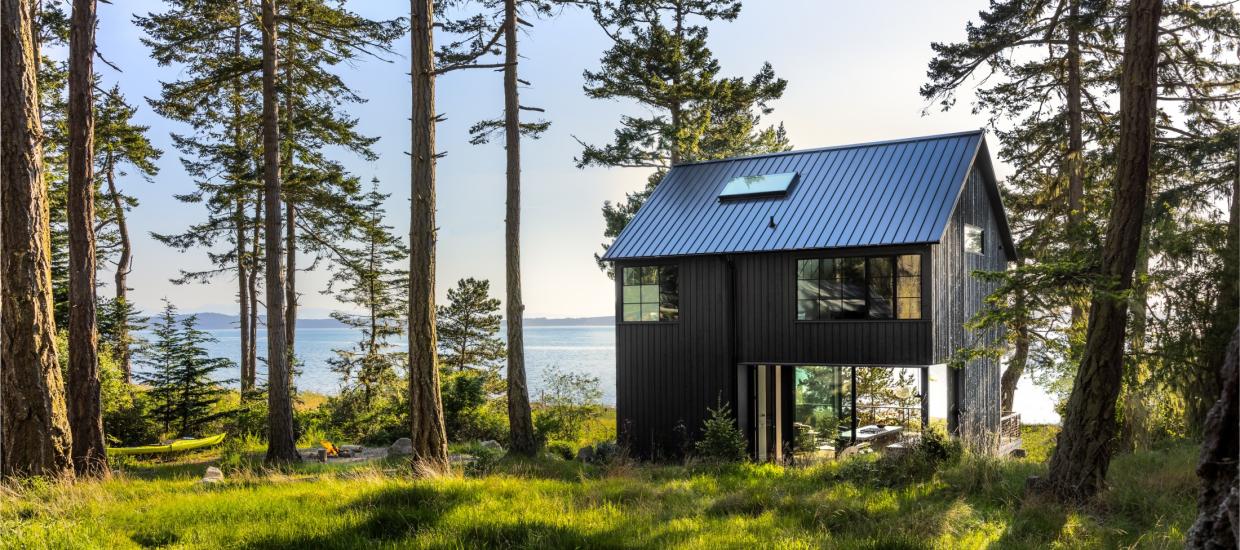
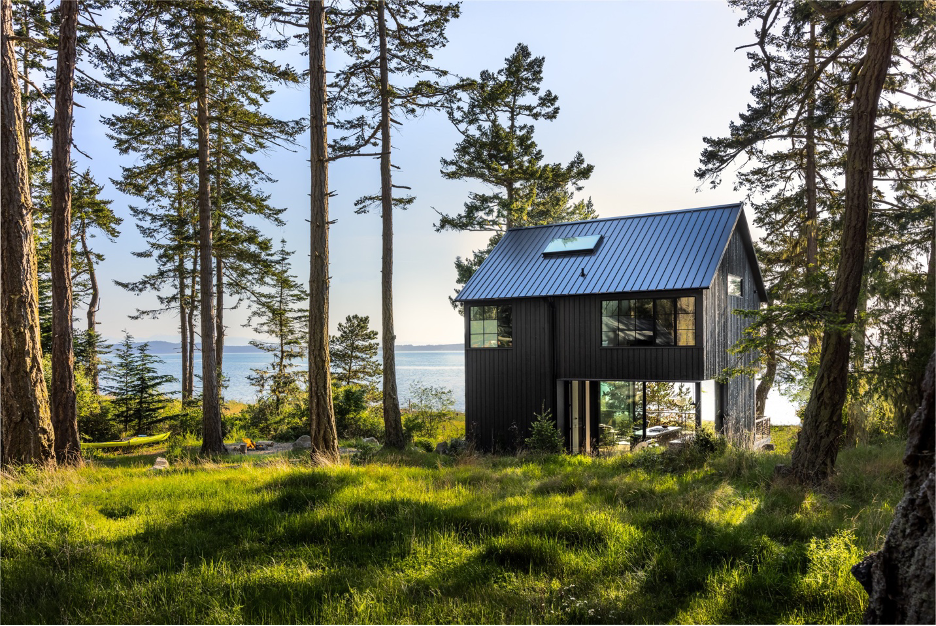
Designed by Seattle's Heliotrope Architects, this Family vacation retreat on Washington's Lopez Island nestles within the Pacific Northwest's San Juan Islands, a designated national monument

Architecture & Interior Design: Joseph Herrin, AIA, and Mazohra Thami,
Heliotrope Architects, Seattle, WA
Contractor: Thomas Fragnoli Construction, Seattle, WA
Photography: Taj Howe, Taj Howe Photography, Bellingham, WA


The fragile coastal environment embracing this waterfront property on Lopez Island was its greatest challenge and its richest reward. This stunning property nestles amid the Pacific Northwest’s San Juan Islands, a region designated a national monument and home to many endangered species, including a resident orca whale and native salmon. The particularly sensitive site also encompasses a saltwater estuary, forest, and shoreline habitat, and an active bald eagle’s nest 30 feet away—a considerable tall order for constructing a three-bedroom vacation retreat of modest scale and budget for a family of four.

“We sought a design solution that minimized environmental impacts by limiting the footprint of the home to 900 square feet, defined by the footprint of an existing primitive cabin, and utilizing only previously disturbed areas for construction and circulation,” says Joseph Herrin, AIA, a principal architect with Seattle-based Heliotrope Architects who partnered with designer Mazohra Thami on the project. Admittedly, the most challenging property Heliotrope has encountered, they were able to accommodate the program within the limited footprint by utilizing a generous allowable building height, creating a two-story plus loft structure with private spaces upstairs and public spaces at grade on Lopez Island.

“The resulting design is organized vertically, with living spaces on the ground level, bedrooms on the second level, and a den/kids’ play loft on the third level,” adds Herrin. “This ‘stacking’ of the program allows every room, other than the kids’ room, to have unobstructed water views to the west.”

Rooted In Tradition

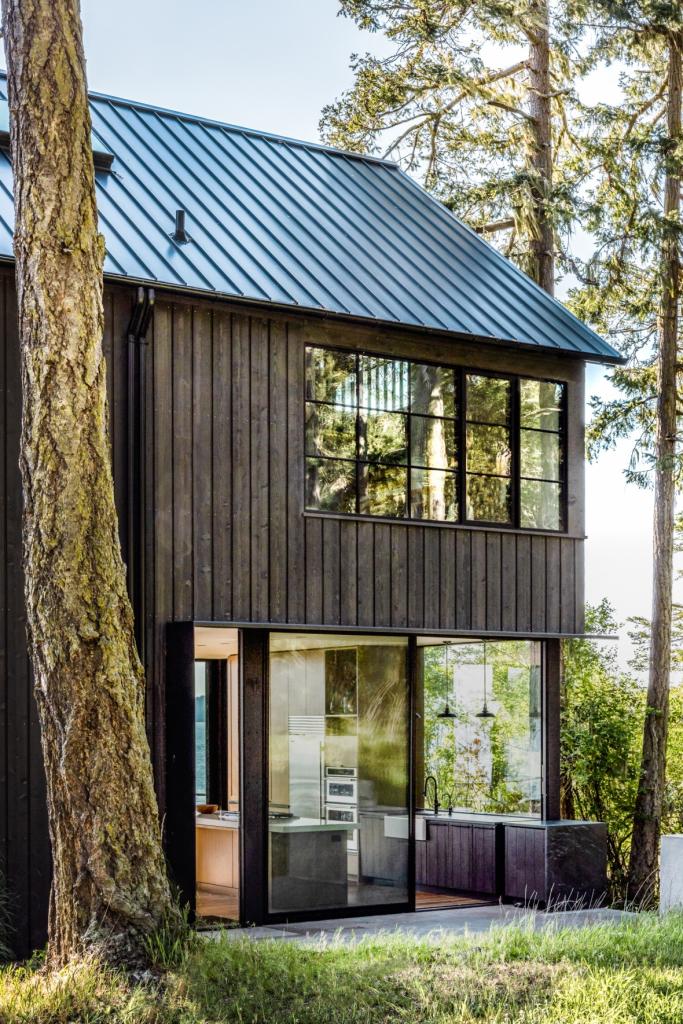
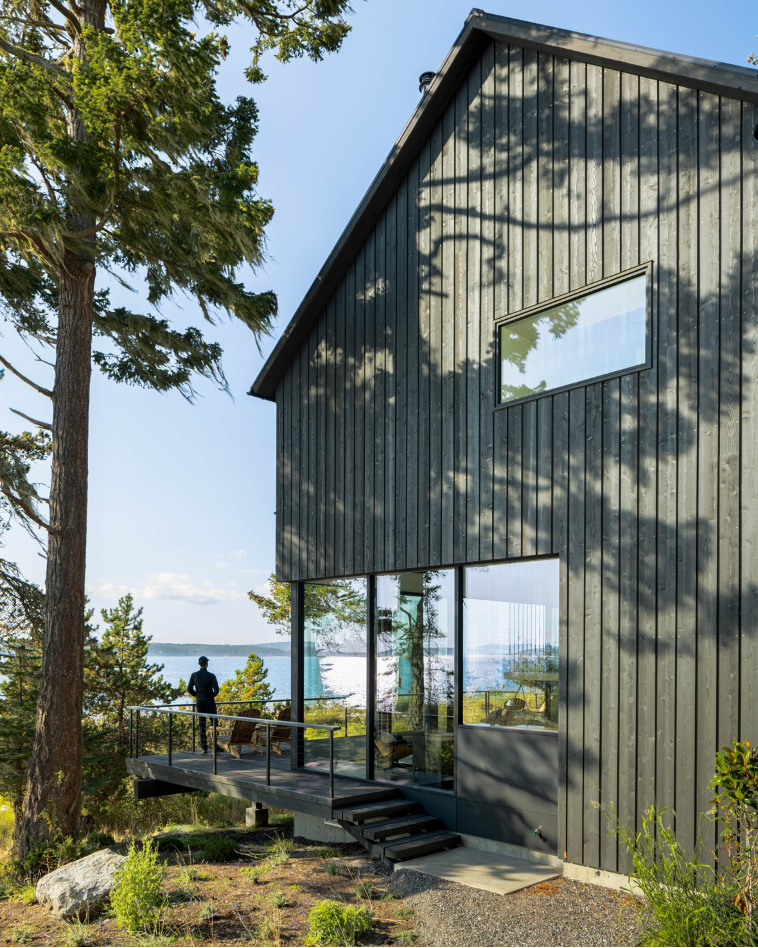
The structure’s architectural character is suggestive of a modest traditional island farmhouse of indeterminate age, with a simple gable roof, reverse board-and-batten siding, and divided-lite windows. “This vernacular form is upended by a nearly complete lack of enclosure at the ground level,” notes Herrin, “as if most walls went missing, leaving just enough to support the house above.”

Rainwater Harvesting

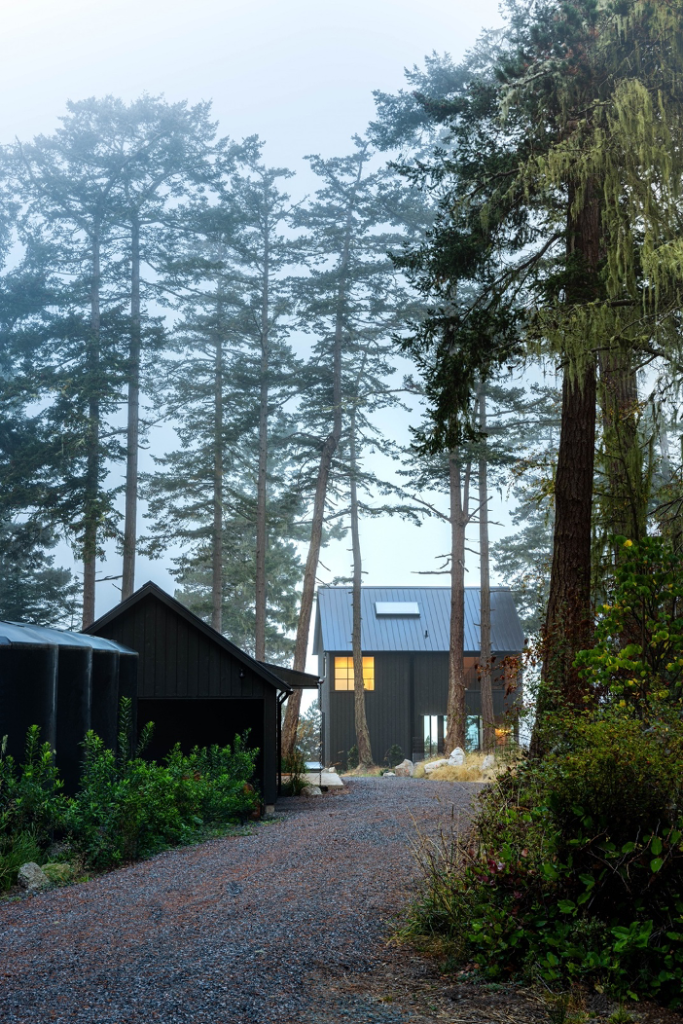
Exterior view of home's graveled entrance path, with a car port and guest cottage on site.

The island home relies on rainwater for 100% of its potable water needs, further strengthening the case for its steeply pitched roof, which is fabricated with standing-seam metal. “There is no functioning well on the property,” says Herrin, “and the site lies within a rain shadow from the Olympic Mountains, resulting in less than 24 inches of rain per year. Every square inch of roof is needed for water collection, including from the carport and guest cottage.” A somewhat late addition to the program, the guest cottage accommodates three generations of family, including grandparents who often stay for extended periods.

Zero Entry

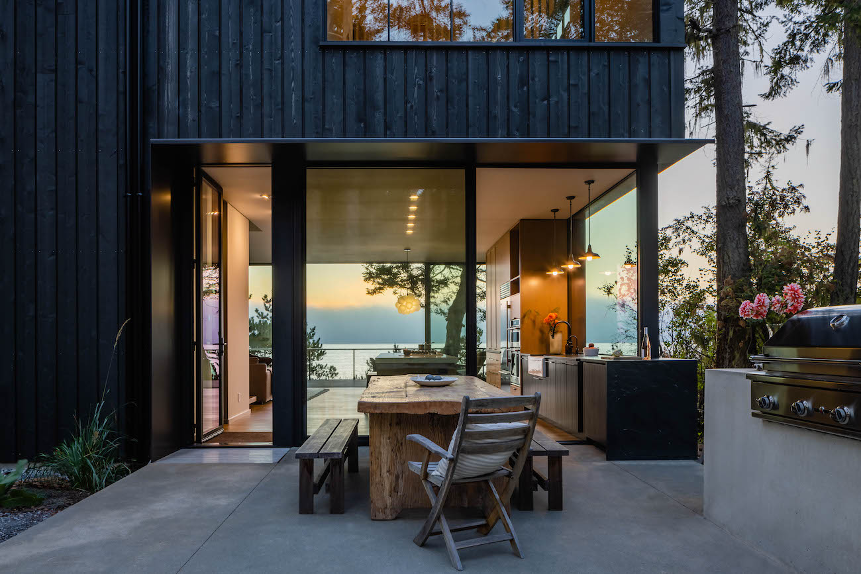
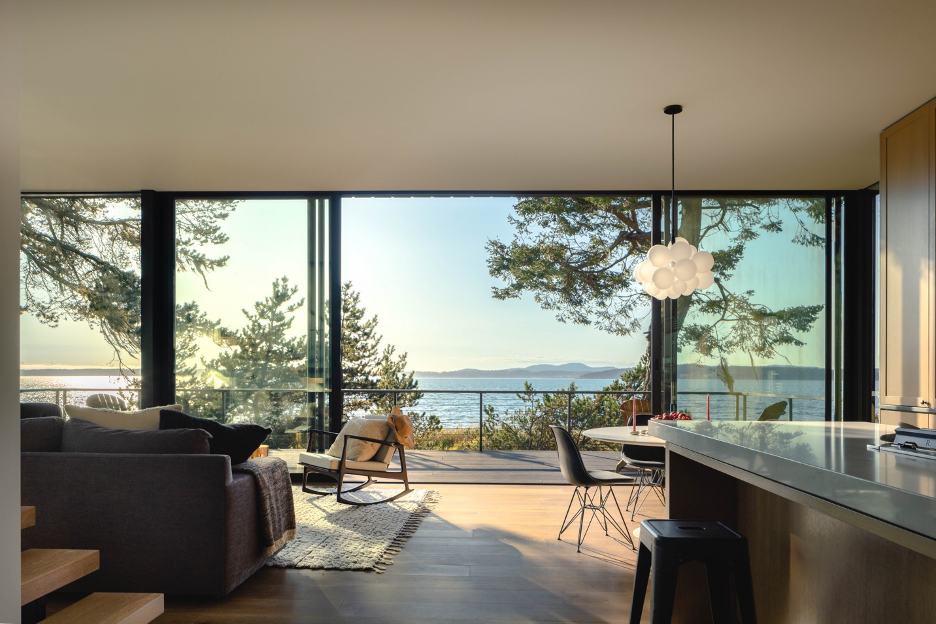
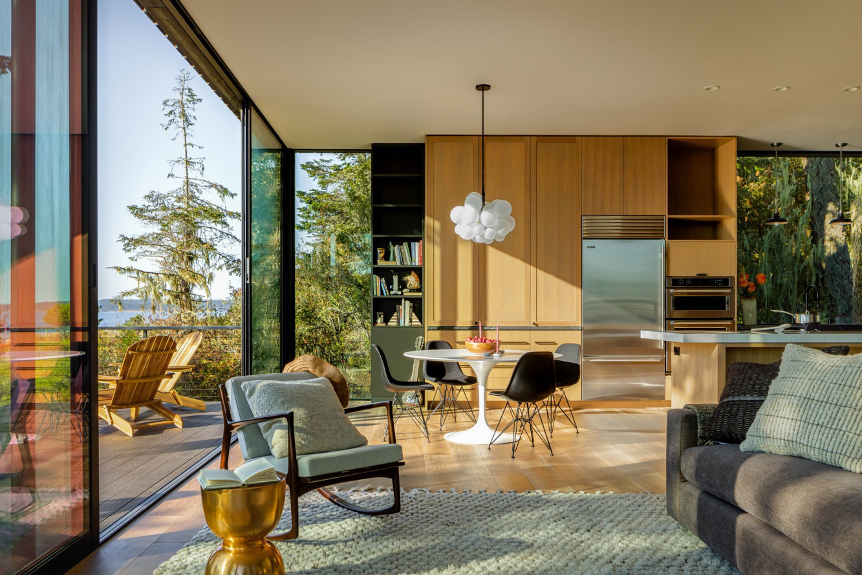
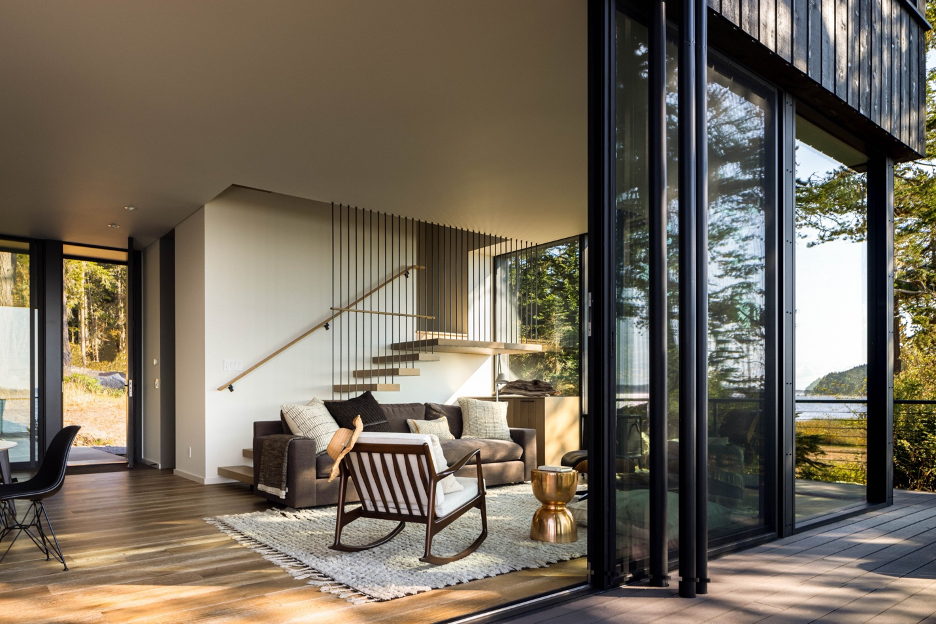
Seamless view from outdoor dining area into the kitchen and out to the living room deck, displaying uninterrupted vistas of the ocean waters, mountains, and Pacific Northwest landscape

Nearly the entire ground level is enclosed with floor-to-ceiling glass, which maximizes views and connection to the surrounding landscape. “Our design provides the owners with rich spatial variety,” says Herrin, “cozy sleeping and bathing spaces with a strong sense of protection, and living/eating spaces with dramatic views and minimal distinction between inside and outside.” 

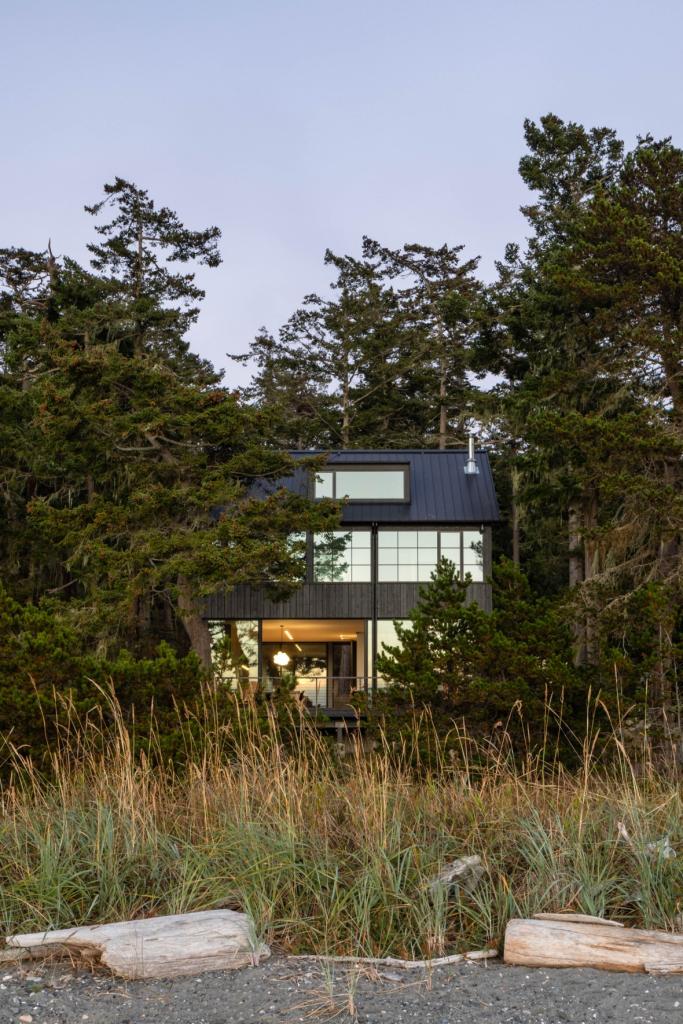
In deference to its surroundings, that house is clad in black to ensure it remains nearly invisible from the public shoreline. “We are deeply aware of the visual impact of our projects when seen from the water,” notes Herrin. “These islands are a boaters’ paradise—I grew up boating here during summer breaks—and we believe the focus should be on nature, not on man-made edifices. So, we chose to clad the home in cedar, a local wood, stained black in order for the home to recede into the forest when seen from the water.” 

Full Transparency

Sleek and modern living area and kitchen with outdoor deck featuring expansive coastal views, mountains, and forested landscape

Inside, a warm neutral palette emulates the natural surroundings outside, helping to blur any distinction between the two. For cost reasons, neutral white drywall serves as the primary finish. “The owners, a bit wary of the home becoming too minimal, selected fixtures and tile with a bit of personality to reflect their individuality,” notes Herrin. “Marble countertops were sourced from a quarry on Vancouver Island, not terribly far from the project, as the crow flies.”

Barrier-Free

Living and kitchen area all connect to the outdoor deck via a large glass wall of folding doors for seamless indoor-outdoor access

The open-concept floor plan transitions fluidly to the outdoor spaces, making indoor-outdoor living effortless. With coastal summer temps in the mid-60s and winters in the mid-40s, thermal comfort, coziness, and connection to the environment tend to be essential factors regardless of the season. “As designers, we consistently look for a balance of openness and a sense of protection, enclosure, and warmth,” says Herrin. “Where that line falls differs substantially from client to client. However, our vacation homes tend to connect seamlessly to the outdoors.”

Light-Filled & Lofty

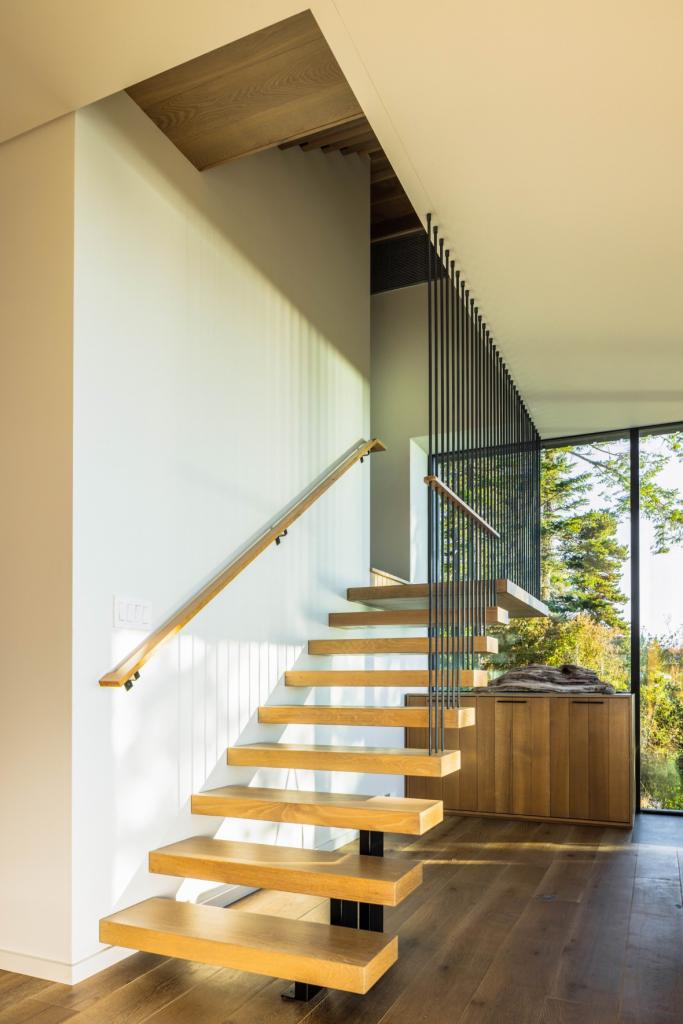
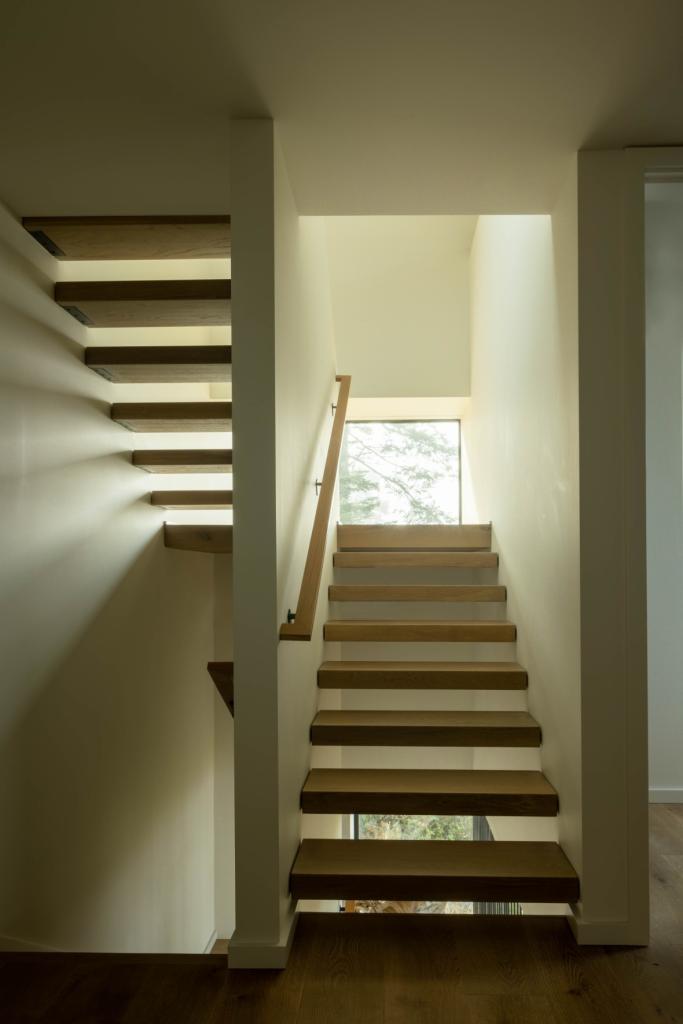
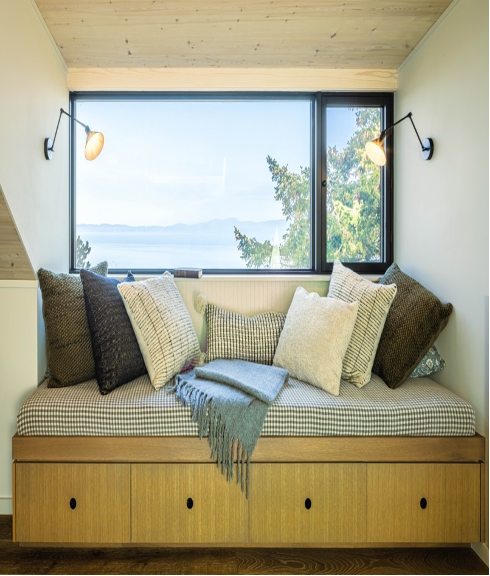
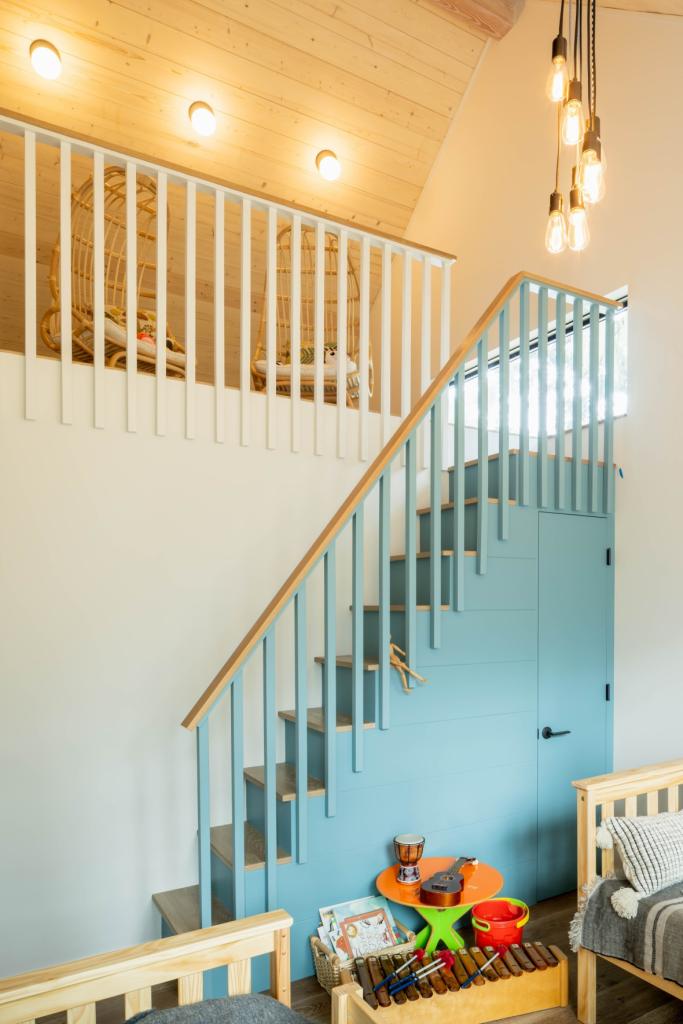
The three floors are connected by an open staircase capped by a large skylight, which allows daylight to pass through the center of the home and illuminate the levels below. Adds Herrin, “We envisioned this stair as a distinct space rather than simply a means of circulation, incorporating a kids’ play nook into the landing with stellar views down the beach.”

Vertical Appeal

Living area showing staircase to upper levels and connection to the outdoors via folding glass doors

Heliotrope’s architectural intervention maximizes connection to the landscape and view, nearly eliminating the distinction between inside and out. Modest materials, furnishings, and textiles were selected to optimize the flow, keeping the vibe feeling light and open rather than heavy and dark. “As a vacation home for a family with young children, the furnishings needed to be able to handle some abuse, so nothing precious here,” says Herrin.

Second-Floor Sanctuary

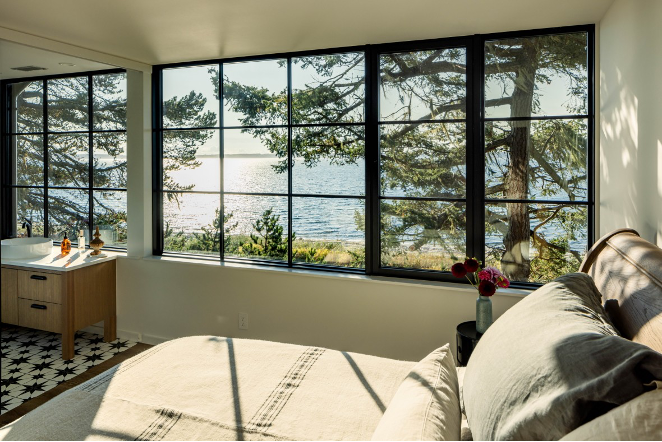
Second-floor bedroom with expansive water views and surrounding trees

Upstairs, smaller, more traditional glazed openings in the bedrooms provide a sense of protection and enclosure, and the contrast between the spaces above and below weaves an experience rich in variety.

Subdued Luxury

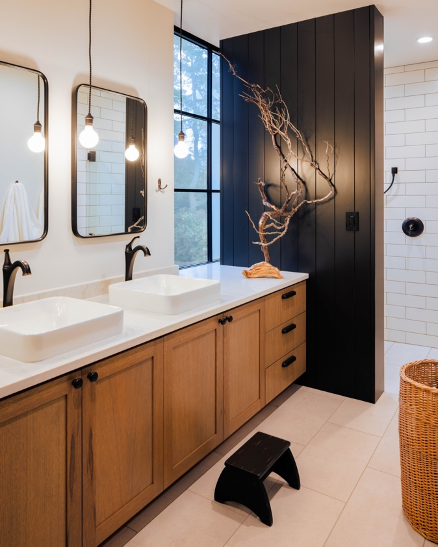
bathroom with dual sinks, mirror, and a windowed walk-in shower with an organic branch sculpture

Natural finishes and organic elements emanate a meditative spa-like ambiance in the bathroom. Dual sinks and mirrors, minimalist lighting fixtures, and a windowed walk-in shower all contribute to a clean, streamlined aesthetic.  

Enchanted Escapes

Cozy loft spaces on the third floor make extended stays possible, providing a place to work remotely and a space for the kids to play on days when the weather doesn’t cooperate. In the off-season, when indoor living is more prevalent, these spaces also help combat cabin fever. 

Breeze Catcher

Side view of home exterior with ocean backdrop

The family utilizes their idyllic vacation home primarily in the summer and during school breaks. Miles of accessible sandy beach, rural roads with essentially zero traffic, and almost no rain in July and August make the island a summer paradise for kids and adults alike. The downside? Due to the ocean currents, water temperatures remain a frigid 50 degrees all summer.

“This means it can be chilly on the beach even in August, particularly if there is an offshore breeze,” says Herrin. “To address this, the home has outdoor spaces on both the windward/water side and the leeward/landward side, allowing for outdoor living regardless of which way the wind blows.

Access from the city is convenient enough to allow for occasional winter weekend visits. Still, the distance combined with a ferry ride makes it a bit unattractive as a frequent weekend option. “Lopez Island’s winters are mild but wet and gray,” adds Herrin. “A high-efficiency building envelope keeps the home comfortable at any time of year, and a wood stove provides ambiance as well as supplemental heat. It is a quiet, peaceful time of year to slow down and enjoy nature—and this home has a front row seat for winter storms that occasionally blow through.”

For more inspiration on coastal living and embracing the beach life, visit Beach Homes Lifestyles.


Beat the Heat with Sweets: Delicious Creamy Homemade Ice Cream Recipes to Try

Photo Courtesy of Flickr

Warning: This post may cause uncontrollable cravings and spontaneous ice cream making. You’ve been warned.

Need to cool off and satisfy your sweet tooth after a hot day at the beach? You don’t need to be a pastry chef or own a fancy ice cream maker to create creamy, crave-worthy scoops at your beach home. Whether you’re team classic dairy or ride hard for coconut milk, we’re giving you all the tools, tips, and TikTok-worthy flavors to become a frozen dessert icon in your own kitchen.

The Scoop Science: What Makes Ice Cream Actually Creamy?

A little fat + sugar + a little air = creaminess magic. Traditional recipes use heavy cream and milk, while non-dairy versions rely on plant-based fats (like coconut or cashew milk) to keep things smooth and scoopable. The key? Balance and chill time.

Photo courtesy of ROMAN ODINTSOV

Choose Your Base & Follow These Easy Instructions

Ready to get started? From the classics, such as vanilla, to the exotic Mango Chili Lime, here are our picks for the creamiest ice cream recipes to satisfy your sugar cravings.

Creamy With Dairy Homemade Ice Cream Recipes

1. Old Fashioned Vanilla Ice Cream

Ingredients:

– 4 egg yolks

– 1/2 cup granulated sugar

– 1 cup whole milk

– 1 cup heavy cream

– 2 teaspoons vanilla extract or vanilla bean paste

For instructions, visit add a pinch.

2. Cake Batter Ice Cream

Ingredients:

-1 cup whole milk, well chilled

-3⁄4cup granulated sugar

-2 cups heavy cream, well chilled

-1 teaspoon pure vanilla extract

-2⁄3 cupcake mix

For instructions, visit Food.com

3. Blueberry Lavender Ice Cream

Ingredients:

-2 cups + 2 tbsp whole milk separated

-1 ¼ cups heavy cream

-1 cup blueberries

-¾ cup granulated sugar

-2 tbsp light corn syrup

-1 tsp kosher salt

-1 ½ tbsp cornstarch

-1 tsp vanilla extract

-¼ cup dried edible lavender

For instructions, visit wyse guide.

4. Peach Rosemary Ice Cream

Ingredients:

-2 cups + 2 tbsp whole milk separated

-1 ¼ cups heavy cream

-1 cup peach puree (approximately 3 peaches)

-¾ cup granulated sugar

-2 tbsp light corn syrup

-1 tsp kosher salt

-1 ½ tbsp cornstarch

-1 tsp vanilla extract

-2 small sprigs fresh rosemary

For instructions, visit wyse guide.

Creamy Non-Dairy Homemade Ice Cream Recipes

1. Coconut Ice Cream

Ingredients:

– 1 1/2 cup canned coconut milk

– 1/2 cup additional coconut milk or milk of choice

– 1 tablespoon vanilla extract

– 1/3 cup sweetener of choice, such as sugar or pure maple syrup

– 1/8 tsp salt

-1 1/2 tsp pure vanilla extract

For instructions, visit Chocolate Covered Katie.

2. Banana Nice Cream

Photo Courtesy of Wikimedia Commons

Ingredients:

– 4 large bananas, sliced and frozen (about 4 cups slices)

– 1/2 teaspoon vanilla extract

– 2 tablespoons plain milk, either dairy or non-dairy

For instructions, visit Simply Recipes.

3. Chili Lime Mango Sorbet Recipe

Ingredients:

-3 cups frozen mango

-1/2 cup canned full fat coconut milk

-Juice and zest of one large lime

-2 tbsp maple syrup

-1–2 tsp chili lime seasoning

For instructions, visit Plant Based RD.

4. Adaptogenic Cold Brew Coffee Coconut Ice Cream

Ingredients:

-3 tablespoons RASA Coffee Blend

-1 can Coconut Milk

-1 teaspoon1 teaspoon Stevia OR 1/4 cup Maple Syrup Stevia OR 1/4 cup Maple Syrup

-1 teaspoon Vanilla Bean Powder

1 scoop Sunflower Lecithin Powder*

-1 pinch Pink Sea Salt

For instructions, visit My Tiny Laguna Kitchen.

5. Vegan Chocolate Ice Cream

Ingredients:

-3/4 cup water

-1 1/4 cups lite coconut milk

-2/3 cup organic cane sugar*

-2/3 cup unsweetened cocoa powder

-1/4 tsp sea salt

-6 ounces vegan dark chocolate (finely chopped // ~1 cup chopped per 6 ounces)

-1/2 tsp pure vanilla extract

For instructions, visit Minimalist Baker.

Homemade Ice Cream Pro Tips

Let it rest: Take your ice cream out of the freezer for 5–10 minutes before scooping

Scoop like a pro: Use a warm scoop and dip it in hot water between scoops

Keep it smooth: Press parchment directly on the surface of your ice cream before sealing the lid to avoid ice crystals

Want it softer? Add 1 tablespoon of alcohol (like vodka or bourbon) to the base—it keeps it scoopable

Whether you’re celebrating a birthday, hosting a beach party, or just feeling snacky on a Tuesday night, homemade ice cream makes everything better. Mix, match, and swirl your favorite flavors—and don’t forget to tag us when you make your masterpiece.

From creamy classics to coconut swirls, your next ice cream obsession starts right here. For more recipes, visit Beach Homes Lifestyles.
Ride the Wind: A Beginner’s Guide to Kitesurfing

Estimated reading time: 6 minutes

Want more videos like this one? Subscribe to our YouTube channel!

If you’ve ever stood on a beach watching someone glide across the water with a kite pulling them like some sort of superhero, you’ve probably thought, “That looks amazing… but also kind of intense.” You’re not alone — kitesurfing (also known as kiteboarding) is one of the most exhilarating watersports out there, and yes, it does look intense. But here’s the good news: with the right mindset, gear, and guidance, anyone can learn to kitesurf.

This guide will walk you through the absolute basics — what the sport involves, what you need to get started, and what to expect in your first sessions. Let’s get into it.

What Is Kitesurfing, Really?

Photo Courtesy of Pexels

At its core, kitesurfing is a watersport that combines elements of wakeboarding, windsurfing, paragliding, and even a bit of surfing. You ride a board — typically a twin-tip, which looks like a large wakeboard — while being pulled by a kite harnessing the power of the wind. The kite is connected to a control bar, which you steer with your hands, and a harness worn around your waist or hips helps distribute the pull across your body.

By mastering wind direction and kite control, you can glide across the surface, change direction, or even launch into the air for jumps and tricks. It’s a physical, dynamic, and totally addictive way to connect with the water and the wind.

The Gear You’ll Need

Photo Courtesy of Sunny Maui Vacations

You don’t need to drop cash on a full kit right away — most classes provide everything — but it’s helpful to know what each piece does. The kite itself comes in various sizes to match your weight and wind conditions; most beginners start with an inflatable kite because it’s easy to relaunch from the water. The control bar, attached to the kite by long lines, is what you hold and use to steer.

A harness clips into the control system and supports your body during rides. The board, usually a twin-tip with foot straps, is your vehicle on the water. You’ll also need safety equipment like a helmet, an impact vest for flotation and protection, and a safety leash that allows you to detach from the kite in an emergency. In colder waters, a wetsuit is essential.

Understanding the Wind

Photo Courtesy of Rawpixel

Wind is everything in kitesurfing. You’ll quickly become obsessed with forecasts, wind speed apps, and flags blowing on the beach. For beginners, the ideal wind is steady and between 3 to 15 knots. Less than that, and you may struggle to get moving; more than that, and the kite becomes harder to control.

Equally important is wind direction. Side-onshore winds are ideal because they blow at an angle toward the beach, offering a safe ride out and an easy return. Offshore winds, which push away from land, are dangerous and should be avoided, especially by beginners, since they can carry you out to sea. Onshore winds can also pose challenges by limiting your space and potentially dragging you toward shore obstacles.

Photo Courtesy of Pexels

You’ll also need to get familiar with gusts and consistency. Smooth, consistent wind creates the best learning environment. Gusty conditions, where wind speed changes rapidly, can make the kite jerk unexpectedly — which is not just frustrating but potentially hazardous. Over time, you’ll begin to feel the difference between a clean, steady breeze and a turbulent one.

As you progress, you’ll also start to grasp concepts like the wind window — an invisible arc where your kite flies — and how to position your kite in low- or high-power zones. Learning to read the wind isn’t just a beginner’s task; it’s an ongoing skill that becomes second nature and deeply enhances your riding experience.

What to Expect in Your First Lessons

Photo Courtesy of Collections – Get Archive

Your journey will start with ground school. On your first day, you’ll stay on land learning wind theory, safety systems, and how to fly a small trainer kite. Once you’re comfortable, you’ll move to the water to practice body dragging — letting the kite pull you through the water without a board. This teaches you control and balance. In your second or third session, you’ll begin practicing water starts — getting up on the board while steering the kite — and eventually learn to ride both directions. Everyone learns at their own pace, but most people need six to twelve hours of lessons before they can ride independently and safely.


Why You Shouldn’t Learn Alone

Photo Courtesy of PICRYL

Although kitesurfing might look like something you could figure out with a YouTube video and a bit of trial and error, it’s absolutely not the kind of sport you want to teach yourself. The kite is a powerful piece of equipment that can lift you out of the water — or launch you onto land — if mishandled. Certified instructors, usually through organizations like the International Kiteboarding Organization (IKO), are trained to teach safely. They’ll help you learn not only how to ride, but how to launch, land, rescue yourself, and understand changing wind and weather conditions. That kind of instruction is priceless, especially early on.

Learning to kitesurf is part challenge, part thrill, and 100% worth it. As you progress, you’ll gain not only a new skill but a new way of seeing and interacting with the natural world. You’ll read the wind like a sailor, move with the water like a surfer, and push your limits with every session.

Best of all, kitesurfing connects you with a vibrant global community of riders who share your love for wind, water, and the occasional wipeout. If you’ve been on the fence about trying it, consider this your sign. Book a lesson, grab a kite, and take the leap. The wind is waiting — and your next favorite obsession might be just one gust away.