

![Playa Novillero | See where this picture was taken. [?] | Christian Frausto Bernal | Flickr](https://live.staticflickr.com/2508/3930148339_1f34a5076f_b.jpg)
For most of us, a “long walk on the beach” lasts about twenty minutes before we hit a rocky jetty, a hotel pier, or a private property line. But across the globe, there exist geological anomalies that defy the horizon. These are stretches of sand so vast they are measured in hours of driving rather than minutes of walking.
To find the world’s longest beaches, we have to look past the local vacation spots and seek out “continuous” shorelines. These are unbroken sandy stretches where the land meets the sea without significant rocky headlands or man-made interruptions. From the windswept dunes of South Australia to the tropical gradients of Bangladesh, let’s embark on a global journey to find the absolute titans of the shoreline.
Praia do Cassino, Brazil (Approx. 158 Miles)
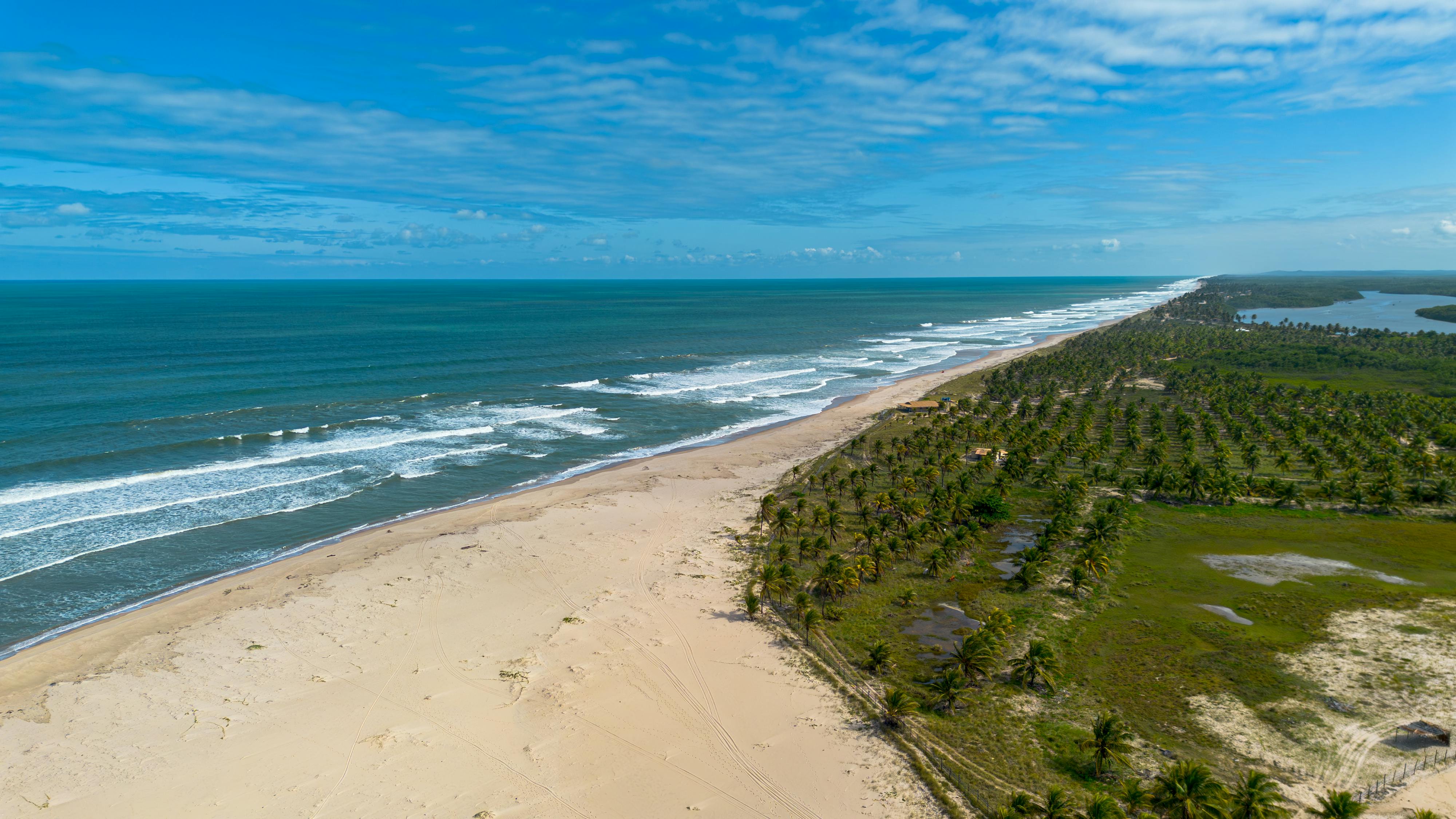
The undisputed king of the coastline is Brazil’s Praia do Cassino. Stretching from the city of Rio Grande all the way to the Uruguayan border, this beach isn’t just a destination; it’s a geographical marvel. Known for its vast, hard-packed sandy surface, the beach serves as a literal road. In fact, it is one of the few places on Earth where you can drive for hours at the surf’s edge without seeing a single building.
Trivia: If the scale doesn’t haunt you, the scenery might. It is home to the famous Altair shipwreck, a rusting iron behemoth that has sat embedded in the sand since 1976, serving as a stark landmark for travelers.
The Coorong, Australia (Approx. 121 Miles)


Stretching from Cape Jaffa to the Murray Mouth in South Australia, the Coorong is the Southern Hemisphere’s rugged answer to the endless shore. This isn’t your typical umbrella-and-lounge-chair resort; it is a windswept landscape of massive, ancient dunes and hidden lagoons.
Notable Feature: The Coorong is a vital sanctuary for migratory birds and served as the iconic, ethereal setting for the classic Australian film Storm Boy. It feels less like a beach and more like a wild, saltwater frontier.
3. Ninety Mile Beach, Australia (Approx. 94 Miles)

Located in Victoria, Australia, this “Golden Ribbon” separates the Gippsland Lakes from the churning waters of the Bass Strait. Unlike its famous namesake in New Zealand (which, ironically, is only 55 miles long), Australia’s Ninety Mile Beach actually lives up to its name—and then some.
The Golden Ribbon: What makes this beach a wonder is the lack of interruptions. There are no rocky headlands or cliffs to break the view; just ninety-plus miles of pristine, bright-gold sand as far as the eye can see.
4. Cox’s Bazar Beach, Bangladesh (Approx. 75 Miles)
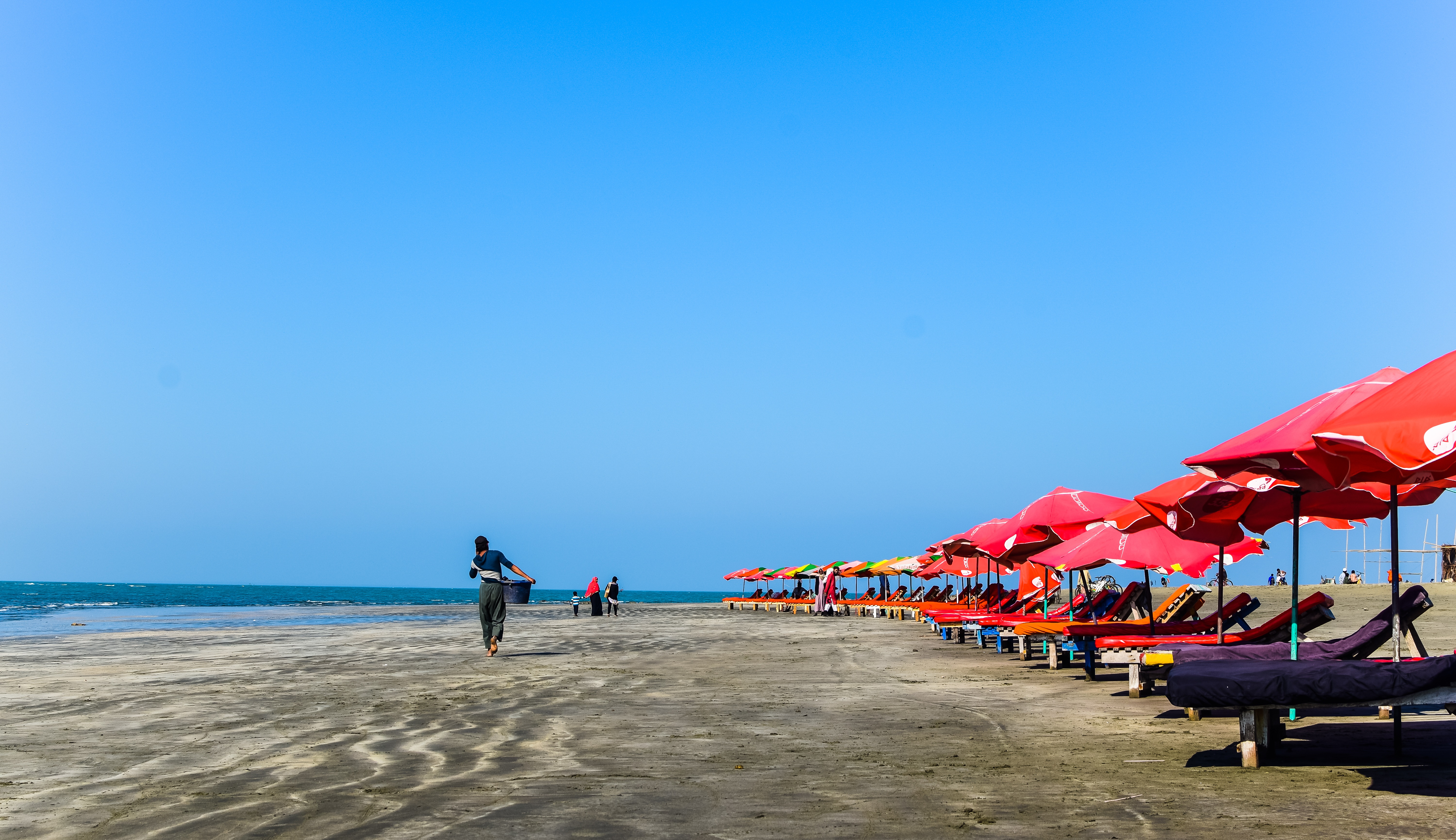

Widely recognized as the longest “unbroken” natural sea beach in the world, Cox’s Bazar Beach is the crown jewel of the Bay of Bengal. It is famous for its remarkably gradual incline. The seafloor stays shallow for so long that you can walk for miles in ankle-deep water.
The Marine Drive: Running parallel to the sand is one of the world’s most scenic coastal roads. It provides a 50-mile front-row seat to the ocean, making it a favorite for both hikers and drivers alike.
5. Padre Island National Seashore, USA (Approx. 65 Miles)


While many know South Padre for its spring break festivities, the Padre Island National Seashore on the Texas coast is a different world entirely. This is the longest stretch of undeveloped barrier island in the world.
The Remote Frontier: This is a place where the stars are the only lights at night. While humans are rare, wildlife is not; the island serves as the primary nesting ground for the endangered Kemp’s ridley sea turtle.
6. The Grand Strand, USA (Approx. 60 Miles)

Located in South Carolina and anchored by the vibrant Myrtle Beach, The Grand Strand is proof that a massive shoreline can balance high-end development with natural beauty. This unbroken arc of sand is the longest walkable “vacation” beach in America. It holds this status because it lacks the inlets that usually fragment the East Coast.
Development vs. Nature: You can start your day in the heart of a world-class resort. Within a few miles of walking, you may find yourself in the pristine, quiet wilderness of a state park.
7. Playa Novillero, Mexico (Approx. 56 Miles)

The Pacific’s best-kept secret is Playa Novillero in Nayarit, Mexico. It is the longest beach in the country and one of the widest in the world.
The “100-Meter Rule”: The beach features a fascinating geological quirk where you can walk nearly 100 meters out into the ocean, and the water remains only waist-deep. It remains a tranquil, relatively undiscovered paradise for those who want a piece of the “infinite” all to themselves.
Did you enjoy this article? For more beach trivia like this one, check out Beach Homes Lifestyles.