

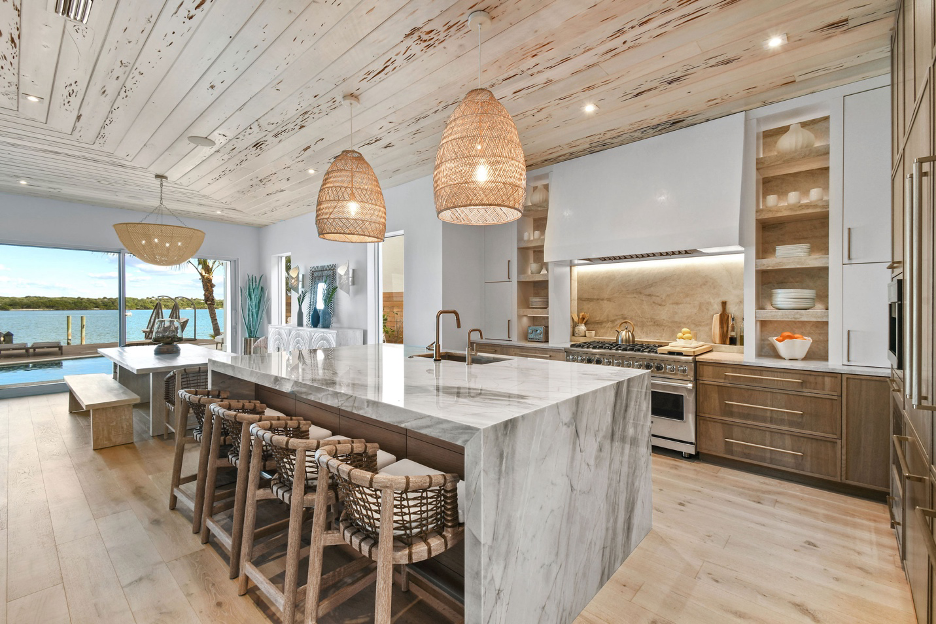
Designing a kitchen for a coastal or beach home requires a different level of rigor than renovating inland. Salt air corrodes, humidity lingers, storms disrupt schedules, and many coastal properties—from Upper East shingle-style houses to contemporary California retreats—operate as seasonal residences with fluctuating occupancy. Professional kitchen designers consistently point out that the most expensive mistakes during a kitchen remodel are rarely aesthetic; they are procedural. Poor sequencing, incomplete planning, and underestimating logistics can derail even the most refined design vision.
In coastal regions such as the Mid-Atlantic and Southeast, permitting timelines and weather delays must be factored into the schedule. Along the Texas Gulf and broader Gulf Coast, humidity control and material acclimation are critical. In the Pacific Northwest, moisture and code requirements influence electrical and ventilation systems. A successful remodel depends less on trend awareness and more on disciplined coordination. Below are seven of the most common kitchen remodel mistakes designers see in coastal homes—and why avoiding them is essential to protecting both your investment and your property’s long-term performance.
Failing to Have a Solid Plan—Including Proper Electrical Wiring

One of the most common errors is beginning demolition without a comprehensive plan that integrates layout, lighting, appliance loads, and code-compliant wiring. Coastal kitchens often include high-performance ventilation, beverage refrigeration, ice makers, and outdoor-adjacent cooking zones—each requiring dedicated circuits. In hurricane-prone Southeast and Gulf Coast regions, surge protection and generator integration may also be necessary. In the Pacific Northwest and California, updated energy codes can affect wiring specifications. Without a finalized electrical plan, homeowners risk cutting into finished cabinetry to add outlets or discovering that their panel cannot handle the demand of appliances. The result is budget overrun, construction delays, and compromised design integrity. A complete plan, finalized before construction begins, is foundational for a successful kitchen remodel.
Selecting Appliances After Cabinetry
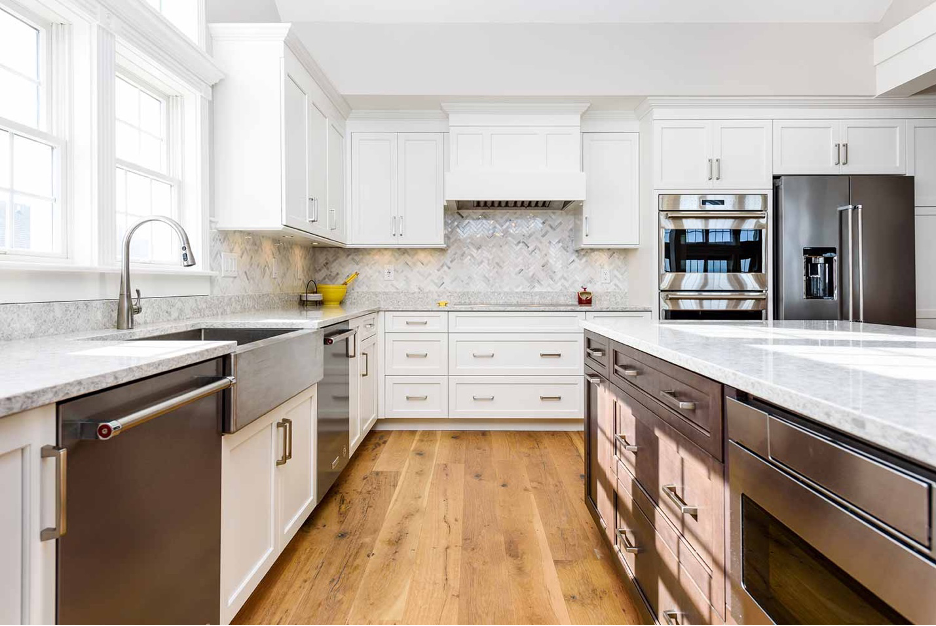
Appliance dimensions should drive cabinetry—not the reverse. Yet designers frequently see homeowners choosing cabinetry layouts first and then shopping for appliances later. In Upper East and Mid-Atlantic homes where space may be tighter, even a half-inch discrepancy can disrupt symmetry. In California coastal projects that favor flush-panel refrigeration and induction ranges, precise specifications are critical. Vent hood dimensions, panel-ready dishwashers, and undercounter refrigeration all require advance planning. Ordering appliances after cabinetry can result in filler panels, awkward gaps, or costly cabinet modifications. In coastal markets with extended shipping timelines—particularly Gulf Coast regions after storm seasons—appliance lead times can be substantial. Lock in appliance selections early to avoid structural revisions and delays during your kitchen remodel.
Selecting the Wrong Flooring
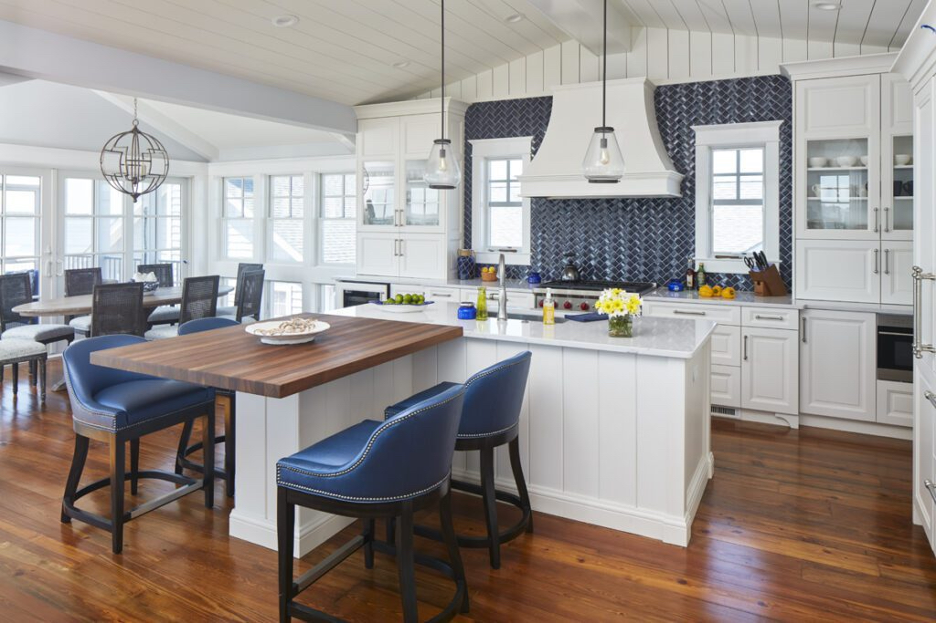
Flooring failures are especially common in beach homes. Solid hardwood can swell in humid Southeast and Texas Gulf climates. Porous stone may stain from tracked-in sand and salt. In the Pacific Northwest, persistent moisture demands dimensional stability. Designers often recommend engineered wood, high-quality porcelain tile, or sealed stone rated for wet environments. Slip resistance also matters in properties near docks or pools. Choosing flooring based solely on appearance can lead to cupping, cracking, or costly refinishing. In seasonal Upper East homes closed during winter, temperature swings further stress materials. The right flooring must withstand sand abrasion, humidity, and heavy summer traffic without constant maintenance. Moreover, flooring selection is one of the most important parts of any kitchen remodel.
Underestimating Your Costs
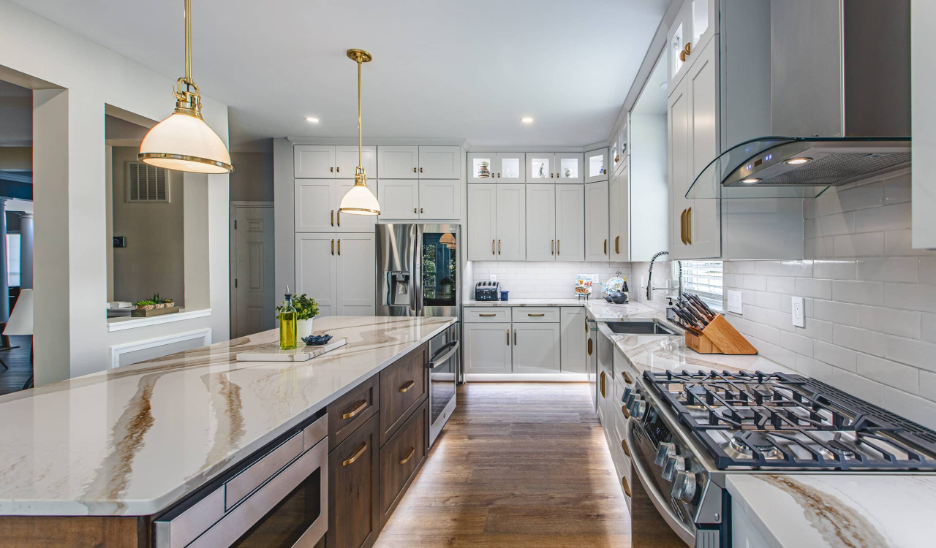
Budget miscalculations are universal, but coastal projects add complexity. Freight charges to barrier islands, permit requirements in flood zones, impact-rated windows, and upgraded ventilation systems all increase costs. In California coastal communities, regulatory compliance and environmental standards can further elevate expenses. Designers advise allocating a contingency of at least 15–20 percent, particularly in Gulf Coast and Southeast markets vulnerable to weather delays. Underestimating costs often forces mid-project compromises—downgrading finishes, eliminating lighting layers, or postponing essential infrastructure. A realistic budget protects both design intent and structural integrity. Consequently, careful financial planning ensures your kitchen remodel stays on track.
Failure to Plan Logistics for Deliveries
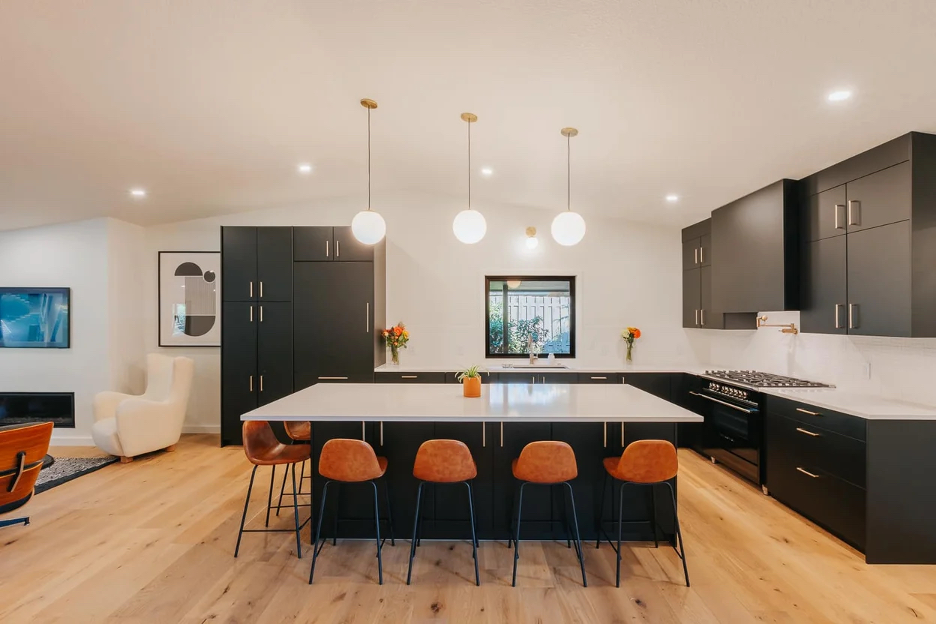
Logistics are frequently overlooked in coastal remodels. Narrow roads, ferry access, limited staging space, and weather disruptions can complicate deliveries. In the Upper East and Mid-Atlantic, historic districts may impose access restrictions. Gulf Coast and Texas coastal communities may face supply chain interruptions during storm seasons. Appliances, cabinetry, and stone slabs often arrive at different times and require secure, climate-controlled storage. Failing to coordinate delivery schedules can result in damaged materials or costly re-delivery fees. Professional designers sequence orders strategically, ensuring flooring acclimates before installation and cabinetry arrives only after environmental conditions are stabilized.
Installing Cabinets Before Floors
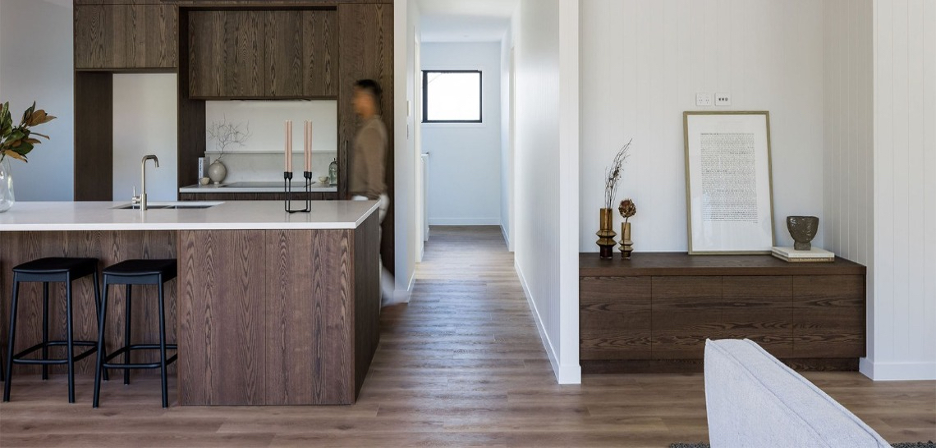
Sequencing errors can have lasting structural consequences. Installing cabinets before flooring—particularly floating or engineered flooring—can restrict natural expansion and contraction. In humid Southeast and Gulf Coast environments, this mistake often results in buckling. In the Pacific Northwest, variations in moisture intensify the problem. Designers typically recommend installing flooring first (with exceptions for certain tile or fixed layouts) to allow for proper expansion gaps and a seamless finish. Reversing the order can complicate future renovations and create uneven transitions. Correct sequencing protects both cabinetry alignment and flooring performance.
Respecting the Kitchen Triangle (while adapting to modern design)
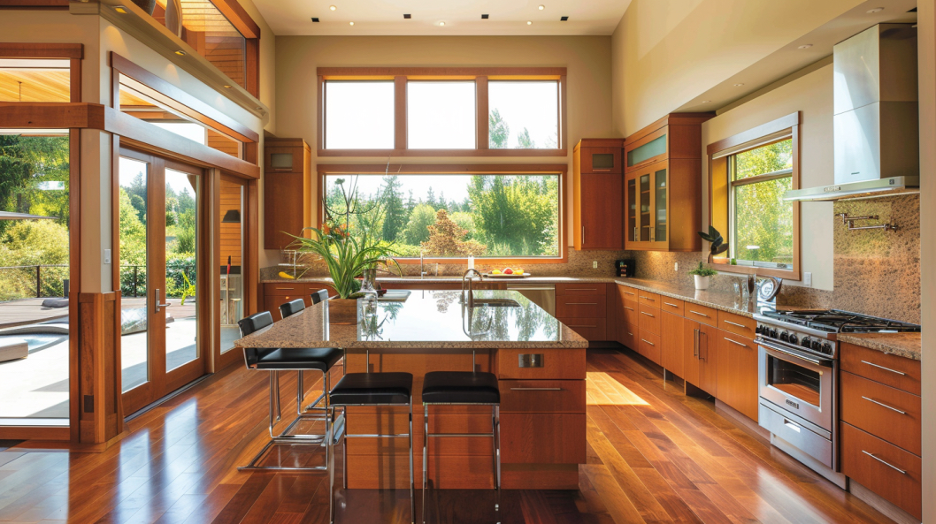
The kitchen work triangle—linking refrigerator, sink, and cooktop—remains relevant even in open-concept coastal homes. Oversized islands popular in California and Gulf Coast properties can unintentionally disrupt circulation. In smaller Upper East cottages, removing walls without redefining zones may create awkward distances between key functions. Designers stress efficient pathways, particularly in homes that host large summer gatherings. Ignoring the triangle leads to congestion, inefficient meal prep, and safety concerns during entertaining. Even contemporary layouts benefit from respecting this foundational principle of kitchen planning.
A well-executed coastal kitchen remodel depends on sequencing, logistics, and environmental awareness as much as aesthetics. From precise electrical planning to disciplined installation order, each decision influences durability and daily function. Coastal homes face unique stressors—salt air, humidity, seasonal use, and regulatory complexity—that demand proactive coordination. By avoiding these seven common mistakes, homeowners across the Upper East, Mid-Atlantic, Southeast, Gulf Coast, Pacific Northwest, and California coastal regions can ensure their kitchens perform as intelligently as they look—supporting both long-term value and effortless living by the water. For more design inspiration, visit Beach Homes Lifestyles.