

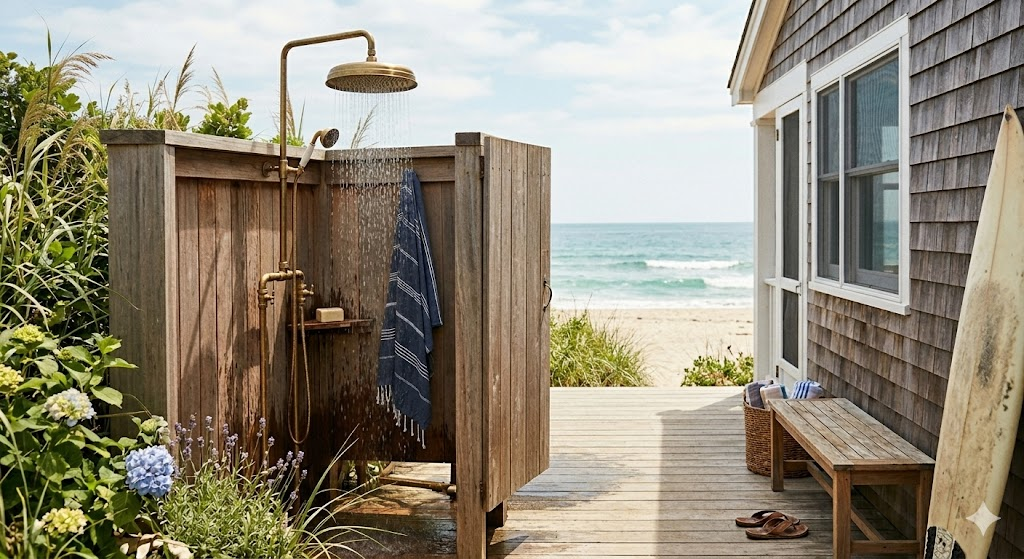
Every beach homeowner knows the silent, gritty struggle of coastal living. You spend the morning enjoying the rhythmic crash of the waves and the warmth of the sun, only to spend the afternoon engaged in a losing battle against the elements. Sand finds its way into the deepest crevices of your sofa, salt air clings to every surface, and sunscreen seems to coat every doorknob.
Enter the outdoor shower. More than just a plumbing fixture, it serves as the “sanitary airlock” of your home—a stylish, functional transition zone that keeps the chaos of the coast outside where it belongs. While it might seem like a luxury, an outdoor shower is arguably the smartest investment you can make for your property’s longevity and your own peace of mind.
The War on Sand: Preserving the Interior
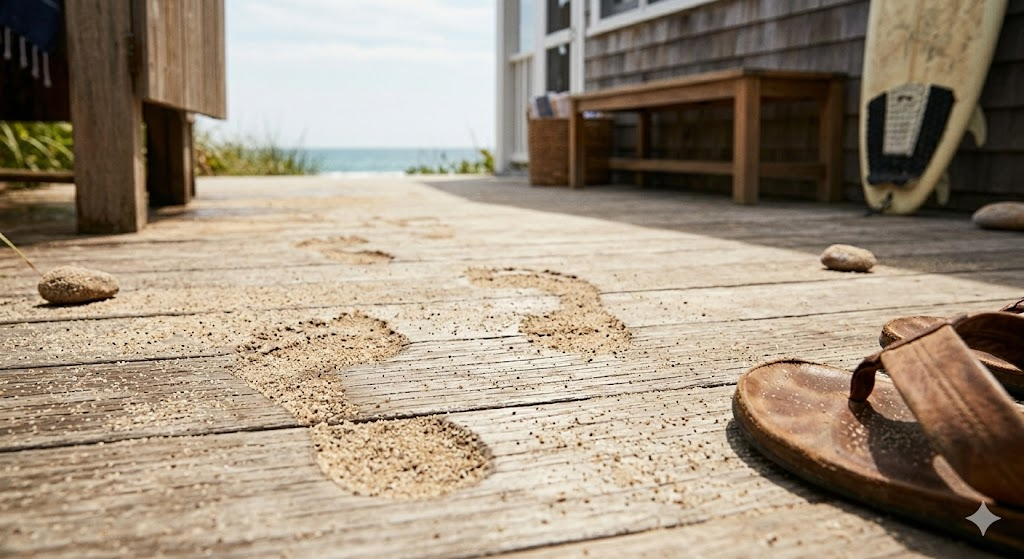
The primary enemy of a coastal home is sand. To us, it’s the essence of the beach; to your home, it’s industrial-grade sandpaper.
- Moisture Control: A post-beach indoor shower creates a massive amount of humidity and steam. By moving that ritual outside, you significantly reduce the risk of mildew and moisture buildup in your interior bathrooms—a constant challenge in humid coastal climates.
- Floor Protection: When tracked inside, sand grains act as an abrasive, grinding down the finish on expensive hardwood floors and shredding the fibers of delicate rugs.
- Plumbing Health: Indoor drains and P-traps aren’t designed to handle gallons of grit. An outdoor shower keeps the bulk of that debris out of your primary plumbing system.
The Convenience Factor

The true luxury of a beach home is the ability to move seamlessly from “surf to sofa.” An outdoor shower creates a streamlined transition, allowing you to shed the day’s debris before crossing the threshold.
Its utility extends far beyond personal hygiene:
- Gear Maintenance: A high-pressure outdoor spray is essential for rinsing corrosive salt and abrasive sand off surfboards, kayaks, and paddleboards.
- The Four-Legged Rinse: There is no easier way to wash a dog after a beach run than an open-air station.
- Guest Management: When the house is full of weekend visitors, an outdoor shower acts as a “bonus bathroom,” keeping high-traffic rinses out of your primary suites and preventing the dreaded “wet bathroom floor” syndrome.
The Sensory Experience: Why It Feels Different

Beyond the practical, there is an undeniable psychological shift that happens when you shower under the open sky. It is the ultimate “vacation mode” anchor.
Showering among coastal greenery or under the morning sun connects you to the environment in a way an indoor stall never could. It transforms a mundane chore into a spa-like ritual. From a design perspective, a well-executed outdoor shower—whether it’s minimalist cedar slats or a dramatic stone wall—becomes a stunning focal point for your landscape, signaling a home that is built for true relaxation.
Essential Design Considerations
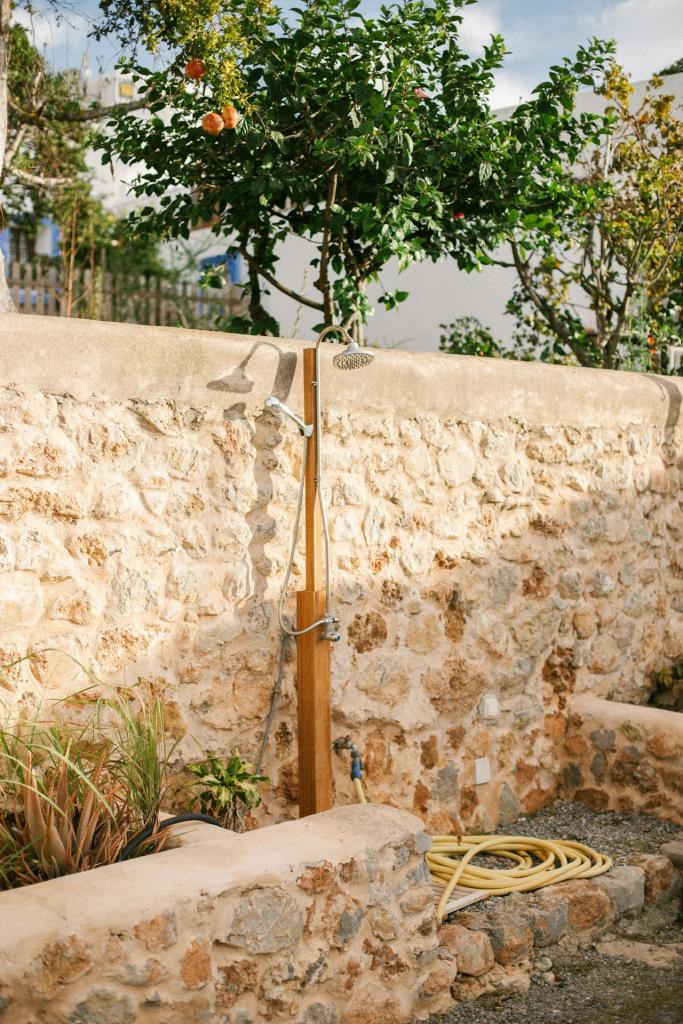
To get the most out of your investment, keep these four factors in mind:
- Drainage: Ensure the area is properly graded. If local codes allow, consider a “greywater” system that directs runoff to water-hardy, salt-tolerant landscaping—slanted cedar slats that let you see the ocean while remaining completely hidden from neighbors.
- Privacy vs. Views: Use louvered teak, frosted glass, or stone walls to create a sense of seclusion while still allowing for airflow and a glimpse of the sky.
- Plumbing Setup: While a cold-water “rinse station” is easier to install, adding a hot water line extends the shower’s usability into the chilly “shoulder seasons” of spring and autumn.
- Salt-Resistant Materials: Coastal air is brutal. Stick to high-quality materials like 316-grade stainless steel, brass, or naturally rot-resistant woods like Ipe and Teak.
While it may seem like a seasonal luxury, the return on investment for an outdoor shower is twofold. It offers immediate savings in home maintenance—fewer floor refinishes, plumbing calls, and professional rug cleanings—and it significantly boosts property value. In the eyes of a buyer, an outdoor shower isn’t just a feature; it’s the true mark of a quintessential beach home.