

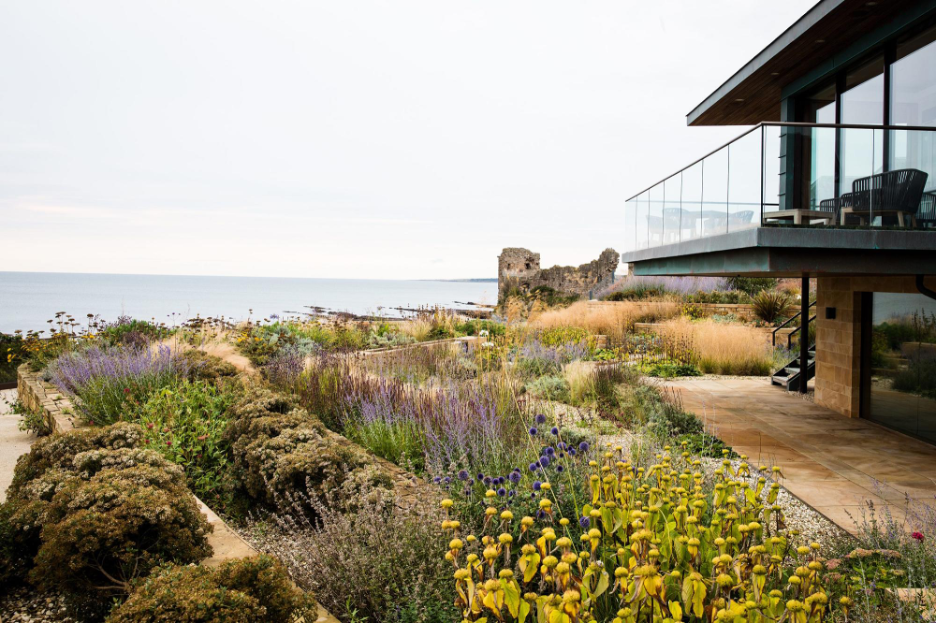
Designing a garden along the coast requires a different mindset than inland planting. Between salt spray, sandy soils, high winds, and intense sun exposure, coastal environments present a unique set of challenges that can quickly overwhelm less resilient plantings. Yet these very conditions also create an opportunity: a well-designed seaside garden can feel effortlessly integrated with its surroundings—natural, textural, and seasonally vibrant. The key is selecting plants that not only tolerate these elements but also thrive in them.
Salt-tolerant flowers and foliage offer both durability and beauty, bringing structure and color to oceanfront properties from early spring through late fall. Many of these plants are native or well-adapted to coastal climates, meaning they require less maintenance, less water once established, and fewer soil amendments. Their resilience also makes them excellent choices beyond the shoreline, particularly for homeowners seeking low-maintenance, drought-tolerant landscapes.
For coastal homeowners across the U.S.—from the rocky shores of New England to the sun-washed bluffs of California—these seven plant selections are tailored to regional conditions. Each offers visual appeal, adaptability, and a natural harmony with the surrounding environment, helping you create a garden that enhances rather than competes with your ocean view.
Upper East Coast: Rosa rugosa (Beach Rose)
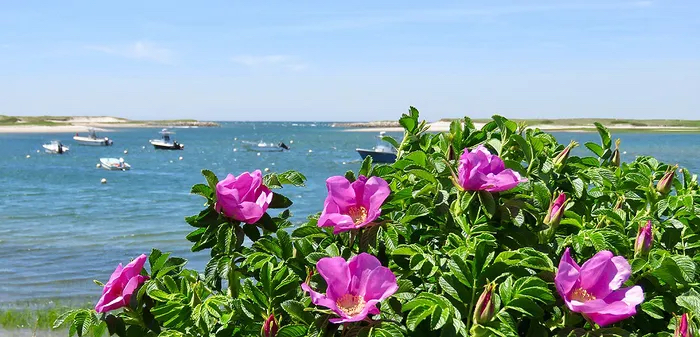
A staple of New England shorelines, beach roses are exceptionally hardy and thrive in sandy, wind-exposed environments. Their crinkled green foliage and simple pink or white blooms evoke a classic coastal aesthetic.
Growing Conditions: Full sun; prefers in-ground planting in sandy, well-draining soil.
Why It Works: Extremely salt-tolerant and cold-hardy, ideal for harsh northeastern winters.
Bloom Appearance: Fragrant, open-faced flowers followed by bright red rose hips.
Favorable Qualities: Erosion control, wildlife-friendly, low maintenance.
Planting Tips: Plant in spring or early fall; water regularly until established, then minimal watering is needed.
Mid-Atlantic Coast: Echinacea purpurea (Purple Coneflower)
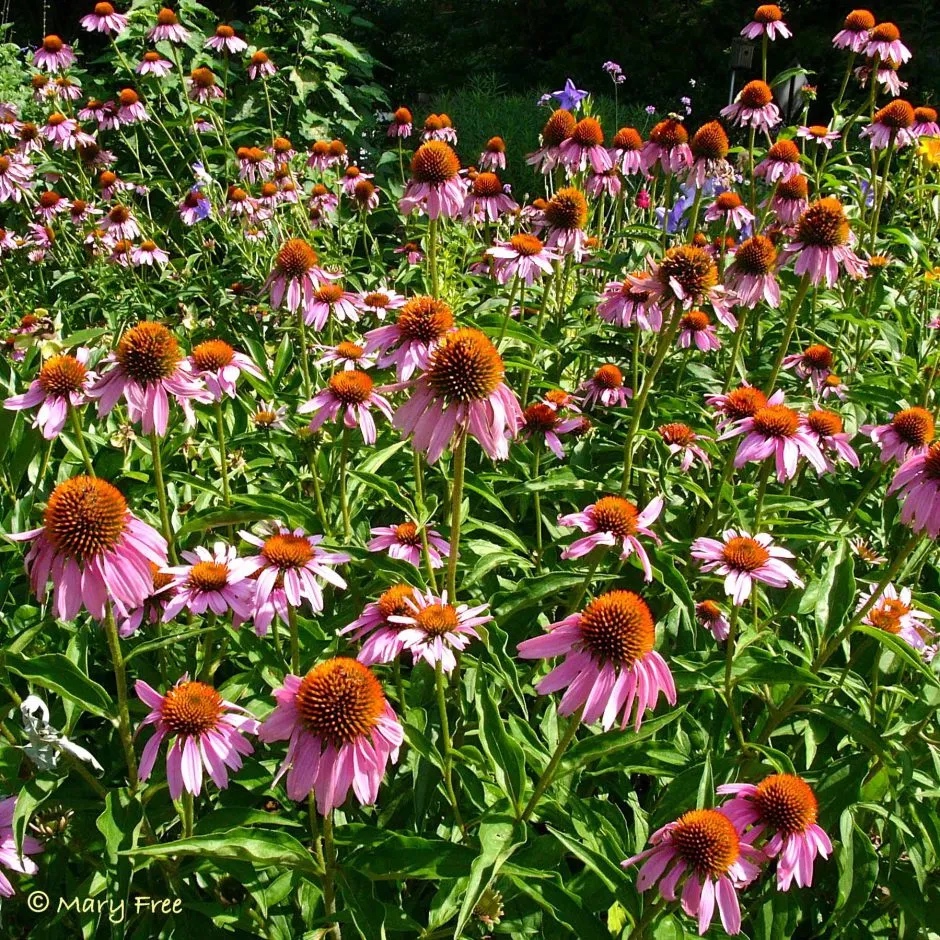
A native perennial that balances resilience with vibrant color, coneflowers are well-suited to the Mid-Atlantic’s humid summers and variable coastal soils.
Growing Conditions: Full sun to partial shade; thrives in both in-ground and large containers.
Why It Works: Tolerates drought, heat, and moderate salt exposure.
Bloom Appearance: Daisy-like purple petals with a raised copper center.
Favorable Qualities: Pollinator magnet; long blooming season.
Planting Tips: Allow soil to dry between watering; deadhead to encourage continuous blooms.
Southeastern Coast: Hibiscus rosa-sinensis (Tropical Hibiscus)
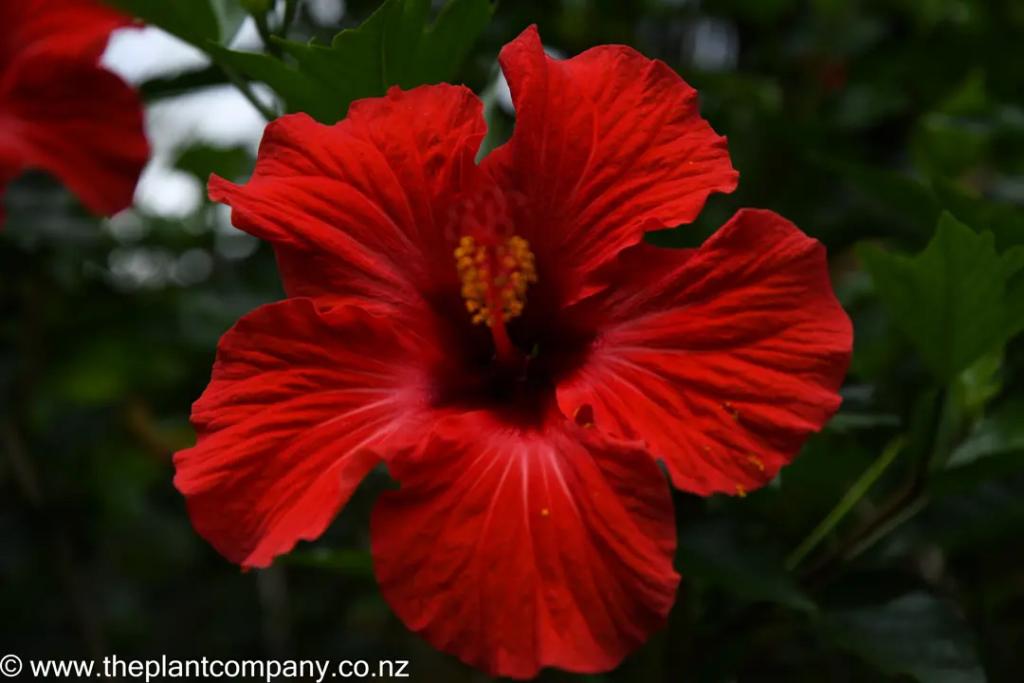
Bold and unmistakably coastal, hibiscus thrives in the Southeast’s warmth and humidity, adding a lush, resort-like feel to gardens.
Growing Conditions: Full sun; suitable for both in-ground planting and containers.
Why It Works: Handles salt air and thrives in warm, humid climates.
Bloom Appearance: Large, showy blooms in red, coral, yellow, or pink.
Favorable Qualities: Fast-growing, dramatic focal point.
Planting Tips: Keep soil consistently moist but not soggy; fertilize regularly during the growing season.
Gulf Coast: Gaillardia pulchella (Blanket Flower)
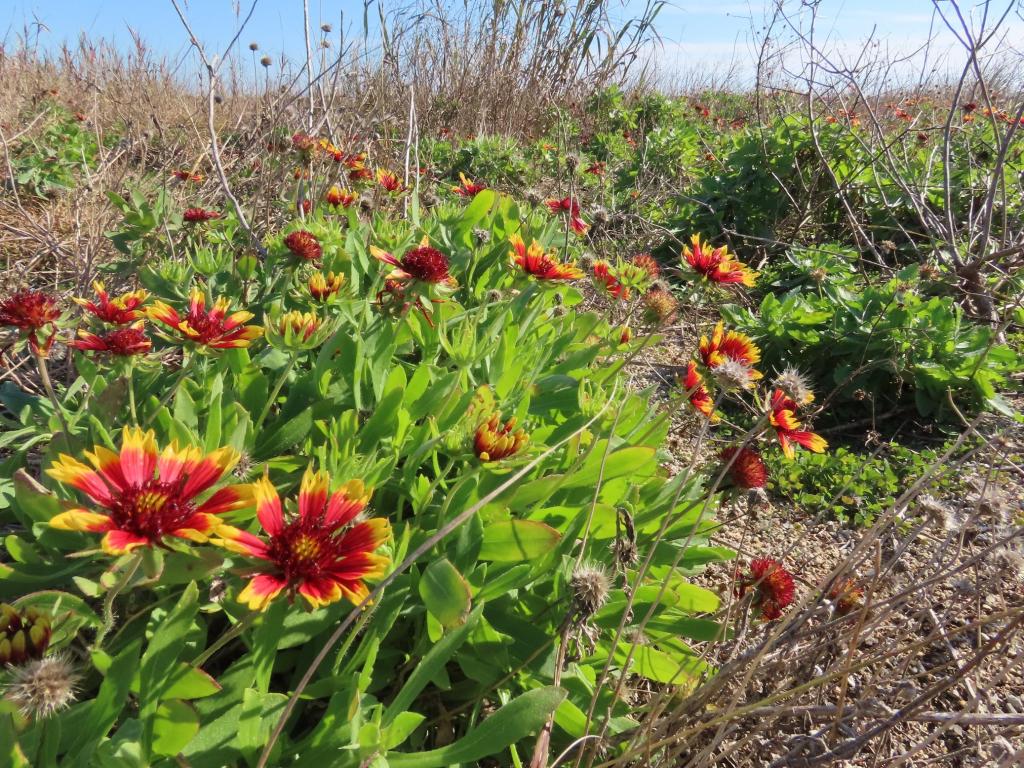
This sun-loving perennial thrives in the Gulf Coast’s heat, humidity, and sandy soils, offering continuous color with minimal care.
Growing Conditions: Full sun; best for in-ground planting but adaptable to containers.
Why It Works: Heat- and drought-tolerant with excellent salt resistance.
Bloom Appearance: Red and yellow daisy-like flowers resembling woven textiles.
Favorable Qualities: Long bloom season; low water needs.
Planting Tips: Avoid overwatering; thrives in poor soil conditions with good drainage.
Pacific Northwest Coast: Armeria maritima (Sea Thrift)
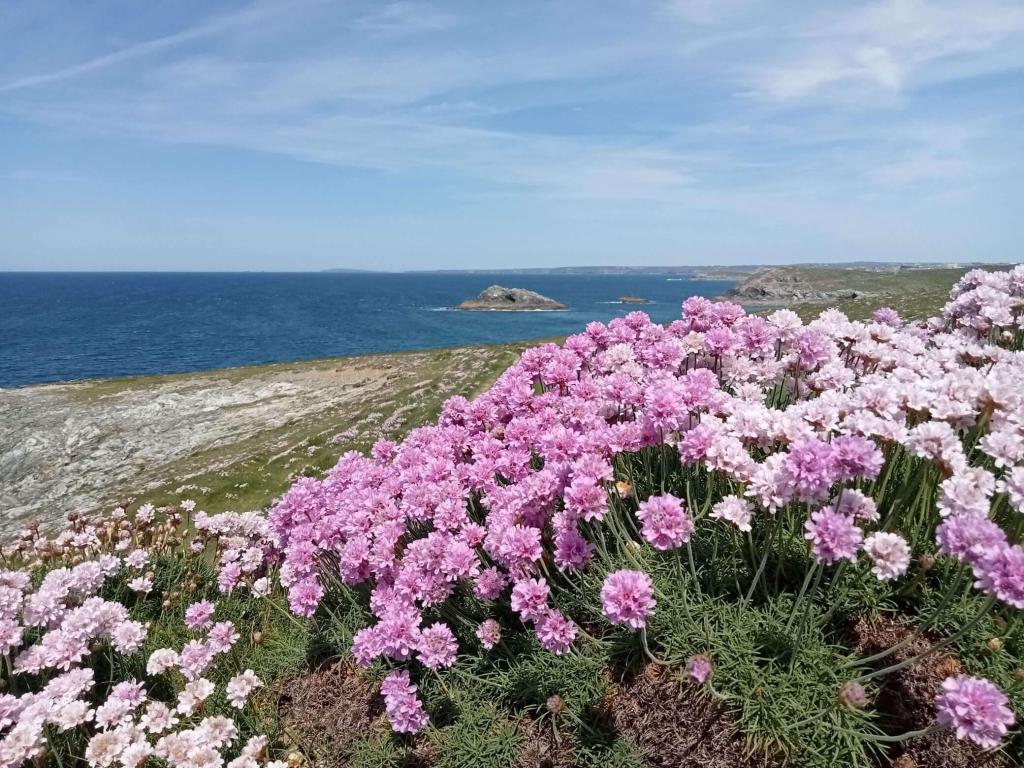
Perfect for rocky, windswept coastlines, sea thrift is a compact perennial that flourishes in the cool, moist climate of the Pacific Northwest.
Growing Conditions: Full sun to partial shade; ideal for in-ground rock gardens or containers.
Why It Works: Naturally adapted to coastal cliffs and salty air.
Bloom Appearance: Pink globe-shaped flower clusters atop grassy mounds.
Favorable Qualities: Compact size; excellent for edging and erosion control.
Planting Tips: Ensure excellent drainage; water moderately, avoiding overly wet soil.
Northern California Coast: Eschscholzia californica (California Poppy)
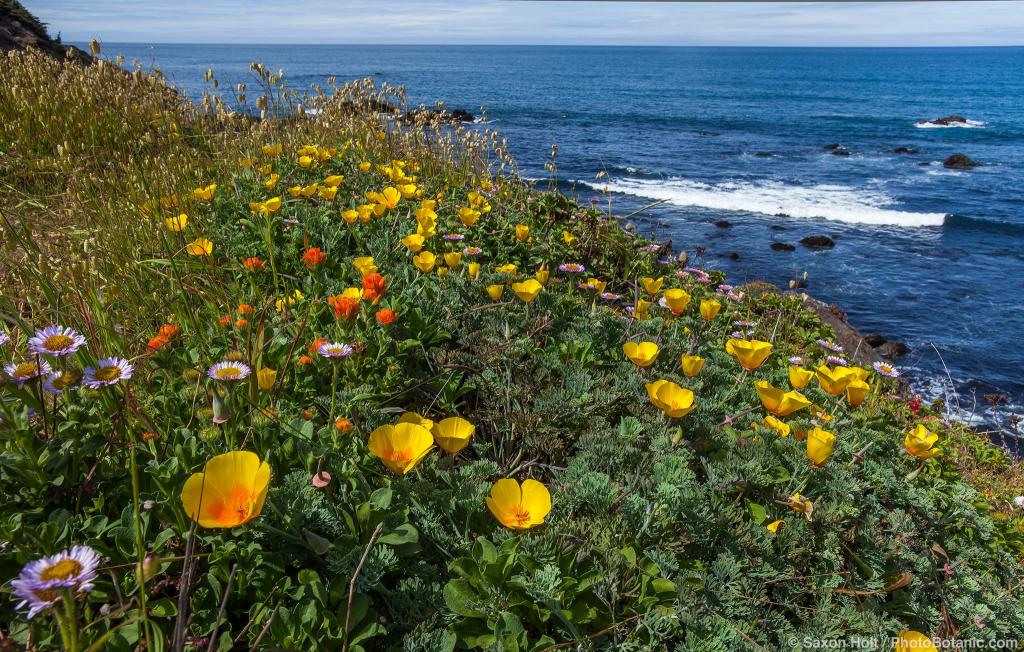
This iconic wildflower thrives in Northern California’s coastal conditions, where cool fog and sandy soils prevail.
Growing Conditions: Full sun; best suited for in-ground planting.
Why It Works: Drought-tolerant and thrives in nutrient-poor soils.
Bloom Appearance: Silky, cup-shaped flowers in vivid orange and gold hues.
Favorable Qualities: Self-seeding; low maintenance.
Planting Tips: Sow seeds directly in place; avoid overwatering to prevent root rot.
Southern California Coast: Agave attenuata (Foxtail Agave)
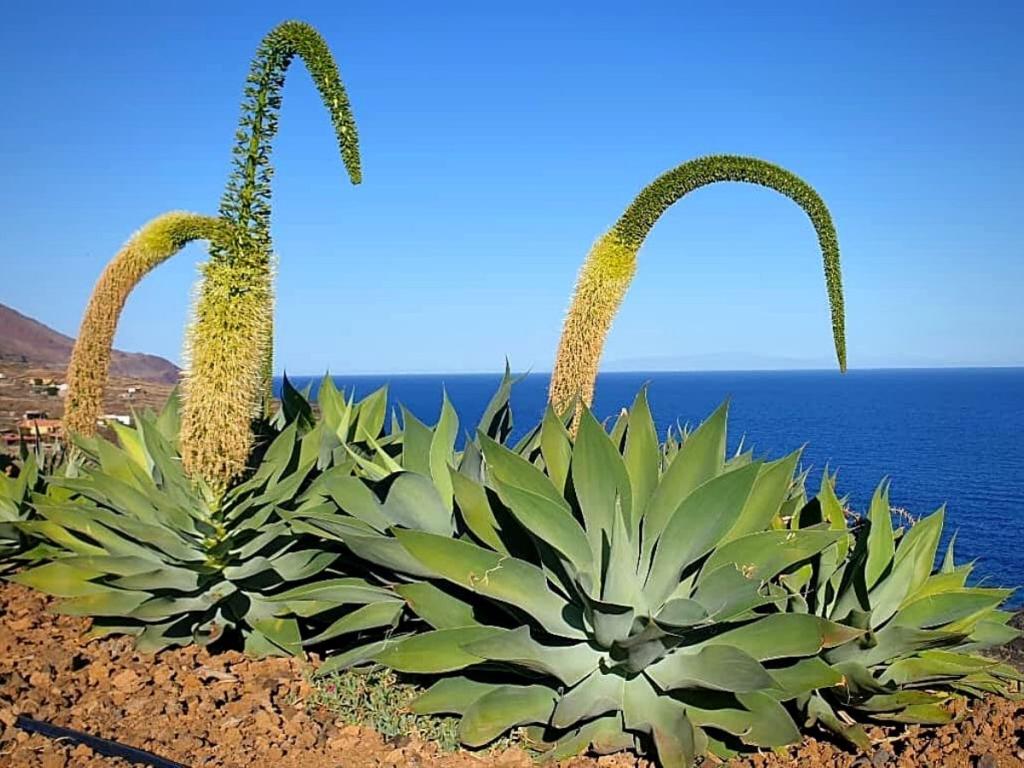
A sculptural succulent that defines modern coastal landscapes, foxtail agave thrives in Southern California’s dry, sunny climate.
Growing Conditions: Full sun to light shade; excellent for both containers and in-ground planting.
Why It Works: Highly drought- and salt-tolerant.
Bloom Appearance: Dramatic arching flower spike resembling a fox’s tail.
Favorable Qualities: Architectural form; minimal maintenance.
Planting Tips: Use well-draining soil; water sparingly once established.
A successful coastal garden is less about fighting the elements and more about working in harmony with them. By selecting plants that are naturally suited to salt air, sandy soils, and regional climate patterns, you create a landscape that feels intentional, enduring, and visually connected to its surroundings. These seven plant selections demonstrate that resilience and beauty are not mutually exclusive—in fact, they often go hand in hand. Whether your goal is to stabilize a windswept bluff, soften a structured patio, or simply introduce color that withstands coastal conditions, these adaptable varieties offer a reliable and refined foundation for seaside living. For more inspiration on living your best beach life, visit Beach Homes Lifestyles.