

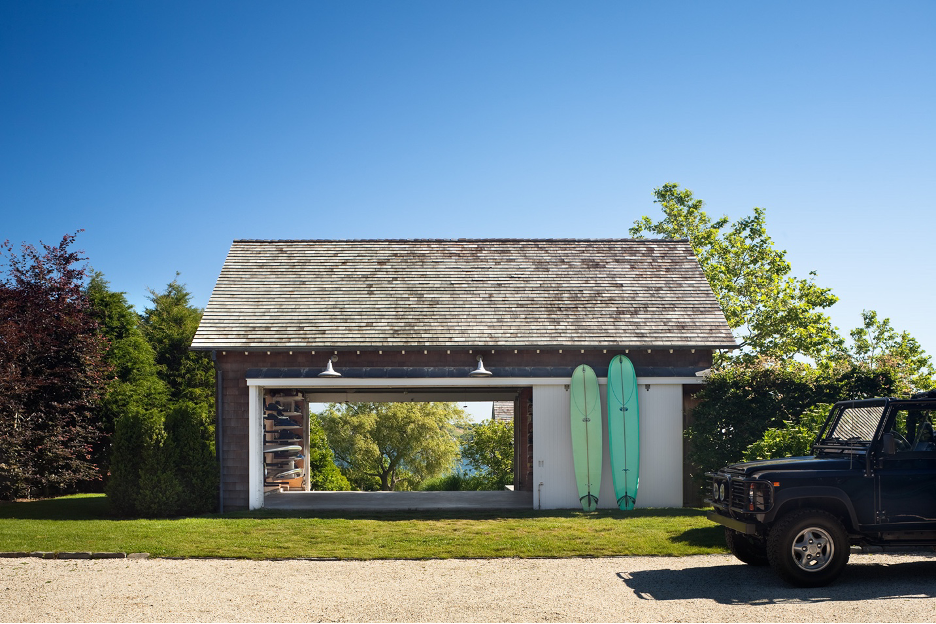
Your garage may be one of the most underused assets on your coastal property. Traditionally relegated to cars, tools, and bins, the detached garage can do far more—especially when thoughtful design turns it into an extension of the way you actually live. Along the coast, where indoor-outdoor living, visiting guests, and gear-intensive hobbies are part of the lifestyle, a well-designed garage can become a guest suite, creative studio, pool cabana, entertaining space, or highly organized beach headquarters.
The payoff isn’t only personal. A polished detached structure can improve curb appeal, add usable square footage, and make a property more compelling to future buyers. The latest Cost vs. Value data underscores the broader advantage of exterior improvements: Zonda’s 2025 report found that garage-door replacement recouped 267.7% of its cost nationally, while the Middle Atlantic reached 336.6% and New England 349.3%. That doesn’t mean every garage conversion will deliver the same return, but it does demonstrate how strongly buyers respond to well-executed exterior upgrades. The key is to make the building feel intentional—not like an afterthought—and tailor it to your region, climate, and lifestyle. For inspiration, here are six smart ways to reimagine a modern detached garage at the coast.
Create a Guest Suite or ADU
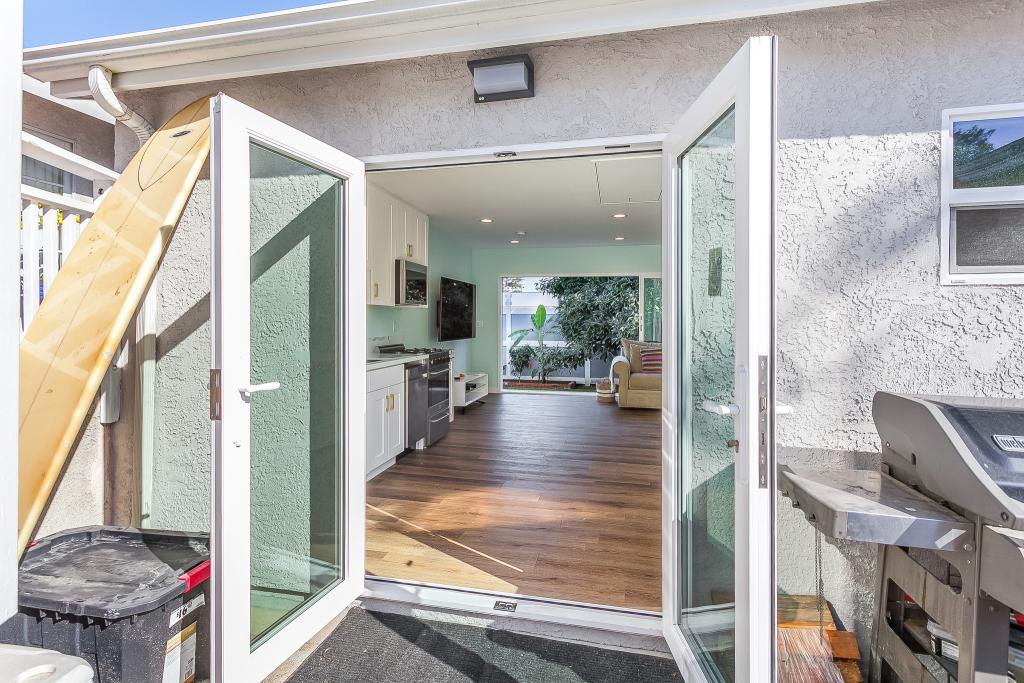
When family and friends descend on the beach house, privacy becomes a luxury. Converting the space above or beside a detached garage into a guest suite creates a comfortable retreat without sacrificing another bedroom inside the main house. Where local regulations permit, a kitchen, bath, and separate entrance can transform the structure into an accessory dwelling unit.
The easiest approach is to finish existing space rather than dramatically enlarge the footprint. Add insulation, plumbing, a compact kitchenette, durable flooring, and generous windows. In Upper East Coast communities such as Cape Cod, Nantucket and coastal Maine, prioritize insulation and weather-resistant windows. In the Mid-Atlantic, including Cape May, Rehoboth Beach and Annapolis, consider four-season flexibility. Southern California communities, meanwhile, are particularly well suited to compact, indoor-outdoor ADUs.
Turn It Into a Beach Gear Headquarters
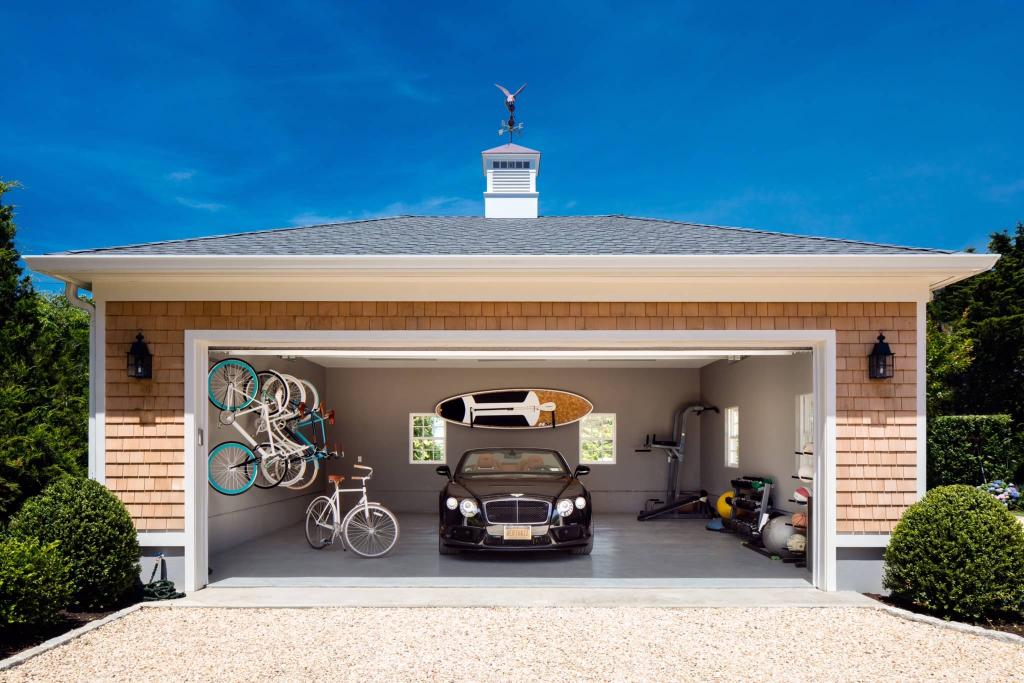
Surfboards, kayaks, paddleboards, bicycles, fishing equipment and wet towels can quickly overwhelm a coastal home. A garage designed around recreation solves the storage problem while making it easier to get outside.
Install wall-mounted racks, ceiling storage, built-in benches, drying rails, and a utility sink. A side entrance or oversized garage door can simplify loading kayaks and boards. In the Southeast and Gulf Coast, use corrosion-resistant hardware and provide plenty of ventilation. Along Southern California’s surf towns, create a dedicated board-and-bike station; in Northern California and the Pacific Northwest, enclosed, moisture-resistant storage is especially useful.
Add an Outdoor Living Room
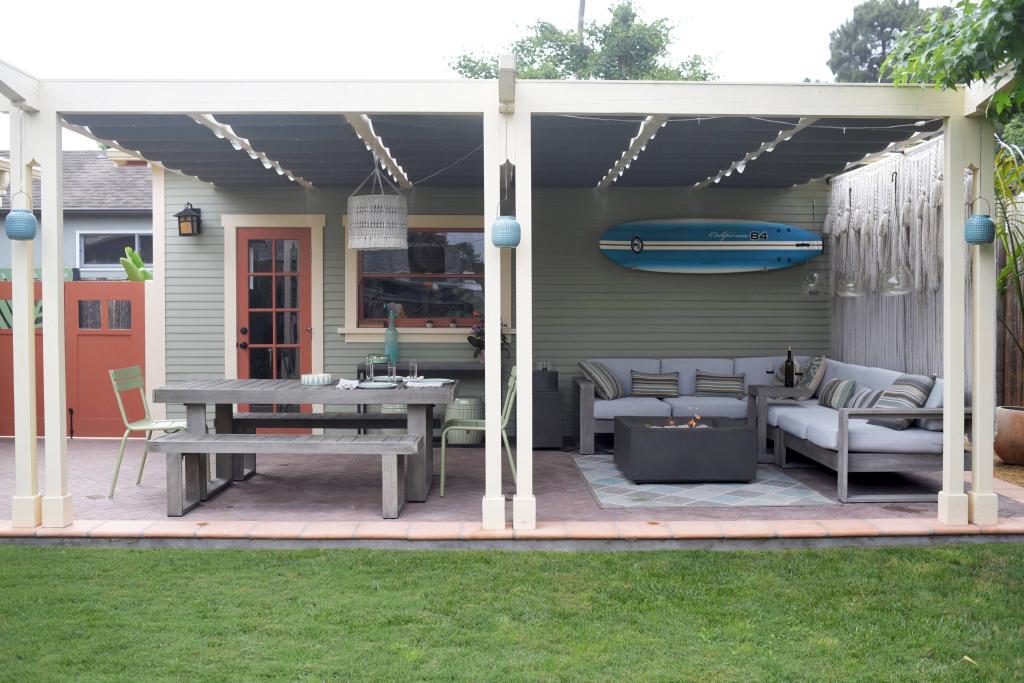
A detached garage doesn’t have to end at its walls. Adding a covered patio, pergola, or screened transition zone can turn the structure into an outdoor living destination—and create a valuable buffer between the garage and landscape.
Think lounge seating, an outdoor dining table, a grill, ceiling fans, and an outdoor shower. This approach is particularly effective in Southern California, where outdoor rooms can be used much of the year, as well as along the Southeast and Gulf Coast, where shade and airflow are essential. In Northern California, Santa Barbara, and coastal San Diego, large doors can create a seamless connection between the garage and garden.
Design a Pool House or Entertaining Pavilion
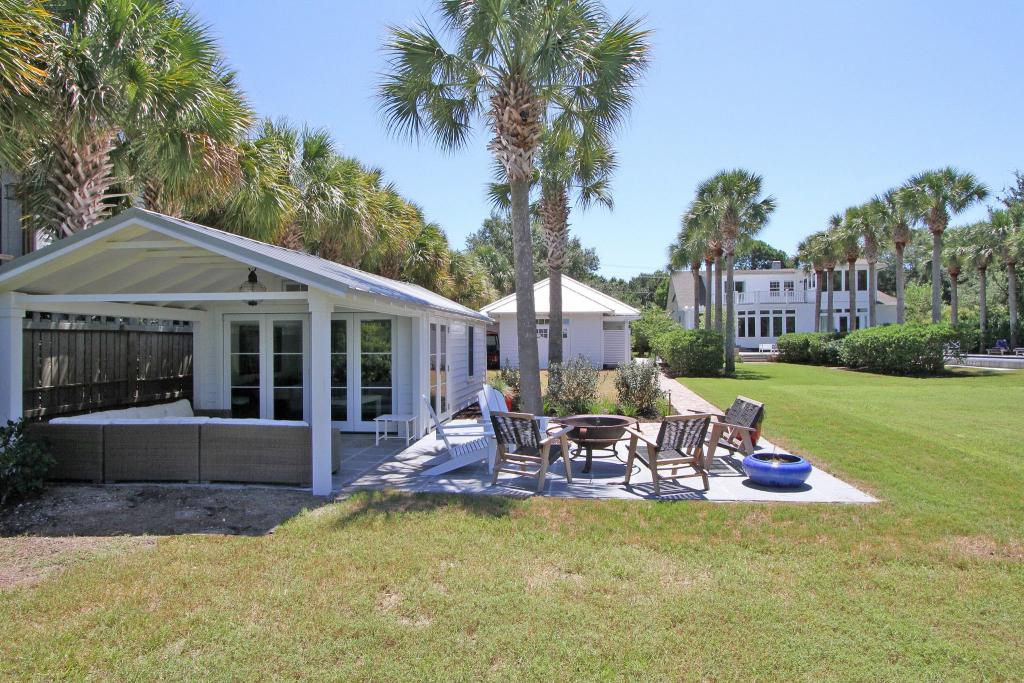
If your property has a pool—or you’re considering one—the detached garage can provide the infrastructure that makes the pool area genuinely functional. A bathroom, changing area, kitchenette, bar, or shaded lounge eliminates repeated trips through the main house.
In Florida and other Gulf Coast communities, choose mold-resistant finishes, strong ventilation, and materials that tolerate humidity. Charleston and the South Carolina Lowcountry lend themselves to open-air pavilion concepts, while coastal Florida can benefit from a more substantial pool-house arrangement.
Build a Home Office, Studio or Hobby Room
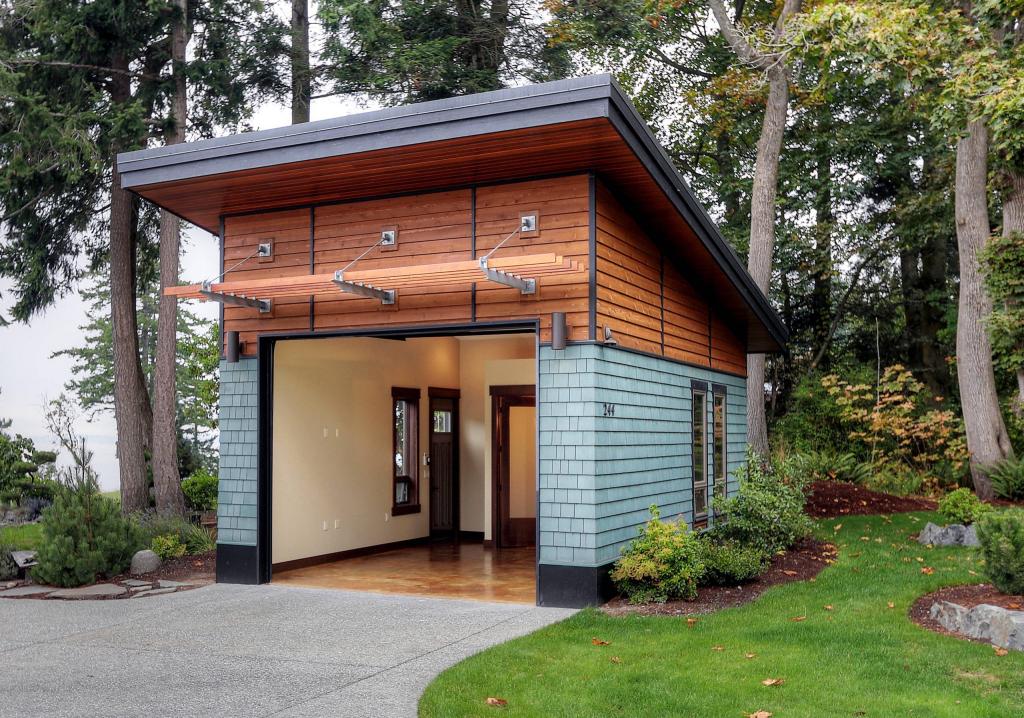
A detached garage can provide something increasingly valuable: separation. A quiet office, art studio, music room or workshop lets homeowners pursue work and creative interests without giving up another room inside the house.
Finish one bay, insulate it, add climate control, bring in natural light, and install built-in storage. In the Pacific Northwest, moisture management and daylighting should be priorities. Northern California properties can take advantage of large windows and operable doors, while Upper East and Mid-Atlantic homeowners will want good insulation and efficient heating for year-round use.
Make the Architecture Part of the Property
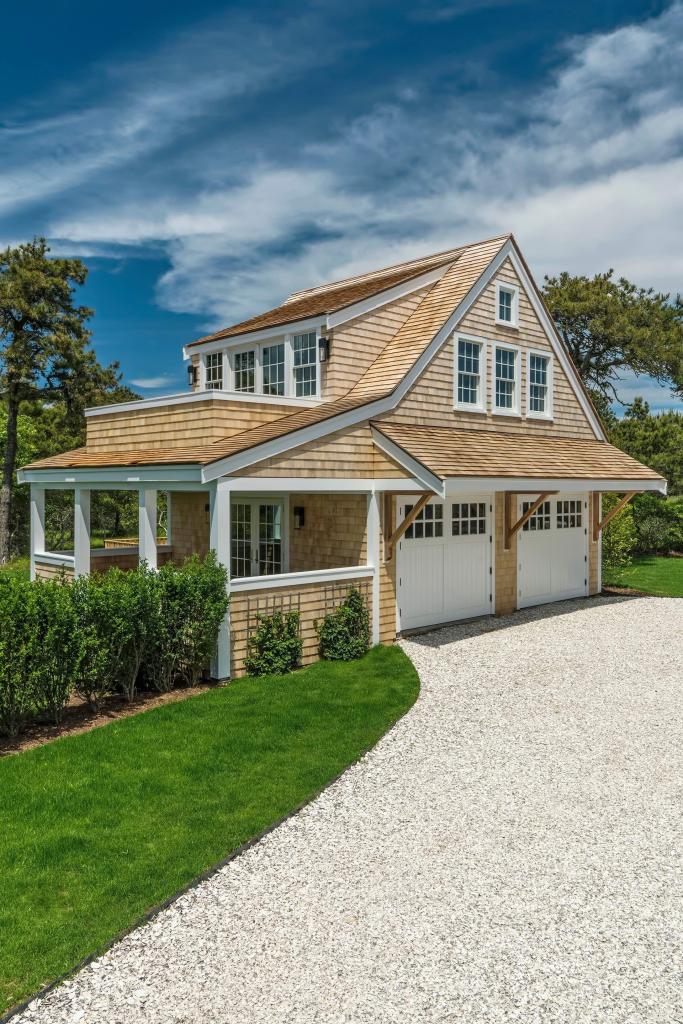
Sometimes the smartest garage renovation is less about adding a room and more about making the structure look as though it belongs. A well-proportioned roof, quality siding, attractive doors, architectural lighting, and thoughtful landscaping can transform the entire exterior.
The best approach is to complement the main house rather than create a generic outbuilding. In the Upper East, cedar shingles, divided-light windows, and classic rooflines work naturally with coastal architecture. Mid-Atlantic and Southeastern homes can borrow from shingle-style, cottage, and Lowcountry traditions. Gulf Coast properties benefit from resilient materials, while Pacific Northwest and California homes can take a more contemporary direction with wood, metal and expansive glazing.
The most successful detached-garage renovation isn’t necessarily the most elaborate. It is the one that solves a genuine problem while making the property more enjoyable, visually coherent, and adaptable. Before investing, check local zoning, floodplain requirements, setbacks, historic-district rules, and regulations governing ADUs or habitable space. Then prioritize coastal durability: corrosion-resistant hardware, appropriate roofing, moisture control, impact-rated openings where required, and finishes suited to the local climate. Whether the result is a private retreat in Maine, a surf headquarters in Southampton, a pool pavilion in South Carolina, an outdoor living room in Santa Barbara, or a modern studio in Washington, the detached garage can become one of the most useful—and surprisingly valuable—spaces on a coastal property. For more about living your best beach life, visit Beach Homes Lifestyles.