

To the naked eye, the coastline often appears as a picture of pristine vitality. However, beneath the turquoise surface of some of our most coveted coastal destinations, a quiet crisis is unfolding. Known as “Dead Zones,” these areas of the ocean are becoming biological deserts, stripped of the very element that sustains life: oxygen.
What is a “Dead Zone”?
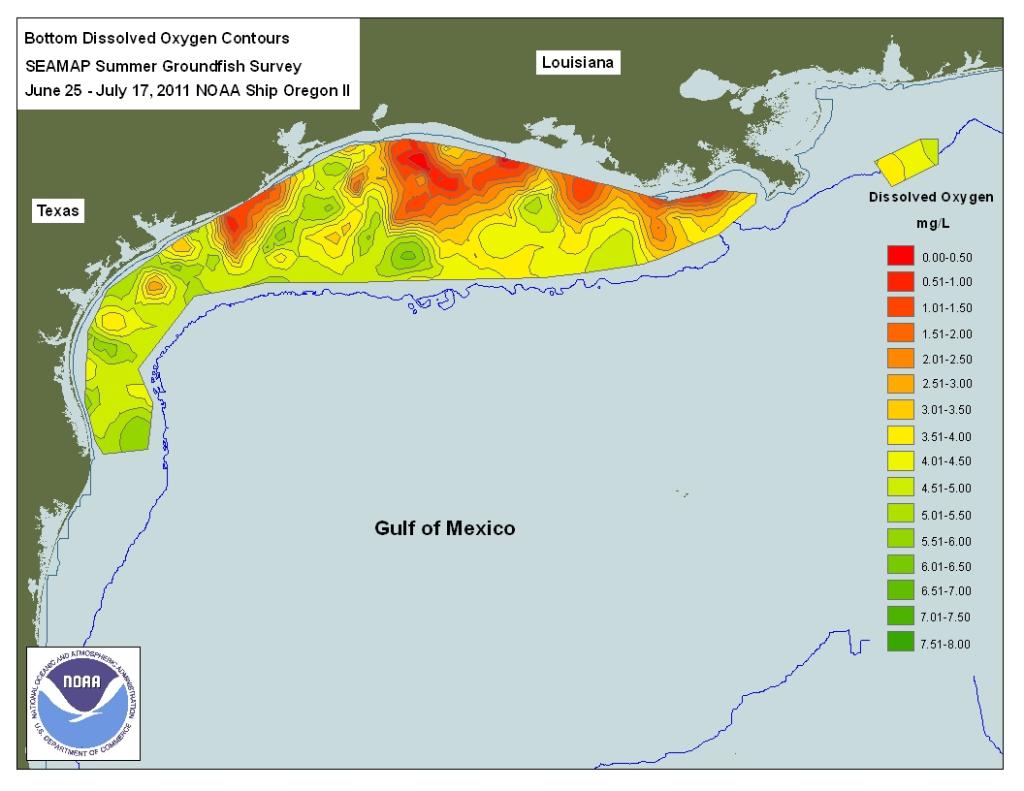
In scientific terms, a dead zone is an area of hypoxia. This occurs when the concentration of dissolved oxygen in the water column drops to a level (typically below 2 milligrams per liter) where most marine organisms can no longer survive.
What makes dead zones particularly insidious is their invisible nature. Unlike an oil spill or plastic pollution, a hypoxic zone doesn’t always change the color or clarity of the water. You could be looking out at a stunning, clear horizon while, just a few meters below, the seafloor is littered with life forms that simply couldn’t breathe.
The Lifecycle of a Dead Zone: Eutrophication
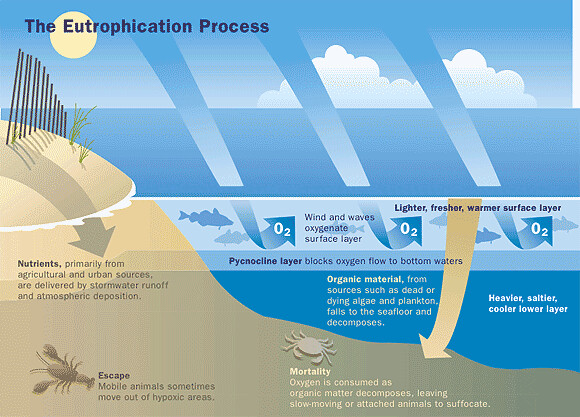
The birth of a dead zone follows a predictable, yet devastating, biological chain reaction called eutrophication. Here is the eutrophication process:
- Nutrient Overload: It begins on land. Excess nitrogen and phosphorus—primarily from agricultural fertilizers, untreated sewage, and suburban lawn runoff—wash into the ocean.
- The Algal Bloom: These nutrients act as “super-food” for microscopic algae. This results in massive surface blooms that can cover hundreds of square miles.
- The Oxygen Sink: As the algae eventually die and sink to the ocean floor, they are decomposed by bacteria. This process requires staggering amounts of oxygen.
- Suffocation: In the lower water column, the bacteria consume oxygen faster than the ocean can replenish it, leaving bottom-dwelling species like crabs, shrimp, and slow-moving fish with nowhere to go.
Why They Thrive Near Our Shorelines
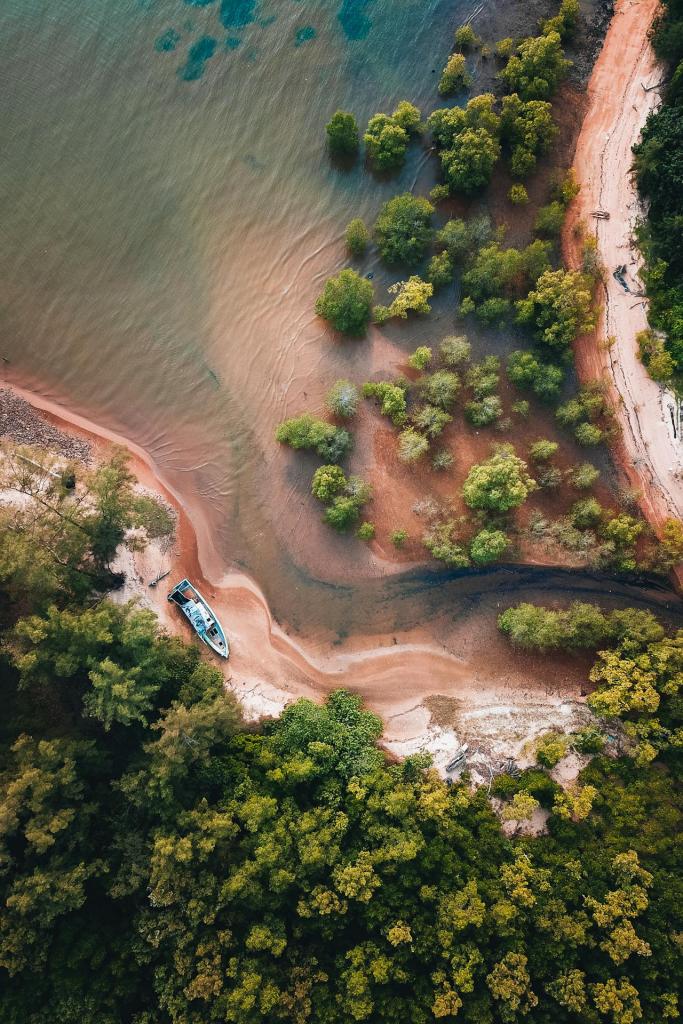
Dead zones aren’t typically found in the deep, open ocean; they are a coastal phenomenon.
- River Discharge Zones: Areas near major river mouths—like the Mississippi in the U.S. or the Yangtze in China—are at the highest risk because they act as funnels for entire continents’ worth of runoff.
- Stagnant Topography: Semi-enclosed bodies of water, such as the Chesapeake Bay or the Gulf of Mexico, have limited water circulation. Without the “flushing” action of the open sea, low-oxygen water sits and “festers.”
- The Temperature Factor: As sea temperatures rise, the water becomes more “stratified” (layered). Warm surface water acts like a lid, preventing oxygen from the air from mixing with the cooler, deeper water.
The Impact on Coastal Life and Property
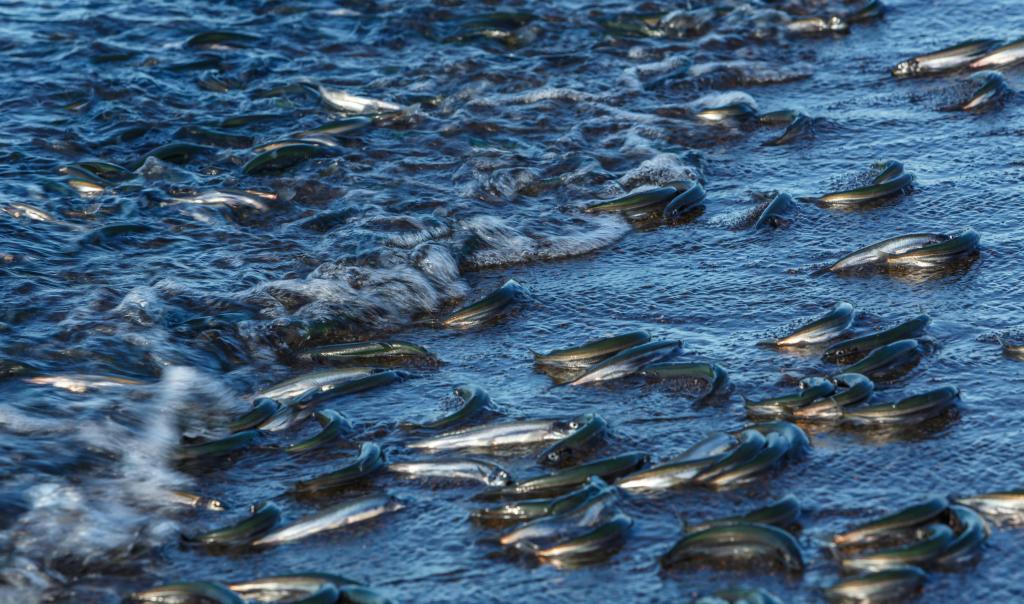
For those who love the beach lifestyle, dead zones represent a significant threat to both the environment and the economy.
- Mass Fish Kills: When a dead zone shifts toward the shore due to wind or currents, it can result in thousands of dead fish washing up on private beaches overnight. This is not only a biological tragedy but a major deterrent for tourism and a blow to property desirability.
- Habitat Loss: Essential “nurseries,” such as seagrass beds and coral reefs, are choked out, leading to a long-term decline in local biodiversity.
- Economic Toll: Beyond property values, dead zones devastate local fisheries, driving up the cost of seafood and destroying the livelihoods of coastal communities.
Global Hotspots: Dead Zones are Seen Worldwide
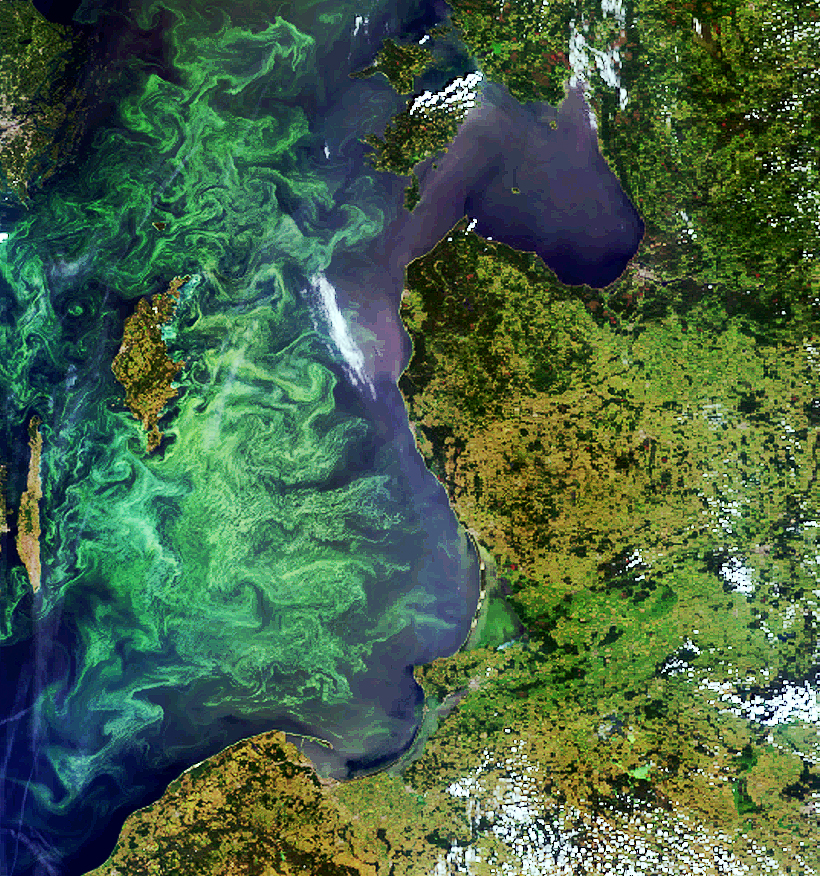
Dead zones are a global epidemic, with over 400 identified worldwide. Notable examples include:
- The Gulf of Mexico: Home to one of the world’s largest recurring dead zones, often reaching the size of New Jersey during the summer months.
- The Baltic Sea: Perhaps the most extreme example, where stagnant deep waters have created a persistent hypoxic environment for decades.
- The Chesapeake Bay: A high-profile case study in how dense coastal populations and inland farming can overwhelm a delicate estuary.
Prevention: Protecting the Blue Horizon
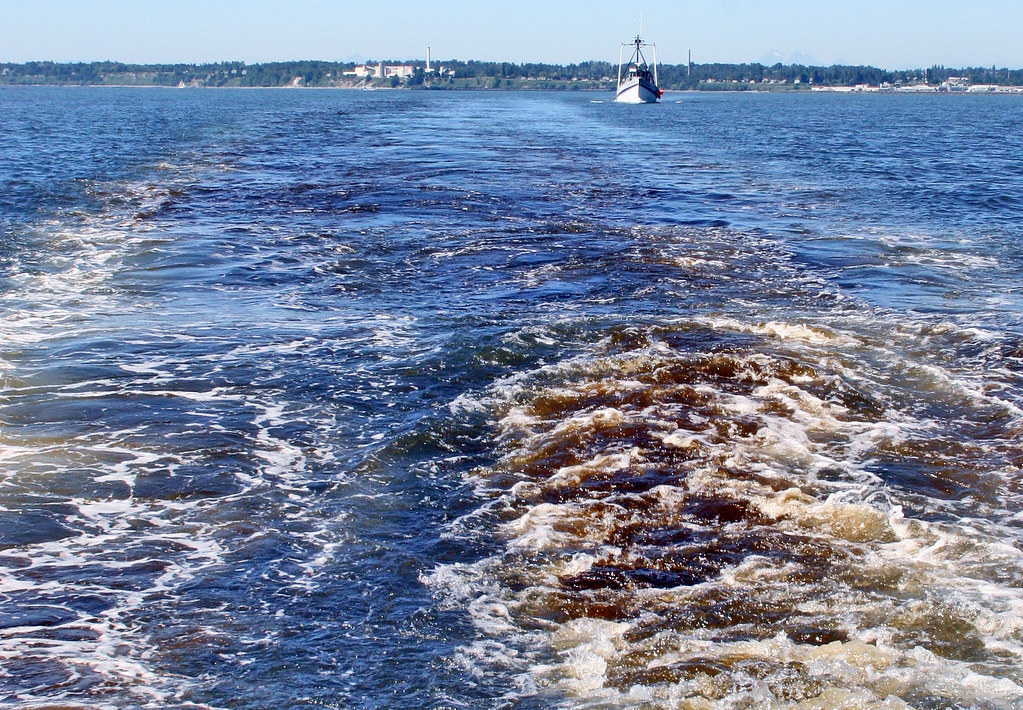
While the scale of dead zones is daunting, they are not irreversible. Protecting our coastal views requires a commitment to what happens under the waves.
- Oceanic Buffer Zones: Restoring mangroves, marshes, and wetlands is vital. These ecosystems act as the “ocean’s kidneys,” filtering out nitrogen and phosphorus before they ever reach the sea.
- Sustainable Coastal Landscaping: Homeowners can lead the charge by switching to “Ocean-Friendly” fertilizers or native landscaping that requires no chemical inputs, preventing harmful runoff from their own backyards.
- Marine Protected Areas (MPAs): By designating zones where ecosystems are left undisturbed, we build the resilience necessary for the ocean to bounce back from seasonal oxygen dips.
If you enjoyed this article, you might also like: Owning Paradise: Navigating Wildlife Regulations at Your Beachfront Property