

Living by the shore offers unparalleled views and refreshing breezes, but the very elements that make beach living beautiful—salt, sand, and sun—are often the greatest enemies of your home’s insulation. For coastal homeowners, standard weatherproofing isn’t enough; you need a strategy tailored to the unique demands of the seaside environment.
Why Coastal Insulation is Different
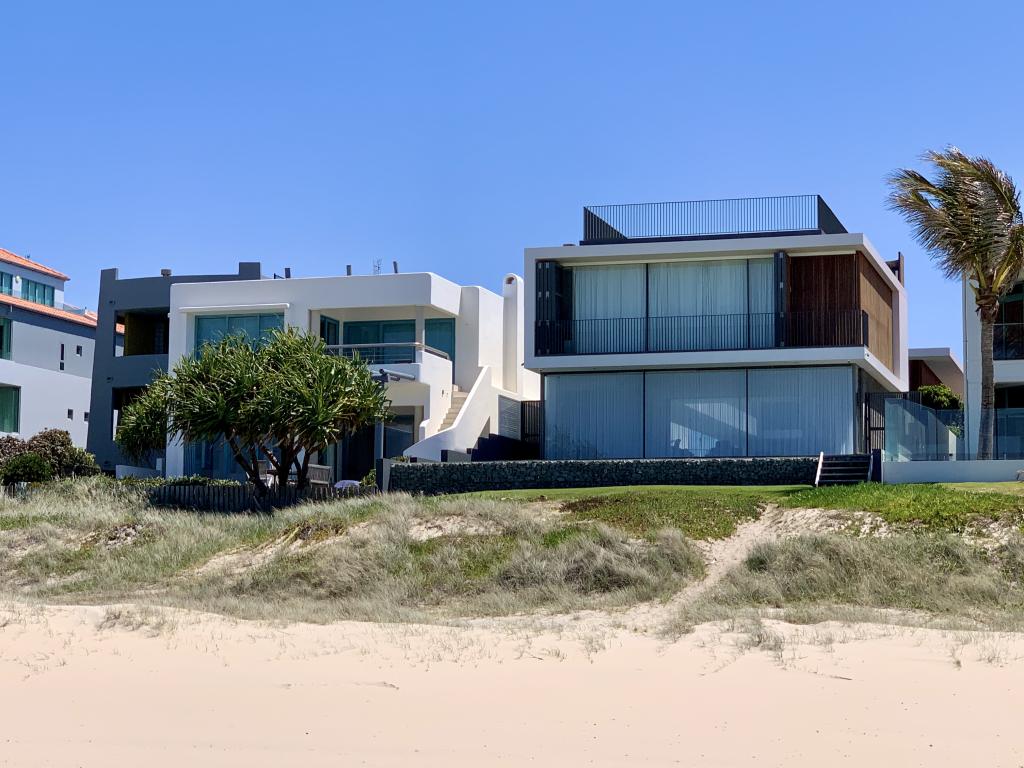

Coastal insulation must withstand a relentless cycle of environmental stressors.
- The “Salt & Sand” Factor: Salt air is highly corrosive, eating away at standard metal hardware and degrading rubber seals faster than in inland climates. Fine sand acts as an abrasive, getting into tracks and further compromising airtight seals.
- Climate Control Goals: In a coastal home, the goal is two-fold: keeping the cool air-conditioned air inside during blistering summers and keeping high humidity out year-round to prevent mold and discomfort.
- Energy Efficiency: High sun exposure can turn your home into an oven. Proper insulation significantly reduces utility bills by lessening the load on your HVAC system.
Sealing Windows: The Front Line of Defense
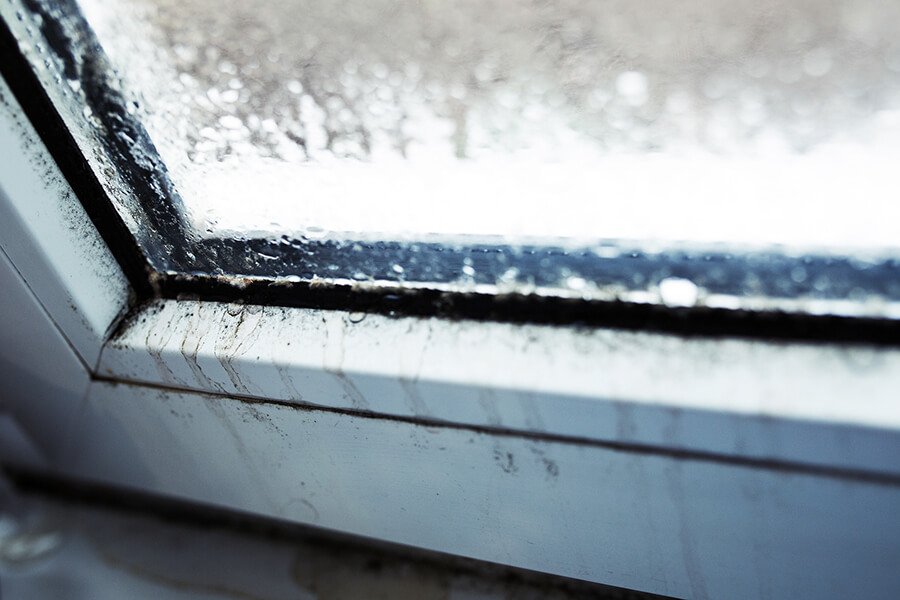
Windows are often the weakest link in a home’s thermal envelope, especially when facing the ocean.
- Check for “Salt Pitting”: Regularly inspect your frames. Salt can cause pitting in aluminum and other metals, creating tiny gaps that break the airtight seal.
- Glazing Upgrades: Move beyond single-pane glass. Double or triple-pane windows with Low-E (low-emissivity) coatings are essential for reflecting infrared light and blocking UV rays that fade furniture and heat interiors.
- Gas Fills: High-performance windows often use Argon or Krypton gas between the panes. These gases are denser than air and provide a superior thermal barrier to prevent heat transfer.
- Impact-Resistant Glass: While primarily designed for storm safety, the laminated layers in impact-rated windows provide a secondary benefit: exceptional insulation and noise reduction.
Sealing Doors and Entryways: Threshold Defense
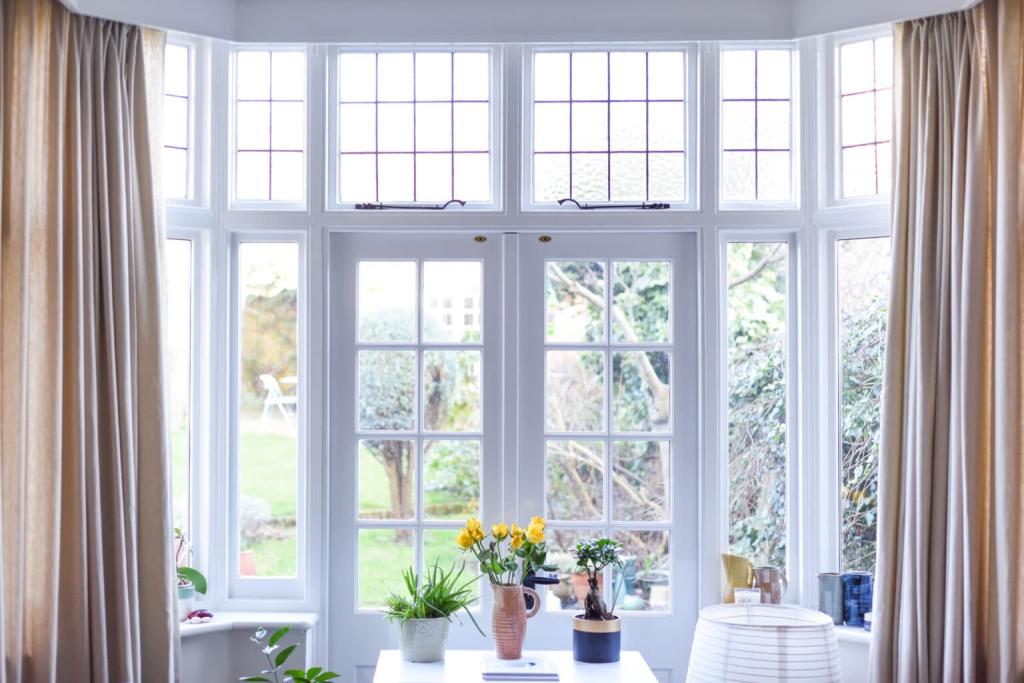
Entryways and sliding glass doors take the brunt of wind-driven rain and sand.
- Material Audit: Avoid wood, which warps in high humidity, and metal, which is prone to rust. Instead, opt for fiberglass or vinyl doors, which are stable, durable, and highly resistant to the salt air.
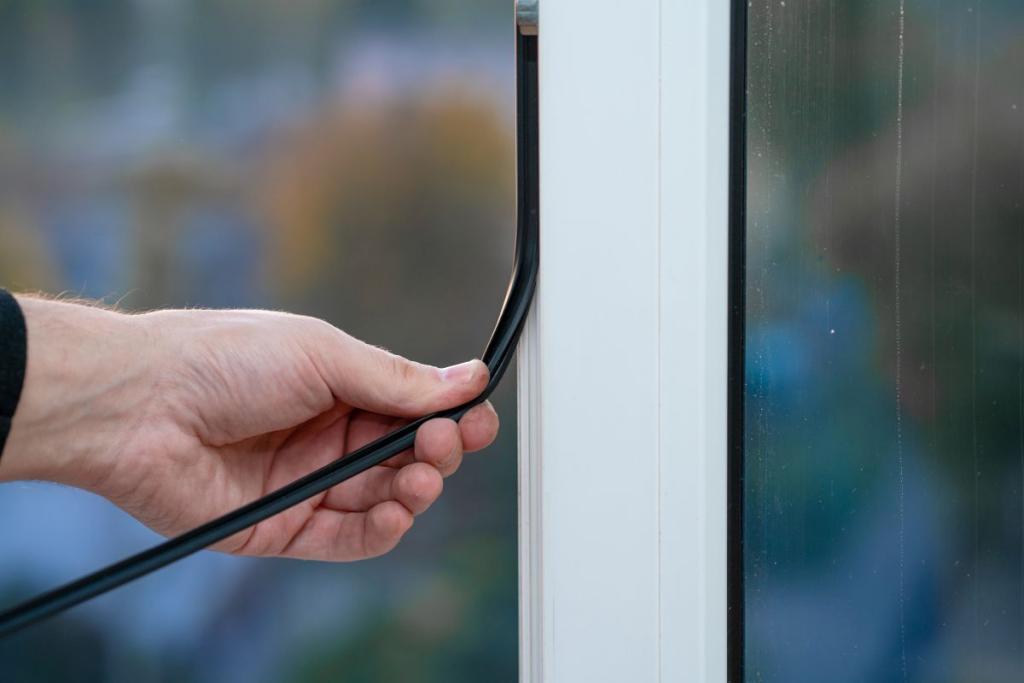
- High-Performance Weatherstripping: Standard foam often disintegrates in coastal heat. Replace it with silicone or EPDM rubber, materials that resist UV and salt degradation over time.
- Door Sweeps: Install heavy-duty sweeps to block fine beach sand and drafts from creeping under the door during high-wind events.
Sealant & Caulking: Air Leaks Checklist

The “skin” of your home needs to be flexible and durable to prevent air leaks through cracks.
- Exterior Perimeter Inspection: Look closely at the transition where the window and door frames meet the siding. Even small cracks can allow humid, salty air to penetrate your walls.
- Coastal-Grade Caulk: Don’t use cheap latex. Select 100% silicone or high-grade polyurethane sealants. These remain flexible and won’t crack under the intense coastal sun.
- Internal Draft Seals: Don’t forget the inside. Check for air leaks around the interior trim and re-seal any gaps to ensure a complete thermal break.
Set Regular Coastal Maintenance Inspection Schedule
In a marine environment, “set it and forget it” does not apply.
- The Six-Month Inspection: Walk your property twice a year, ideally after hurricane or “big surf” seasons, to check for seal failures or hardware corrosion.
- Lubrication: Use marine-grade lubricants on hinges, locks, and sliding tracks to prevent sticking and ensure a tight, secure close every time.
- Clean the Weep Holes: These small holes in window frames allow water to drain out. Ensure they aren’t clogged with sand, which can cause water to back up and ruin your seals.
Seek Professional Help vs. DIY
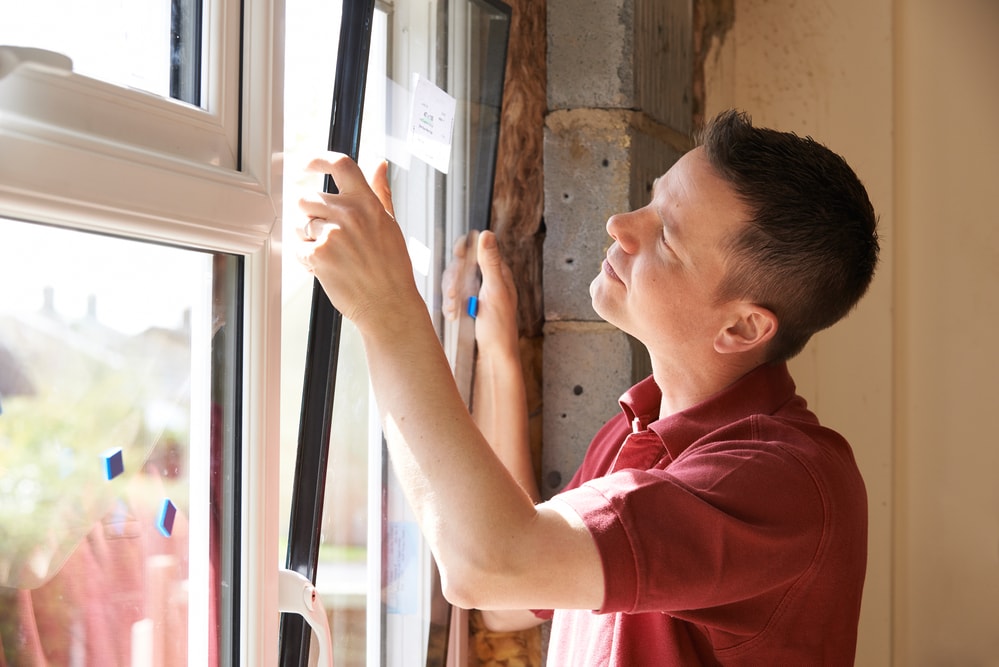
Small cracks and old weatherstripping are easy enough to handle on a Saturday morning. However, if you notice significant fogging between window panes (a sign of seal failure) or if your energy bills remain high despite your efforts, it’s time to call a coastal specialist. A professional can perform a thermal leak audit to find the “invisible” holes that are letting your cool air escape to the ocean.
Need more beach home improvement tips? Check out our other resources on Beach Homes Lifestyles.