

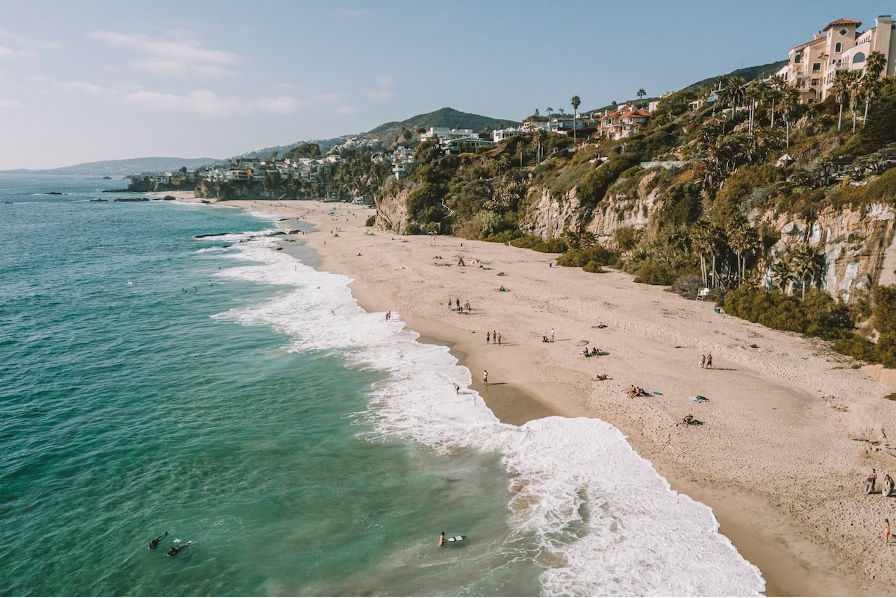
Beachcombing in California offers a different vibe than other American coastlines. The state’s beaches stretch from rugged, fog-laced coves in the north to wide Southern California strands framed by cliffs, surf culture, and coastal neighborhoods. That geographic range creates unusually diverse conditions for beachcombers. Some beaches are ideal for searching tide pools and driftwood after winter swells, while others are known for sea glass, shells, agates, or remnants washed ashore by Pacific currents. The activity itself appeals to people who prefer a slower, more observant experience at the shoreline. Walking long expanses of sand provides low-impact exercise, steady ocean air, and an opportunity to disconnect from crowded routines. Notably, beachcombing is popular for those seeking relaxation and discovery on the coast.
Beachcombing in California also requires awareness of local environmental regulations. Certain State Parks and protected coastal areas prohibit the removal of shells, rocks, driftwood, marine life, or historical artifacts. Rules vary depending on whether the beach is a public shoreline, marine reserve, or protected habitat. Before collecting natural treasures, visitors should check local regulations and posted signage to avoid disturbing fragile ecosystems or violating park rules. Responsible beachcombing helps preserve the coastline while still allowing visitors to enjoy the thrill of discovery. Below, in no particular order, are some of California’s most iconic beachcombing destinations. In fact, beachcombing enthusiasts often plan trips around these unique coastal sites.
Glass Beach — Fort Bragg, Northern California
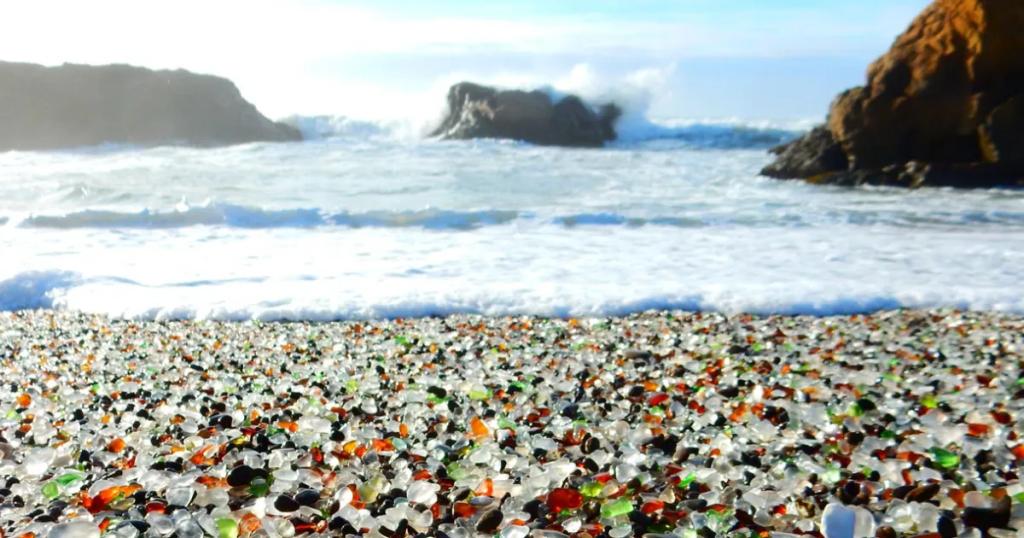
Glass Beach is located within MacKerricher State Park near the Mendocino Coast. The beach sits below rugged bluffs and rocky headlands typical of Northern California’s dramatic shoreline. Dense fog, pounding surf, and cool temperatures create an atmosphere that feels remote even during summer months. The beachcombing here is unique among California destinations.
What makes Glass Beach unique is its abundance of smooth sea glass created from decades-old discarded bottles and household glass worn down by Pacific waves. While far less glass remains than in previous decades, careful observers can still spot small polished fragments in shades of green, amber, blue, and occasionally red. Tide pools also reveal sea anemones, crabs, and small fish during low tide. Dogs are allowed in certain nearby park areas if leashed, though restrictions vary by trail and beach section.
Agate Beach — Sue-Meg State Park, Trinidad, Northern California
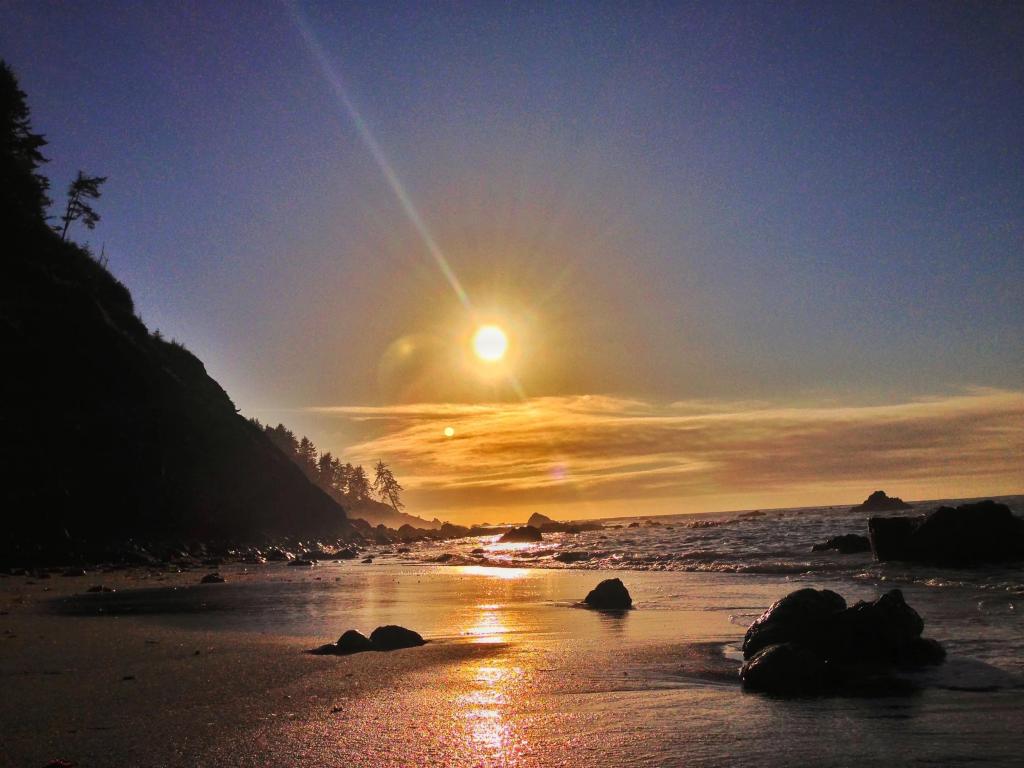
Agate Beach County Park sits just outside the small coastal town of Trinidad in Humboldt County. Reached by a steep trail descending through spruce and coastal vegetation, the beach opens onto a broad shoreline backed by forested bluffs and offshore rock formations.
The beach is known for semi-precious agates, jasper, and polished stones revealed after strong surf and shifting tides. Winter and early summer storms often rearrange the shoreline, exposing new material for collectors to examine. Driftwood is abundant here, adding to the setting’s rugged character. Because of the steep access trail and uneven terrain, beachcombing feels more exploratory than leisurely. Dogs are generally allowed on leashes, making it popular with hikers and coastal walkers traveling with pets. Overall, beachcombing at Agate Beach offers visitors a sense of adventure.
Moonstone Beach — Cambria, Central California
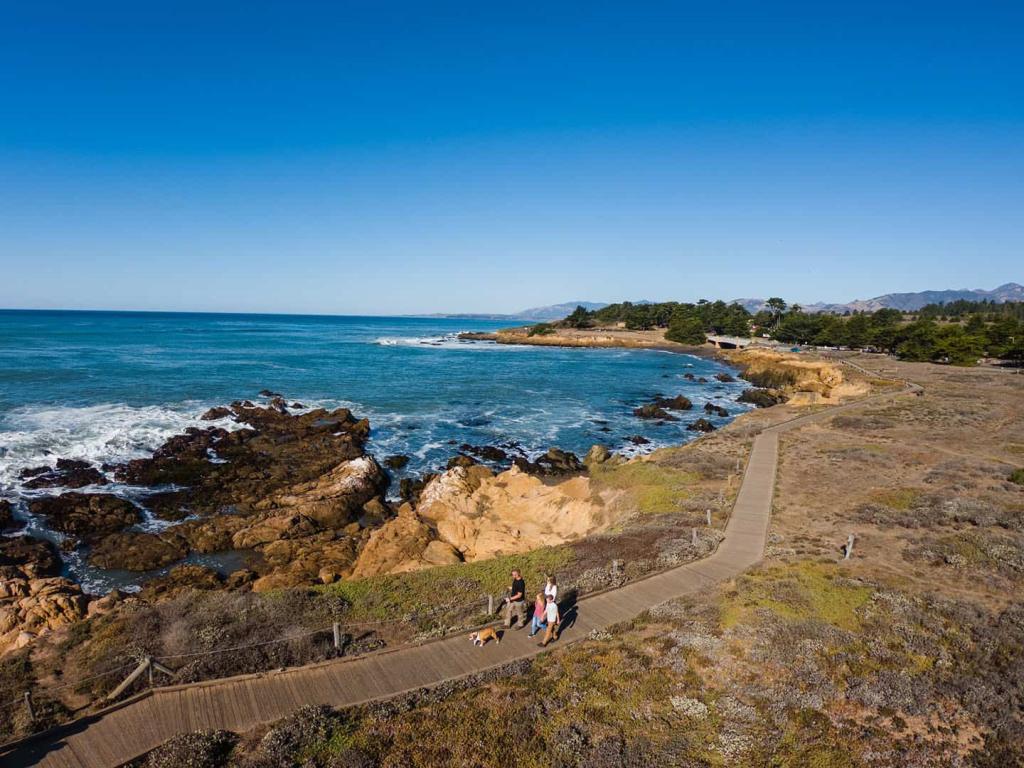
Moonstone Beach is a public beach along California’s Central Coast, located just north of San Simeon. The shoreline combines rocky coves, boardwalk access, cypress trees, and rolling surf, creating one of the most visually balanced coastal landscapes in the state.
Beachcombers visit primarily for smooth moonstones, colorful pebbles, driftwood, and shells deposited along the tide line. The beach is especially rewarding after high surf events, when the ocean shifts sediment and reveals new stones. Sea otters are frequently spotted offshore, and migrating whales occasionally pass through. Unlike some steeper Northern California beaches, Moonstone Beach offers easier walking conditions and a long boardwalk that encourages extended strolls. Dogs are allowed on leashes, and the area is particularly accommodating for travelers seeking a relaxed yet active coastal outing.
Pfeiffer Beach — Big Sur, Central California
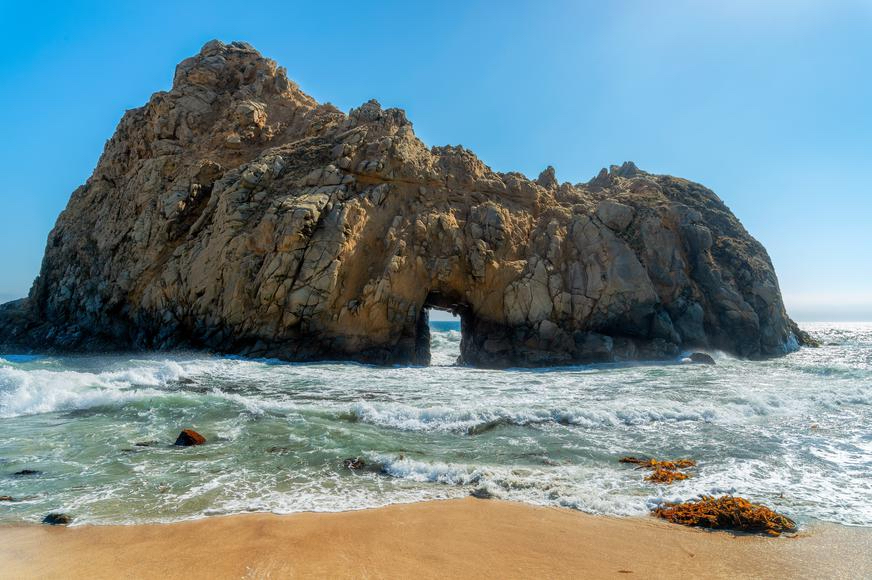
Pfeiffer Beach is part of the Los Padres National Forest region along the Big Sur coastline. Hidden at the end of a narrow road west of Highway 1, the beach is known for its towering rock formations, steep cliffs, and shifting purple-tinted sand created by manganese garnet deposits in nearby hillsides.
The beach attracts beachcombers interested less in traditional shell collecting and more in unusual geological features. Depending on tide and weather conditions, visitors may find polished stones, kelp structures, driftwood, and intensely colored mineral sand patterns along the shoreline. The famous Keyhole Rock formation also creates dramatic light conditions near sunset. Strong surf and cold water give the beach a wild, untamed quality, making it best suited for observant walkers rather than swimmers. Dogs are not permitted on the beach because of federal land regulations. Finally, beachcombing here is perfect for those intrigued by natural phenomena and rugged beauty.
Crystal Cove State Park — Newport Coast, Southern California
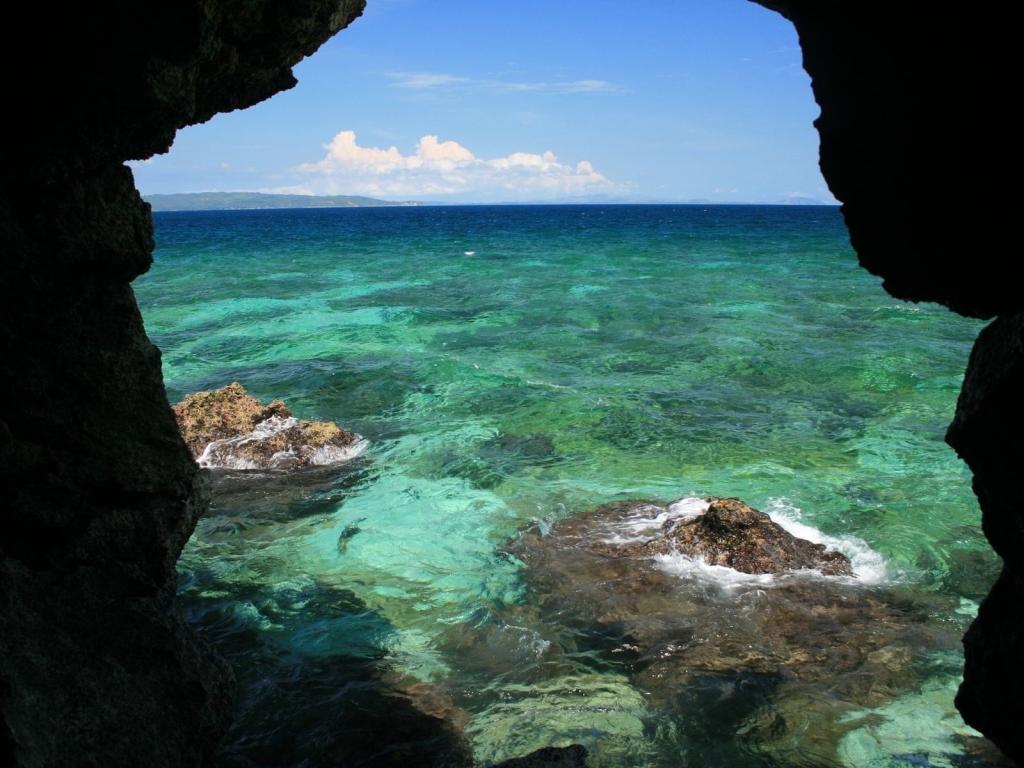
Crystal Cove State Park stretches between Laguna Beach and Newport Beach in Orange County. The park combines coastal bluffs, tide pools, sandy coves, and preserved historic beach cottages, offering one of Southern California’s most layered beach environments.
Beachcombers here often search for shells, rounded stones, sea glass, and marine life visible in the extensive tide pools. Low tide reveals starfish, sea hares, limpets, and small crabs among rocky reef sections. The long shoreline also supports lengthy walks, ideal for exercise and exposure to ocean air, without the density of some nearby urban beaches. Crystal Cove feels more preserved and ecologically sensitive than many Southern California beaches, partly because much of the surrounding land remains protected. Dogs are not allowed on the beach itself, though some nearby trails permit leashed pets.
Cabrillo Beach — San Pedro, Southern California
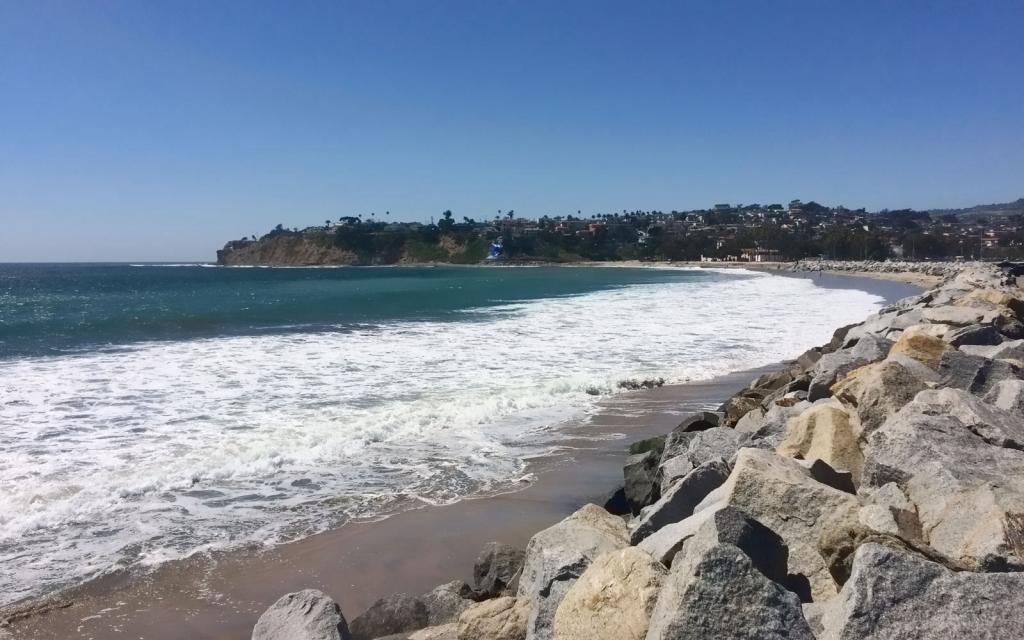
Cabrillo Beach is a public beach near the entrance to Los Angeles Harbor. Unlike the dramatic cliffs of Big Sur or the remote coves of Northern California, Cabrillo combines urban coastal access with strong ecological diversity.
The beach is particularly known for its tide pools near the rocky breakwater, where beachcombers can observe shells, barnacles, sea stars, mussels, and occasional octopuses during low tide. The nearby Cabrillo Marine Aquarium adds an educational element for visitors interested in marine ecosystems and responsible shoreline exploration. Because the beach faces both harbor and open-ocean influences, debris patterns and marine finds vary significantly throughout the year. Dogs are allowed in some adjacent park areas but are generally restricted from the main beach sections.
California’s coastline rewards people willing to move slowly and pay attention to detail. The state’s beaches are less about guaranteed discoveries and more about observation — changes in tide, light, geology, and weather all shape what appears along the shore from one day to the next. Beachcombing also fosters greater awareness of coastal preservation. Approached thoughtfully, the experience becomes more than a search for objects. It becomes a way to understand California’s coast as a living environment constantly shaped by the Pacific itself. Visitors should always check beach regulations before taking home any finds to ensure compliance with local conservation laws. For more about living your best beach life, visit Beach Homes Lifestyles.