


Renovating a coastal home comes with a unique set of pressures that inland homeowners rarely face. Salt air corrodes materials faster, humidity complicates timelines, and storms interrupt construction schedules. In many waterfront communities, access, permitting, and environmental regulations can shift dramatically from one region to another. Add in the reality of living through a renovation—while juggling contractor schedules, displaced furniture, noise, dust, and endless design decisions—and it becomes clear why preparation matters as much as the renovation itself.
Many homeowners focus exclusively on finishes and aesthetics before construction begins. They compare tile samples, cabinet styles, and paint colors without thinking through where they’ll store belongings, how they’ll protect vulnerable surfaces, or whether seasonal weather could derail the project entirely. In coastal regions, especially, timing and preparation can determine whether a renovation proceeds smoothly or becomes a costly, exhausting experience. A smart pre-renovation strategy minimizes disruption, protects the home from environmental exposure, and helps preserve the relaxed lifestyle that draws people to the coast in the first place.
Whether your residence overlooks the rocky shores of New England, the marshes of the Mid-Atlantic, the barrier islands of the Southeast, the Gulf Coast’s humid beaches, or the dramatic Pacific coastline, these six considerations can help coastal homeowners prepare for the subsequent chaos.
Schedule Renovations Around Coastal Weather Patterns
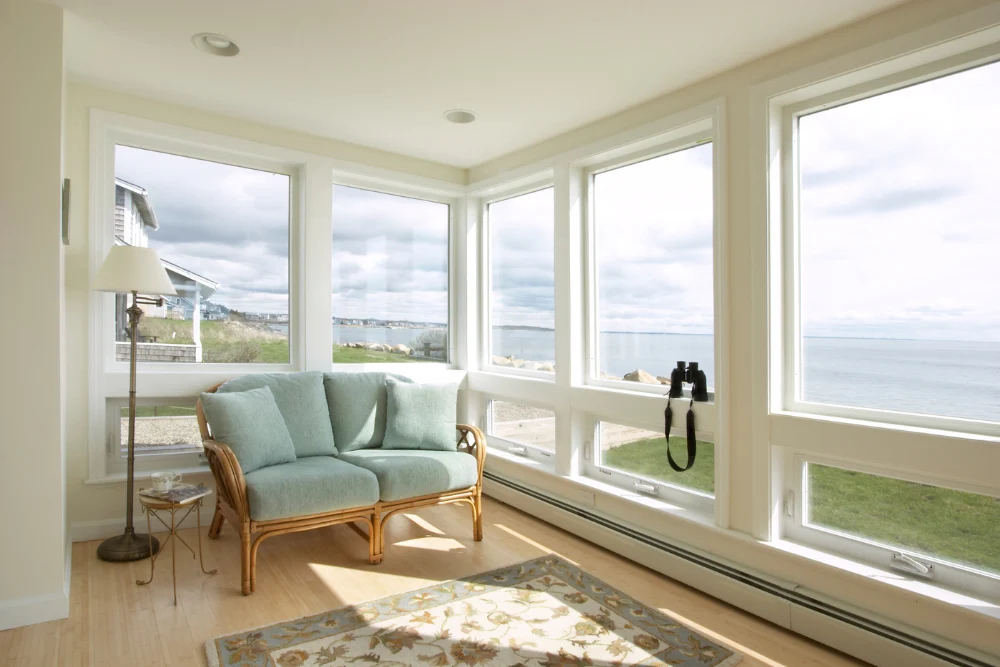
In the Cape Cod and other Upper East coastal regions, nor’easters and freezing winter temperatures can delay exterior work for weeks. Meanwhile, homeowners in the Southeast and on the Gulf Coast must account for hurricane season and heavy summer humidity. Along the Outer Banks or the Gulf Coast, even routine rainstorms can slow roofing, siding, or window installations.
The easiest solution is to schedule major structural work during the calmest regional weather window. In Northern California and the Pacific Northwest, late spring through early fall typically offers drier conditions. In Southern California, renovations often proceed year-round, but wildfire season and drought restrictions can still affect projects. Build extra time into contracts for weather delays and secure temporary waterproof coverings before demolition begins.
Protect Interiors From Salt, Sand, and Moisture
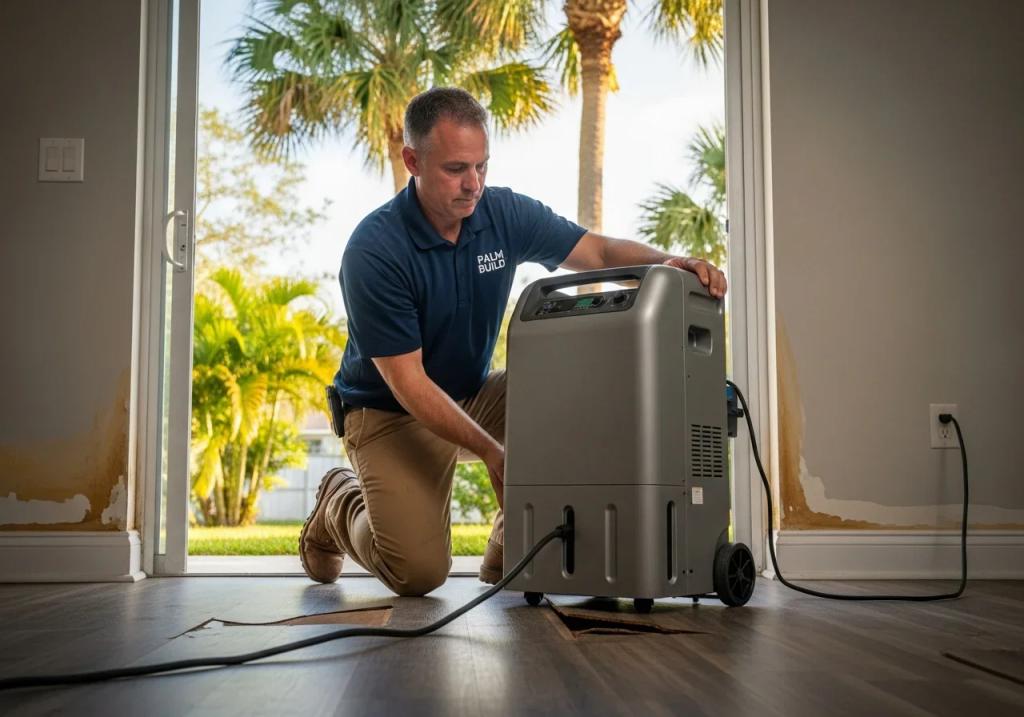
Coastal homes accumulate moisture faster than inland residences, particularly during renovations when walls, windows, or doors may be exposed. In Mid-Atlantic coastal communities like Rehoboth Beach or Virginia Beach, humid summer air can seep into unfinished interiors and damage flooring, upholstery, and electronics.
Before construction begins, remove artwork, linens, electronics, and delicate furnishings from the work zone entirely. Use sealed plastic bins instead of cardboard boxes, since damp coastal air can quickly weaken cardboard. Portable dehumidifiers and temporary air scrubbers also help reduce moisture and airborne dust. In Gulf Coast regions where humidity is relentless, climate-controlled storage units can prevent mildew and warping during extended projects.
Create a Functional Temporary Living Space

Living through a renovation becomes particularly difficult in vacation-oriented coastal communities where homes are designed around open layouts and outdoor living. A kitchen remodel in a Southern California beach bungalow or a bathroom renovation in a Florida Gulf Coast condo can disrupt daily life more than expected.
Before work starts, designate a temporary zone for cooking, laundry, or relaxation. Small appliances like induction burners, countertop ovens, and compact refrigerators can create a surprisingly efficient temporary kitchen. In the Pacific Northwest, where rainy conditions often limit outdoor living during portions of the year, maintaining one calm indoor retreat space becomes especially important.
Simple organization systems also reduce mental fatigue. Label storage bins clearly, keep daily essentials accessible, and create a contractor-free zone where you can decompress away from noise and dust.
Understand Coastal Permits and Environmental Regulations

Coastal renovations often involve stricter building oversight than inland projects. In areas such as Nantucket, Charleston, and many Northern California coastal towns, homeowners may face historic preservation rules, dune protection laws, shoreline setbacks, or environmental review requirements.
Start the permit process earlier than you think necessary. Delays are common in highly regulated waterfront communities. Work with contractors familiar with regional coastal codes, especially regarding flood zones, elevated foundations, erosion control, and hurricane-rated materials. In the Gulf Coast and Southeastern regions, insurance companies may also require upgraded impact-resistant windows or roofing systems during renovations.
Choose Materials That Can Handle Coastal Conditions

One of the most common renovation mistakes in beach communities is selecting materials based solely on appearance. Salt air, strong UV exposure, wind-driven rain, and fluctuating humidity quickly wear down products not designed for coastal environments.
In Upper East and Mid-Atlantic coastal regions, engineered woods and marine-grade finishes help resist seasonal expansion and contraction. Gulf Coast homeowners often benefit from porcelain tile, moisture-resistant drywall, and corrosion-resistant hardware. In the Pacific Northwest, mildew-resistant paint and composite decking hold up well against persistent dampness.
Southern California homeowners may prioritize UV-resistant fabrics and finishes that withstand year-round sun exposure. Investing in durable materials upfront reduces future maintenance and protects long-term property value.
Prepare Outdoor Access and Landscaping
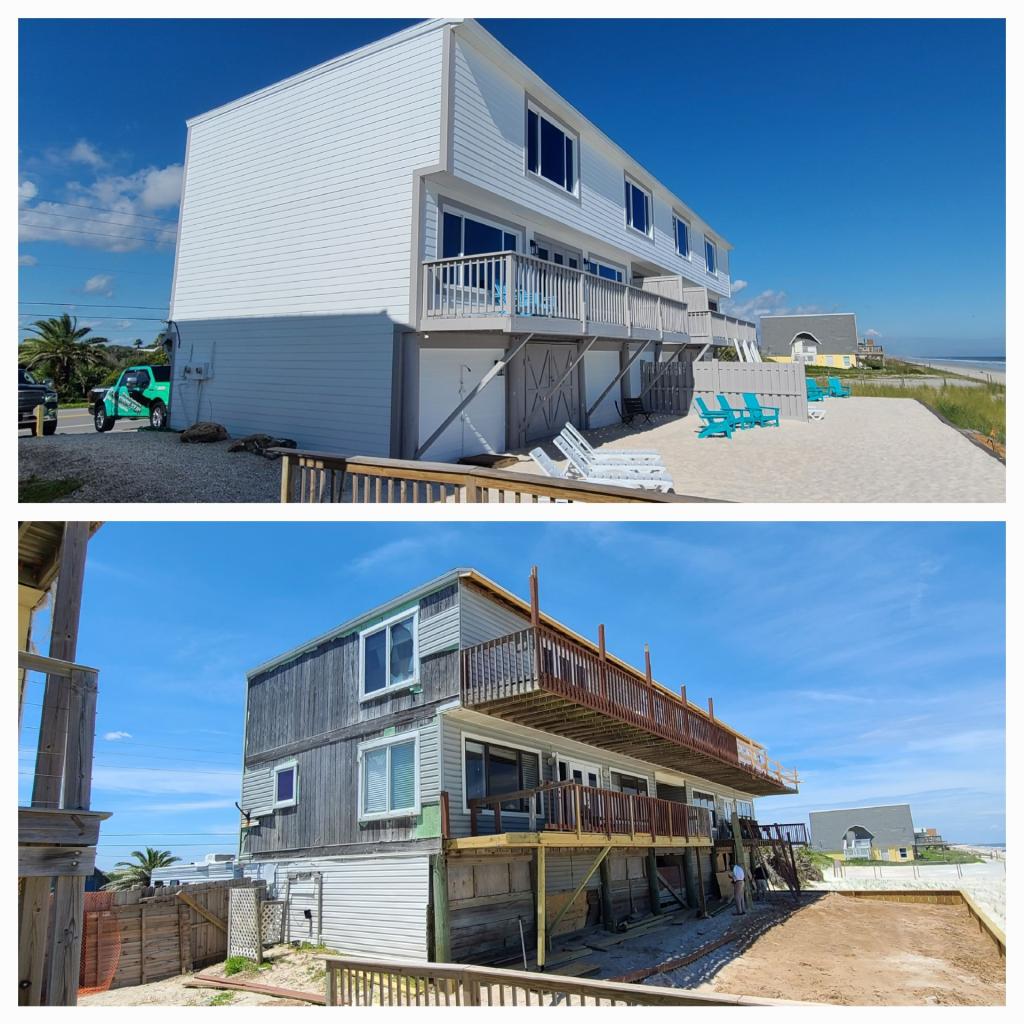
Construction crews, dumpsters, delivery trucks, and material storage can quickly damage delicate coastal landscaping. Narrow lots in New England beach towns, sandy Gulf Coast properties, and cliffside Northern California residences often present logistical challenges before renovations even begin.
Protect outdoor areas with temporary plywood pathways and fencing around dunes, native grasses, or irrigation systems. In Southeastern coastal regions where tropical landscaping grows densely, trimming vegetation before construction improves access and reduces accidental damage. Homeowners in the Pacific Northwest may also need temporary drainage protection during rainy periods to prevent soil erosion around construction zones. If your property is part of a homeowners’ association common in many beach communities, confirm rules regarding parking, work hours, and debris removal before contractors arrive.
Preparing a coastal home for renovation requires more than aesthetic planning. The most successful projects account for weather, moisture, storage, regulations, materials, and the realities of daily living during construction. Thoughtful preparation creates a smoother experience not only for contractors but also for homeowners trying to preserve comfort and routine amid disruption. Coastal homes are shaped by their environments, and renovations should respect those conditions from the very beginning. With careful planning, homeowners can protect both their investment and their peace of mind while transforming a beach residence into a more resilient, functional, and beautiful retreat. For more about living your best beach life, visit Beach Homes Lifestyles.