

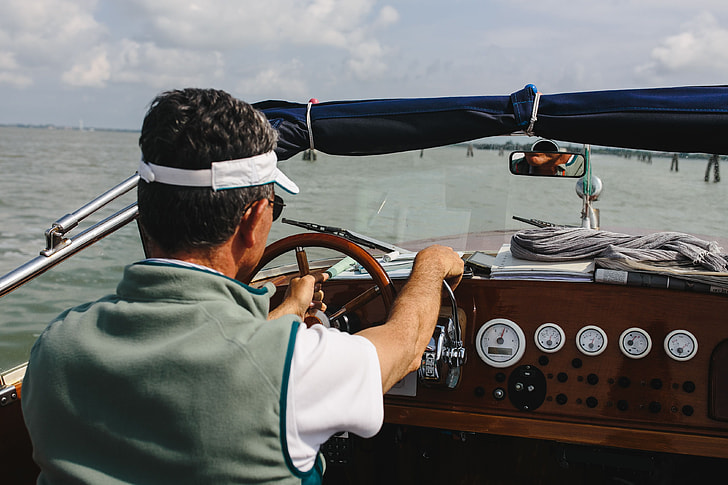
Before you ever touch the throttle, a successful navigator understands that boating is a sophisticated blend of technical skill and environmental awareness. True seamanship begins long before the lines are cast off; it starts with the mental transition from a passive passenger to an active commander. This guide establishes the foundational philosophy required to handle a vessel with performance-level precision.
The Pre-Launch Protocol: Inspection and Safety


A professional-grade preparation sets the tone for a seamless journey. Before the engine even turns over, you must verify that your vessel is a fortress of safety and readiness.
- Essential Safety Gear: Your inventory must include U.S. Coast Guard-approved life jackets (PFDs) for every person on board, fully charged fire extinguishers, and functional sound-signaling devices. Visual distress signals, such as flares or electronic lights, are non-negotiables for any open-water venture.
- The Vessel Walkthrough: Perform a mechanical sweep to prevent mid-water failures. Check fuel levels, verify battery health, test the bilge pumps, and inspect the hull for any signs of compromise or damage.
- The Float Plan: Never leave the dock without a “shadow” on land. File a float plan with a reliable contact, detailing your intended route, vessel description, and expected return time so that help knows exactly where to look if you are overdue.
The Language of the Water: Rules of the Road
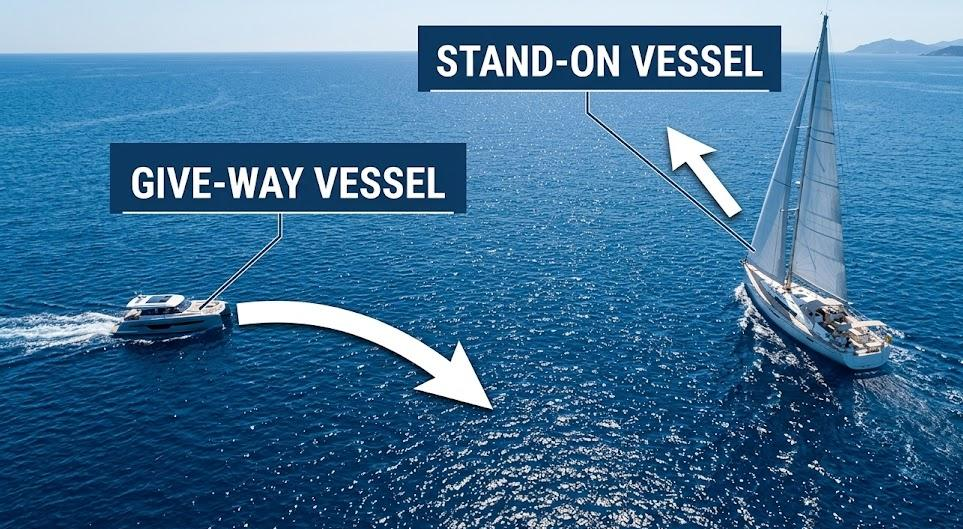
Navigation is governed by the Navigation Rules (COLREGS), a standardized language that ensures predictable movement on the water. Understanding these rules prevents the “guessing games” that lead to collisions.
- Right of Way (Stand-On vs. Give-Way): In any encounter, one boat is the “Stand-On” vessel (maintains course and speed) while the other is the “Give-Way” vessel (takes early and substantial action to stay clear). Protocols differ for overtaking, head-on meetings, and crossing paths, making it vital to know your role in the moment.
- Aids to Navigation (ATONS): Think of buoys and markers as the road signs of the sea. Mastery begins with the “Red, Right, Returning” rule—keeping red markers on your right side when returning from the sea or traveling upstream—and understanding the specific shapes and colors that denote safe water.
- Sound and Light Signals: Communication isn’t always verbal. Standardized short blasts (one second) and prolonged blasts (four to six seconds) are used to signal intent, such as “I am altering my course to starboard,” providing clarity in high-traffic or low-visibility conditions.
Precision Handling: Docking and Maneuvering
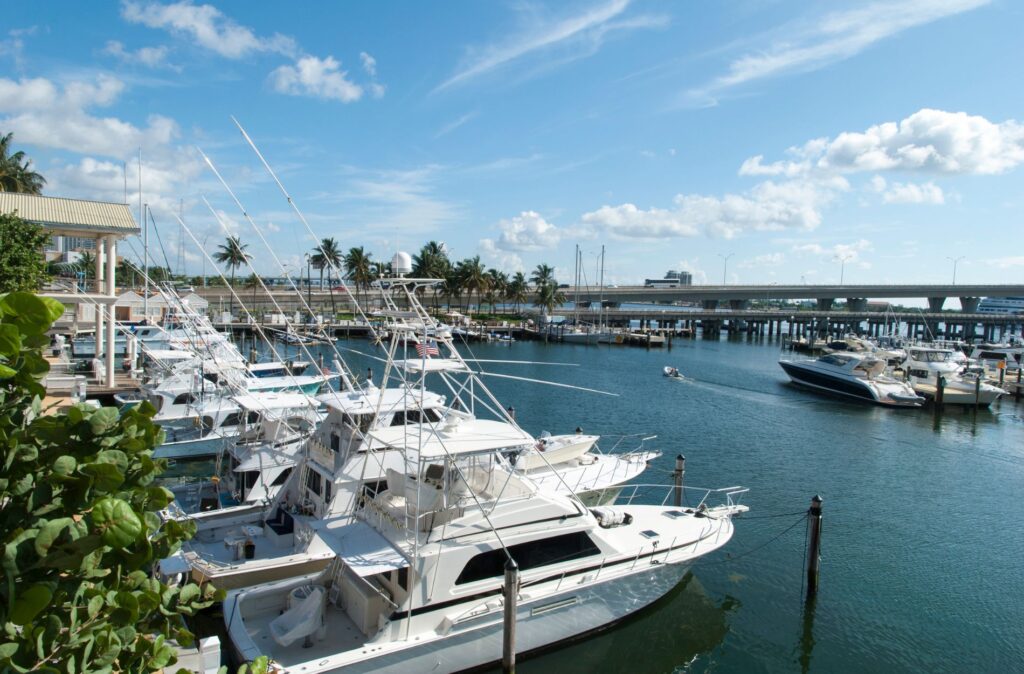
The true test of a boater’s skill occurs in the tightest spaces. Success in docking is a matter of physics and patience rather than raw power.
- Understanding Environmental Forces: Before approaching a slip, observe how the wind and current are interacting. These forces will dictate how your boat drifts; a professional navigator uses these elements to “pivot” the boat rather than fighting against them.
- The Art of the Approach: Entering a slip should be a slow, controlled evolution. Use short bursts of throttle to maintain steerage way, utilize spring lines to pivot the hull safely against the dock, and never be afraid to “bail out” and reset if the angle isn’t perfect.
- Anchoring Fundamentals: Selecting the right “bottom” (sand, mud, or rock) for your anchor type is critical. Once deployed, you must calculate the proper “scope”—the ratio of anchor line length to water depth—to ensure the vessel remains stationary regardless of tide or wind shifts.
Environmental Stewardship and Etiquette
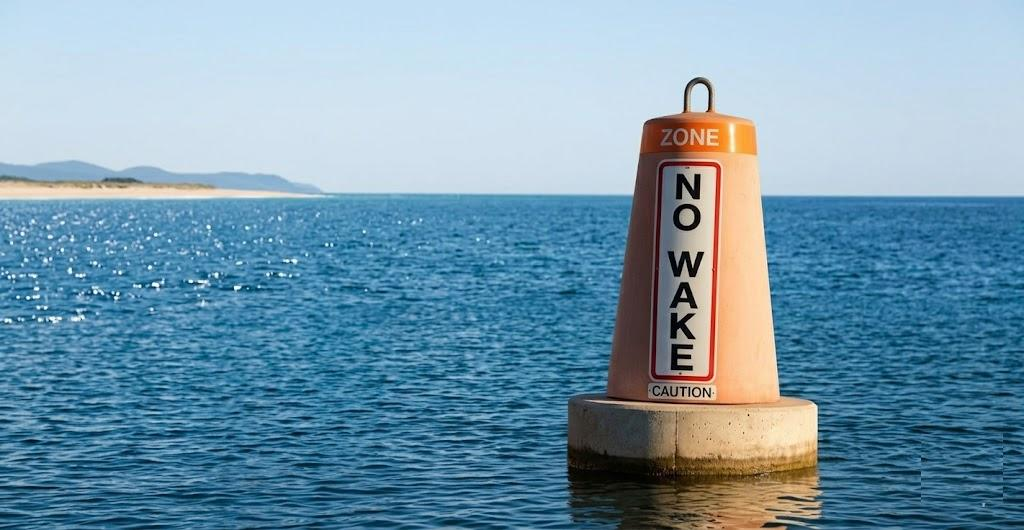
Navigating the seas involves a deep respect for the ecosystem and the community of boaters. High-end boating is as much about character and etiquette as it is about technical skill.
- Wake Management: Your wake is your responsibility. Understand how your displacement affects smaller boats, swimmers, and shoreline erosion, particularly in “No Wake” zones where your hull should move through the water without creating a swell.
- Sustainable Boating: Protect the waters that provide your recreation. Practice clean fuel handling to prevent spills, dispose of waste properly, and always inspect your hull and trailer to avoid the spread of invasive species between different bodies of water.
- The Maritime Code of Conduct: Professionalism on the water includes using public ramps efficiently, keeping a respectful distance from other vessels, and always being prepared to render assistance to a fellow boater in distress.
Navigating the seas is a perishable skill that requires constant refinement and unwavering situational awareness. By starting with these foundational basics, you build the confidence necessary to handle diverse conditions and unexpected challenges. Remember that the best captains are lifelong students; with every voyage, you move one step closer to true mastery of the water.