


When we envision the perfect beach, we often picture glass-like turquoise water where every grain of sand on the bottom is visible. Yet, many of the world’s most beautiful coastlines feature tea-colored or opaque grey waters. The difference between a crystal-clear cove and a murky shoreline isn’t a matter of cleanliness but rather a complex interaction of geology, geography, and physics.
The Concept of Turbidity
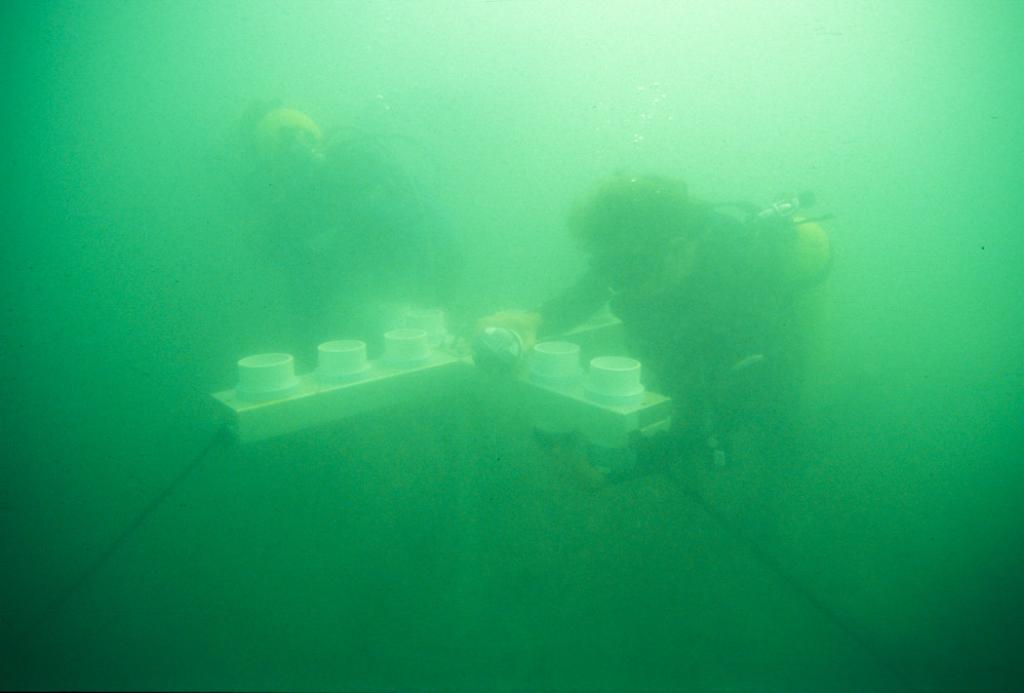
In the world of oceanography, water clarity is measured by turbidity. This refers to the concentration of individual particles or suspended solids that are often too small to see individually but together create a cloudy effect. These particles block light from traveling through the water, dictating whether a beach looks like a swimming pool or a forest pond.
Geology: What’s on the Seafloor?
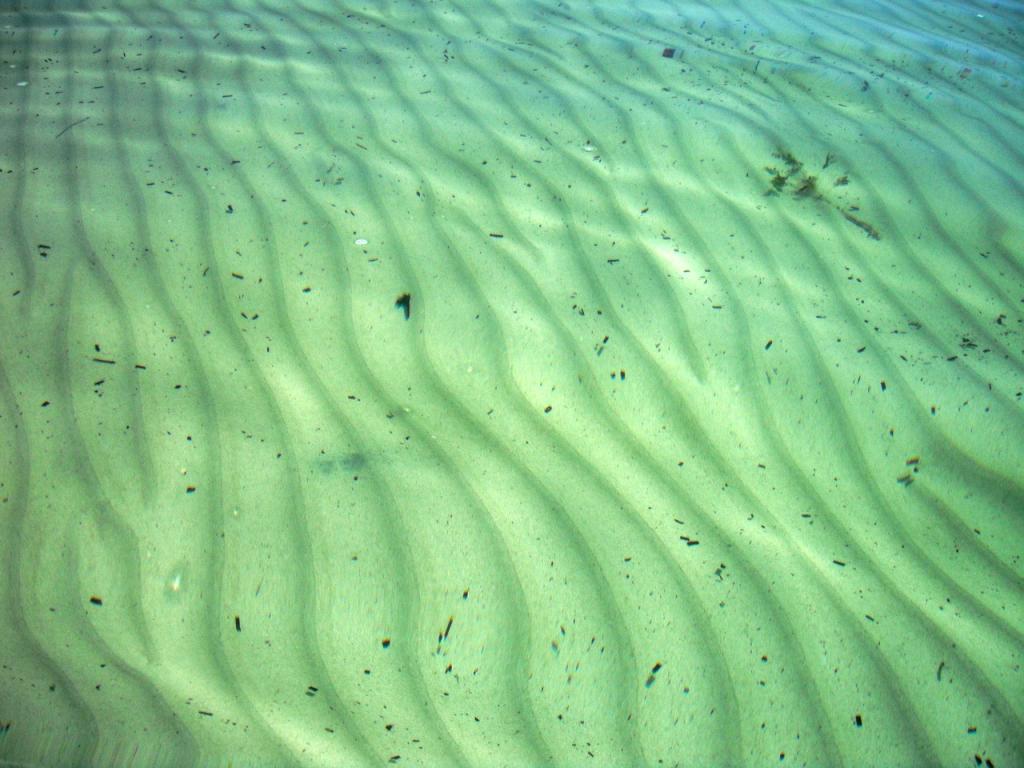
The composition of the seafloor is perhaps the biggest factor in water clarity. It comes down to particle size and weight.
Coarse, heavy grains like crushed shells or quartz settle to the bottom almost instantly after a wave passes, leaving the water clear. Conversely, beaches near marshlands or river deltas often have beds of fine silt or clay. These particles are so light that they can stay suspended in the water column for days after being stirred up, creating a permanent haze.
Mineral composition also plays a role. White sand is usually calcium carbonate, which is eroded coral. It acts as a natural mirror, reflecting sunlight back through the water and making it appear brighter. In darker environments, decaying plant matter releases tannins. These tannins dye the water a dark, transparent brown, much like a cup of tea.
Geography: The Influence of Rivers and Continental Shelves

The physical layout of the coastline determines how much debris enters the water and how long it stays there.
Locations with a wide, shallow continental shelf allow waves to churn the bottom more easily, keeping sediment in constant motion. Islands with deep drop-offs, such as volcanic islands, allow sediment to fall into the abyss, leaving the surface water pristine.
Rivers are the primary contributors to cloudiness. They carry massive plumes of silt and clay from inland. Even the clearest ocean cannot overcome the sheer volume of sediment dumped by a major river mouth.
Biology: Marine Plants and Ecosystems are the Ocean’s Natural Filters
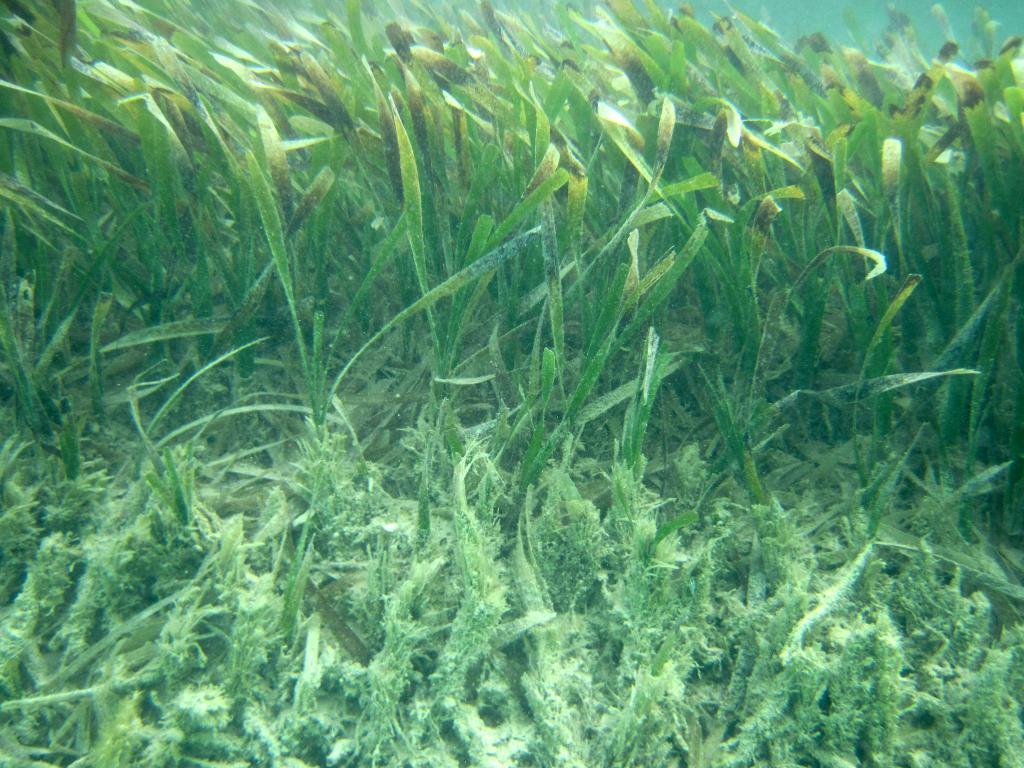
A healthy ecosystem is often a clear one because nature uses biological engineers to keep the water still and clean.
The root systems of seagrass and mangroves act as anchors for the seafloor. They prevent the tide from stirring up sand and trap floating debris in their roots. Coral reefs act as physical breakwaters. By absorbing the energy of a wave before it hits the beach, reefs prevent the shoreline sand from being violently tossed into the water column.
The nutrient paradox is another interesting factor. The clearest water is often nutrient-poor. Tropical waters are clear because they are relatively empty of life. Murky water is often teeming with phytoplankton and other microscopic algae, a sign of a very alive, nutrient-dense ecosystem.
Physics: The Interaction of Light and Water Through Scattering and Absorption
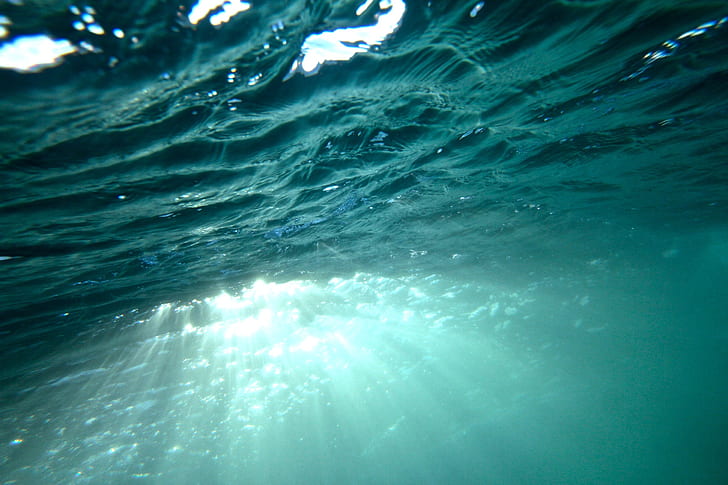
The color we see is a result of light scattering. Water molecules naturally absorb red and orange light. In clear water, only the short-wavelength blue light is scattered back to our eyes. However, when suspended solids are present, they scatter all wavelengths of light. This washes out the blue, resulting in a grey, green, or muddy brown appearance.
External Disruptions: Storms, Upwelling, and Human Activity

Even the clearest beach can turn murky overnight. High-energy storm waves pull deep-seated sediment to the surface and wash land debris into the sea, creating a post-storm haze.
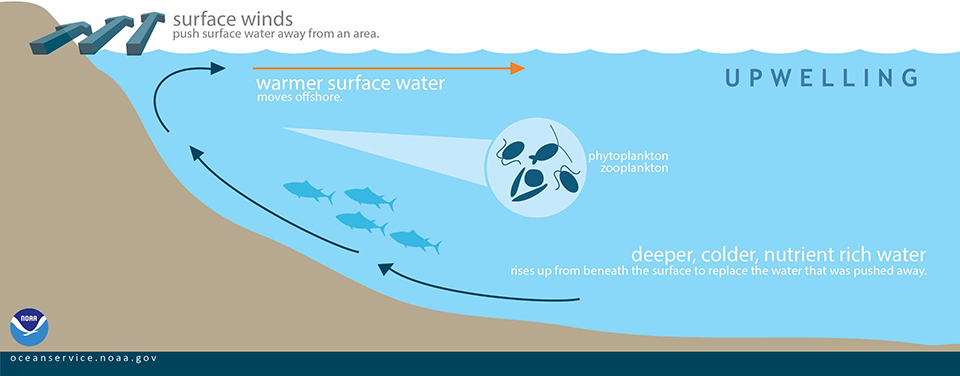
Meanwhile, an oceanographic phenomenon, known as upwelling, moves the warmer surface waters out to the open sea while bringing in deeper, colder, and sediment-rich waters, making the water appear murky.
Human activities like dredging or coastal construction often bypass natural filters like mangroves, artificially increasing turbidity and clouding the water for long periods.
A Dynamic Balance

Water clarity is a complex signature of a region’s unique environmental health. It is important to remember that clarity is often an aesthetic preference rather than a biological one. A murky beach isn’t necessarily dirty. It is often just an ecosystem in motion, filled with life and minerals that haven’t quite settled yet.
For more articles like this, check out Beach Homes Lifestyles.