

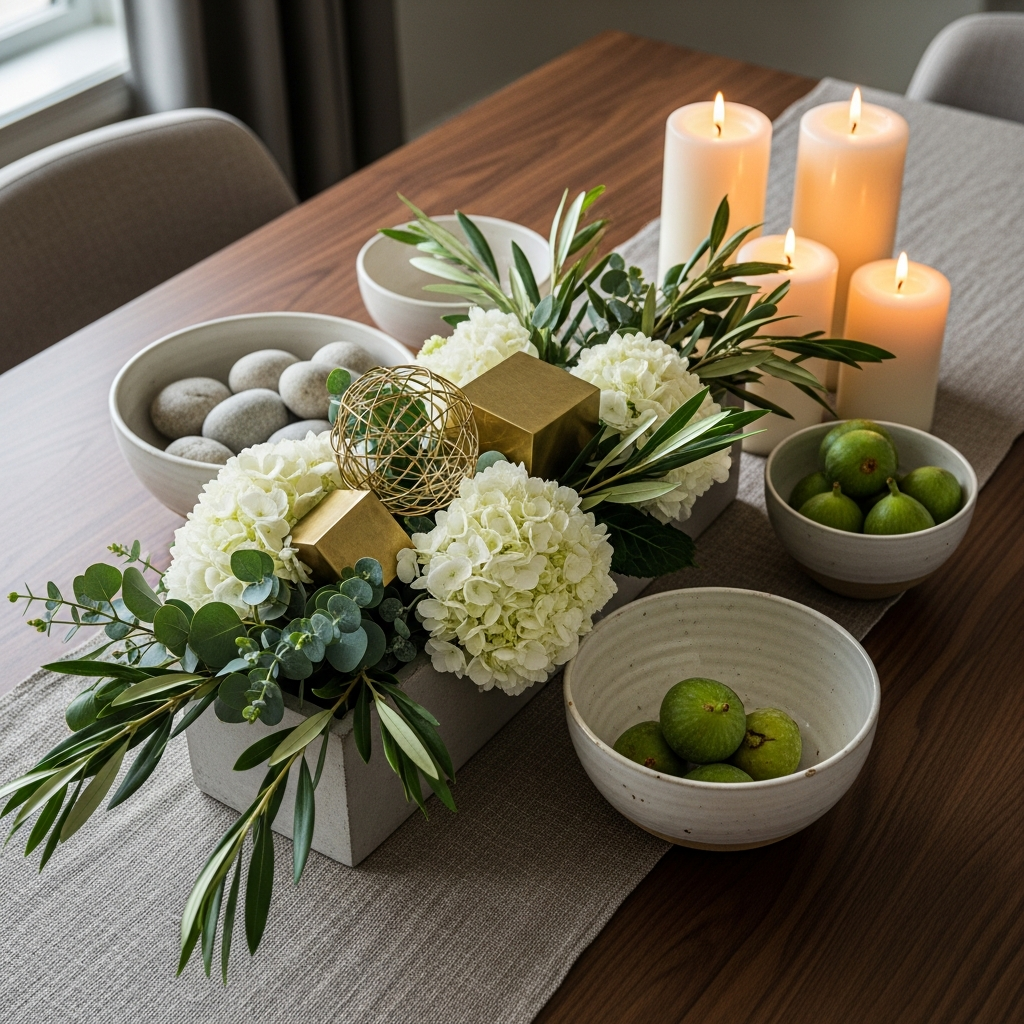
The festive flurry has settled, the holiday boxes are packed away, and you’re left with a clean slate—and a dining table that suddenly feels vast, empty, or worse, still cluttered with misplaced remnants of cheer. After weeks of maximalist sparkle, the post-holiday decor dilemma is real. The table now feels dull, quiet, and simply awaits a style refresh; it needs to transition gracefully from glittering celebration back to everyday living without feeling boring.
You can achieve everyday elegance by creating year-round, sophisticated centerpieces. To do this, we focus on smartly using natural materials, candles, and existing home items to combat the winter blues without being overly complicated.
Furthermore, by focusing on simplicity, texture, and light, you can create cohesive arrangements that enhance your space. With that in mind, below are three categories of simple, chic ideas—Repurposed Natural Elements, Everyday Architectural Simplicity, and Layering and Lighting—all designed to elevate your dining space this winter.
Repurposed Natural Elements (Bringing the Outside In)
To revitalize your home during the colder months, these design strategies successfully combat the “dull” winter aesthetic. By introducing rich textures, organic shapes, and subtle elements of life, you can transform a stagnant interior into a vibrant, high-end sanctuary that feels both fresh and inviting.
The Simple Evergreen Runner
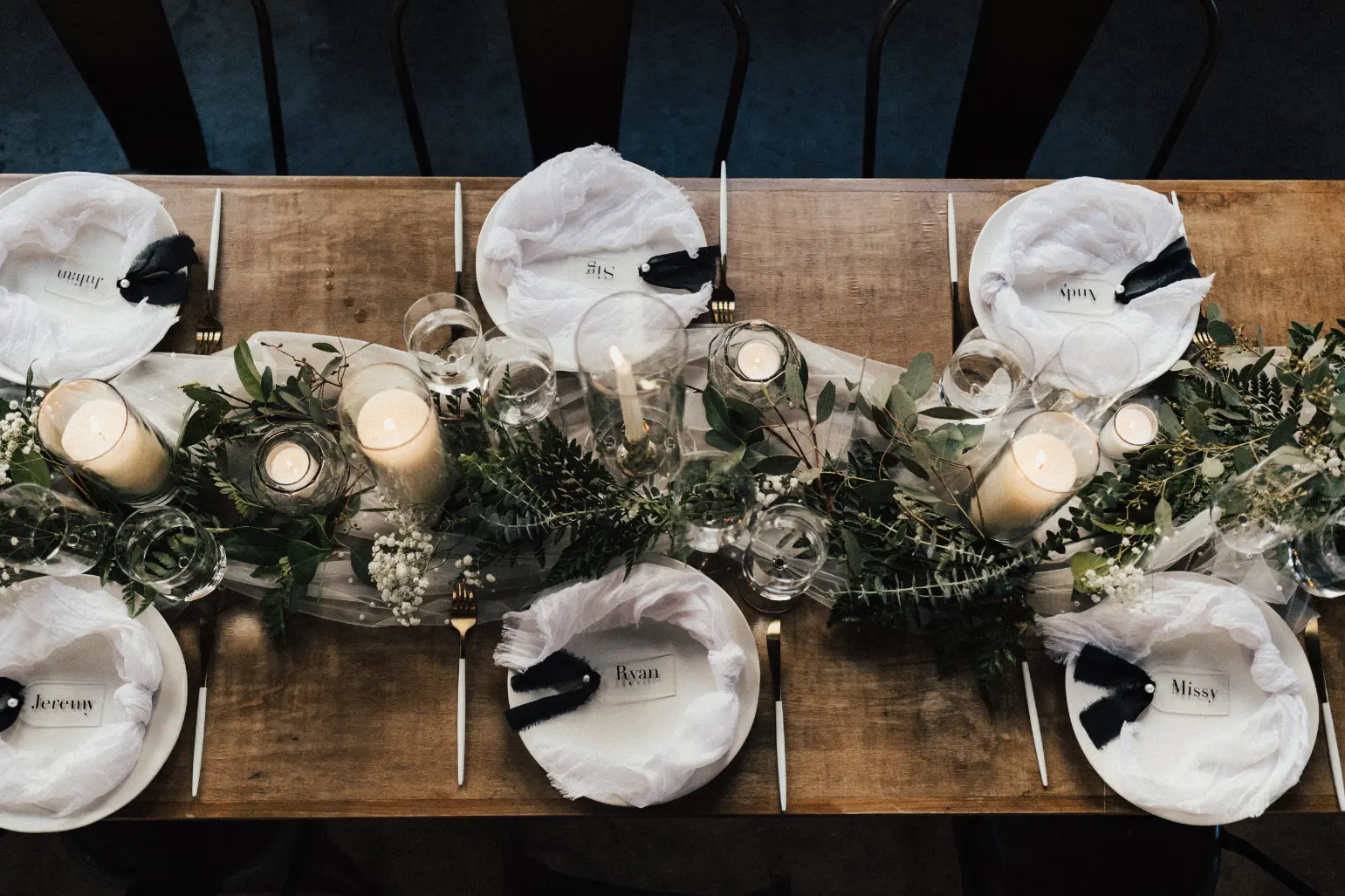
Use fresh or high-quality faux greenery (pine, cedar, or eucalyptus) that you may have leftover from wreaths or garlands. Instead of arranging it tightly, lay the clippings flat down the center of the table. Use the clippings sparingly and let them naturally drape, focusing on the texture of the leaves rather than bulk.
Rooted and Organic Display
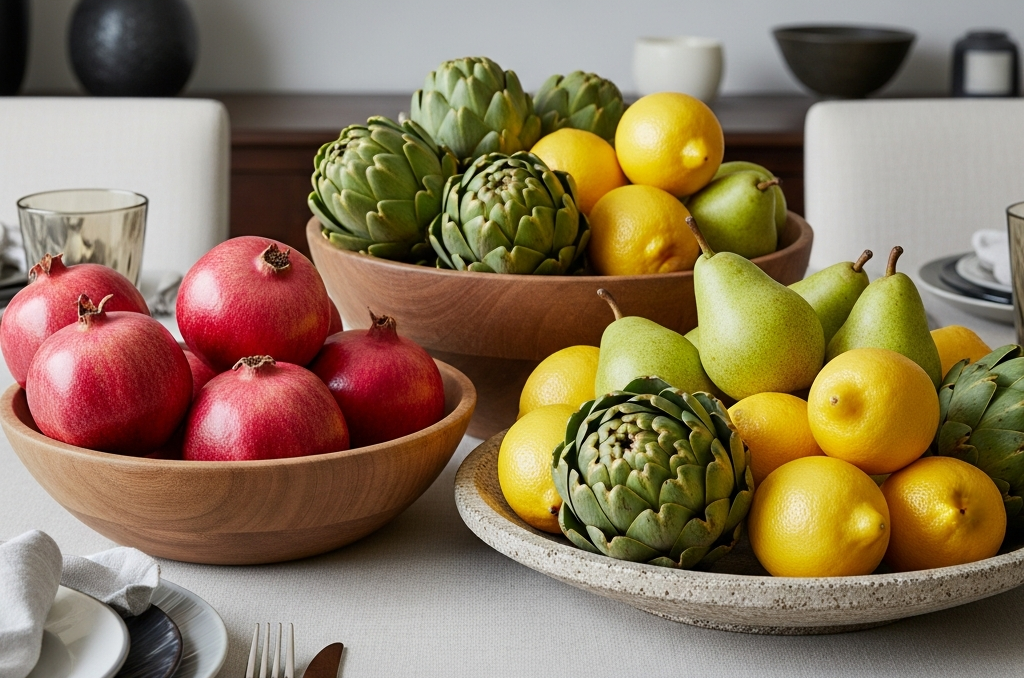
Combating dullness means using bold, natural color. Display bowls of striking winter produce—think deep red pomegranates, green artichokes, vibrant yellow lemons, or pale green pears. Use a simple, oversized wooden bowl or a low, textured stone platter for display. The natural heft and color of the produce create an immediate visual anchor.
Moss and Stone Terrarium
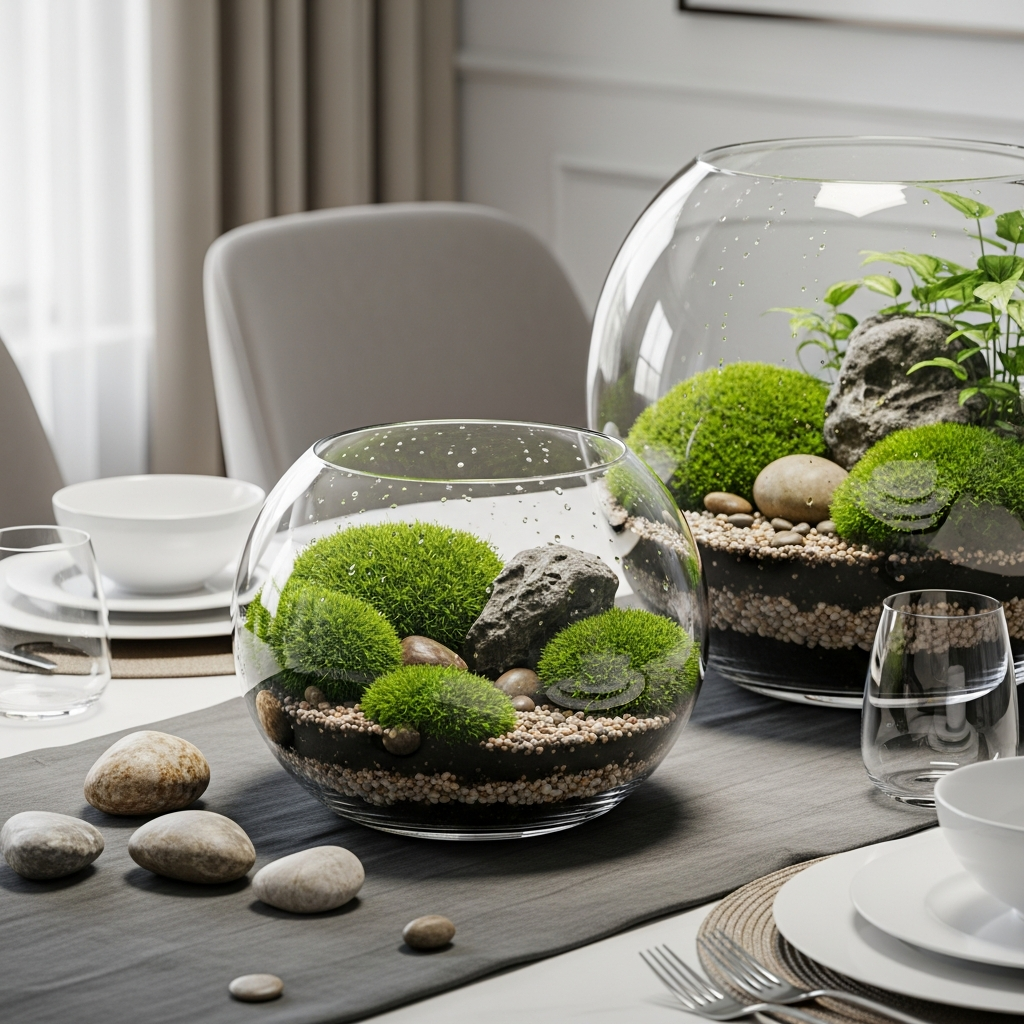
For a low-maintenance, contained natural element, use a glass cloche or an apothecary jar. Fill it simply with river stones, dried moss, or tiny succulents for a self-contained ecosystem.
To personalize this look, consider adding small, found objects like sea glass, a delicate bird’s nest (empty, of course), or a single small vintage figurine beneath the glass. These tiny additions give the terrarium a sense of curated history and tell a small story, making the centerpiece feel uniquely yours while still maintaining a tidy, minimalist aesthetic.
Tip: This requires virtually no maintenance and adds a pop of subtle, earthy color that lasts all season.
Everyday Architectural Simplicity (Clean Lines)
By prioritizing structure, height, and clean repetition, these design concepts generate immediate visual interest through a lens of minimalist sophistication. This architectural approach creates a sense of intentionality and balance, proving that a refined, high-end aesthetic is achieved through thoughtful placement and elegant simplicity.
The Rule of Three (Grouping)
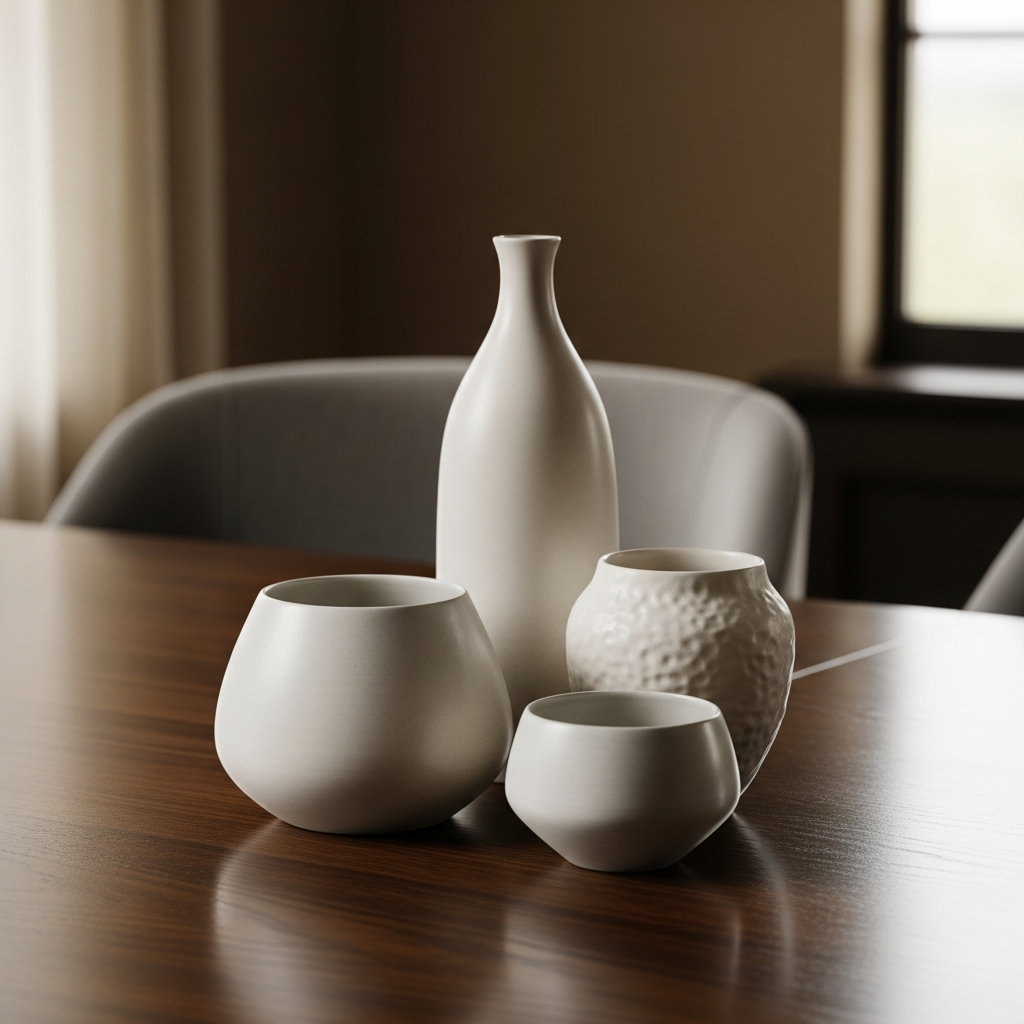
One key principle of sophisticated design is to group objects in odd numbers. For example, combine three distinct objects of varying heights, ensuring their materials are cohesive.
Additionally, you could group three slender vases, three tall candle holders, or three unglazed ceramic pots. To maintain a clean aesthetic, keep the materials consistent (e.g., all matte black, all clear glass, or all white ceramic).
Linear Vessel Display
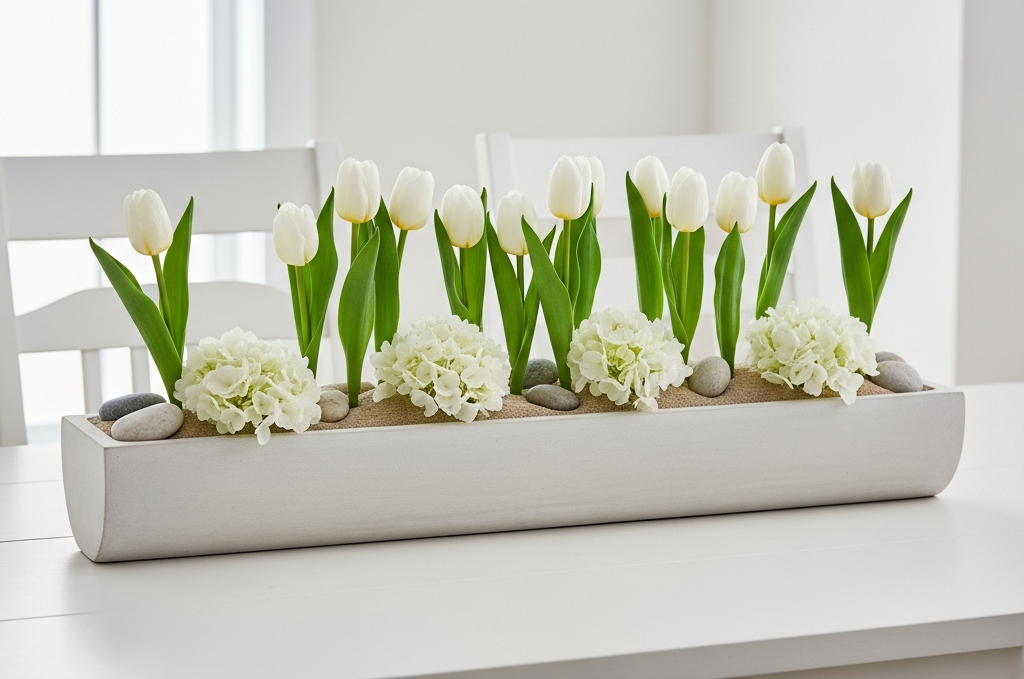
To begin, utilize a long, low rectangular or cylindrical trough or planter as a container. Next, fill it with a single, repetitive element, such as a line of single-stem white tulips (fresh or faux), small white hydrangeas, or even just sand and smooth stones.
Consequently, this approach creates a clean, intentional line that not only lengthens the table but also draws the eye, resulting in a visually balanced and elegant arrangement.
Sculptural Wood or Metal
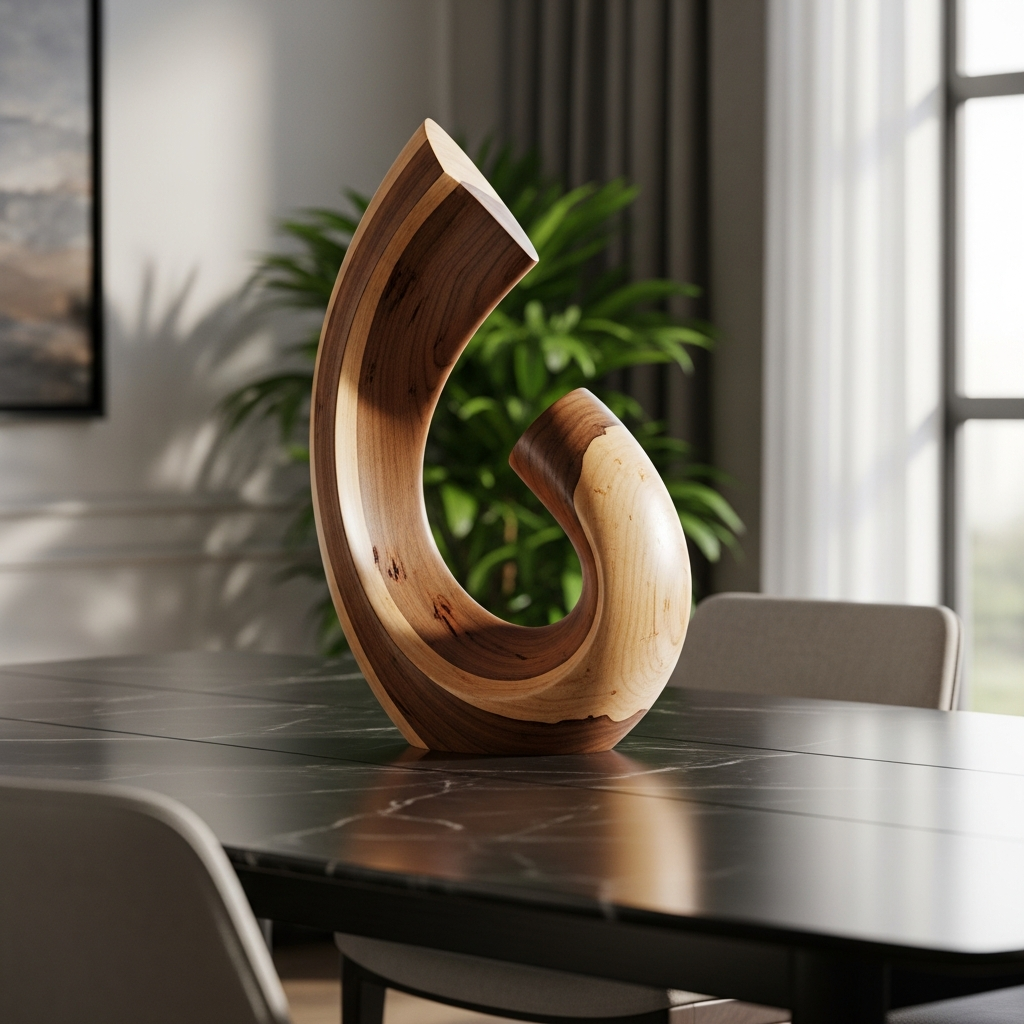
Sometimes, one piece is all you need. For example, use a single statement item that is purely decorative, such as a simple, curved wooden sculpture, a sleek geometric metal lantern, or a large chunk of white marble.
As a result, this approach commands attention without adding any visual noise, creating a clean and intentional focal point in your space.
Layering and Lighting (Texture and Warmth)
Strategic lighting and plush soft goods work in tandem to create a sanctuary of warmth, providing the deep sense of comfort necessary during the winter season. By blending soft, ambient layers with rich textiles, these ideas foster a welcoming environment that feels both intimate and refined.
Candlelight Cluster
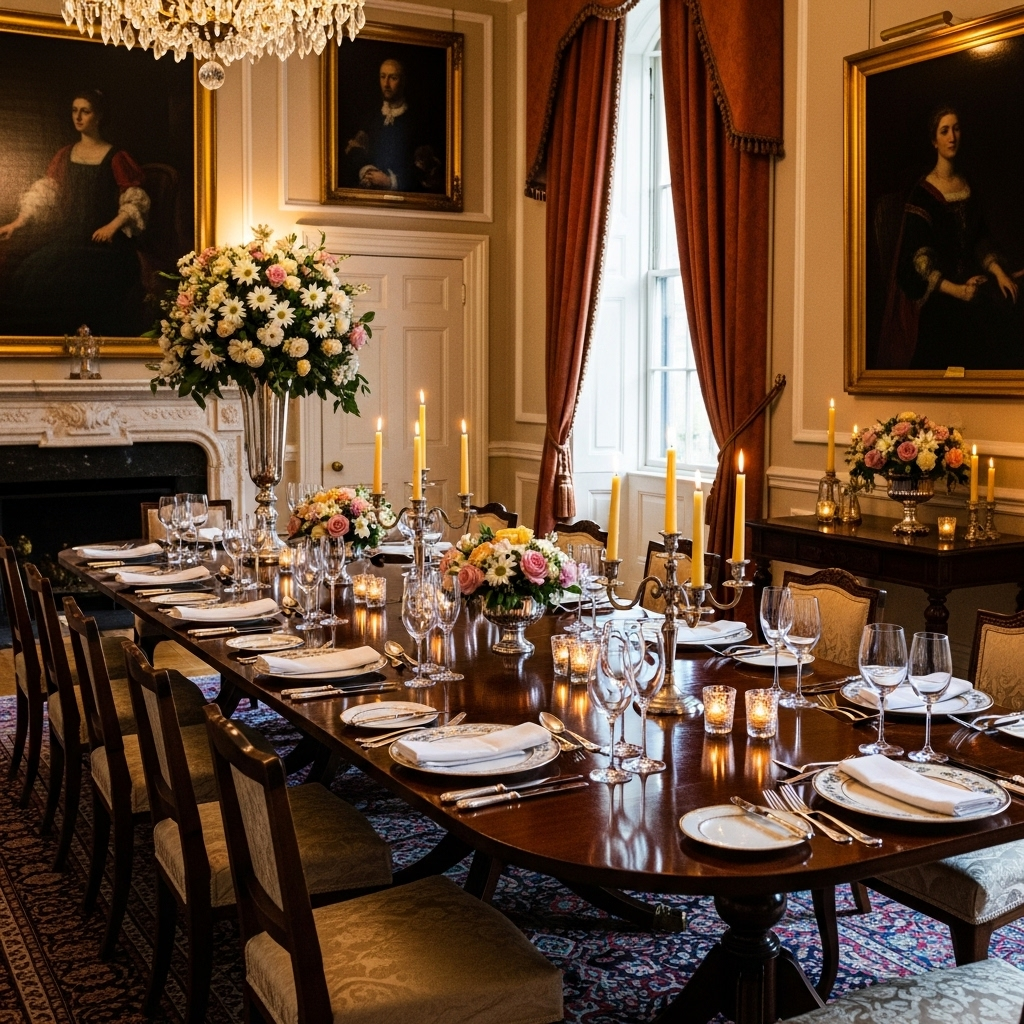
Nothing adds instant warmth like firelight. To begin with, combine tall taper candles (in simple, minimalist holders) with low-sitting pillar candles of different diameters. This layering not only adds dimension but also creates a cozy, inviting glow.
Furthermore, use unscented candles in warm, off-white, or neutral colors to enhance the effect without overwhelming the space. In this way, you can achieve a soft, elegant ambiance that instantly elevates any room.
Safety Tip: Always place the cluster on a metal, marble, or wood tray to catch wax and protect the table surface.
The Linen Layer
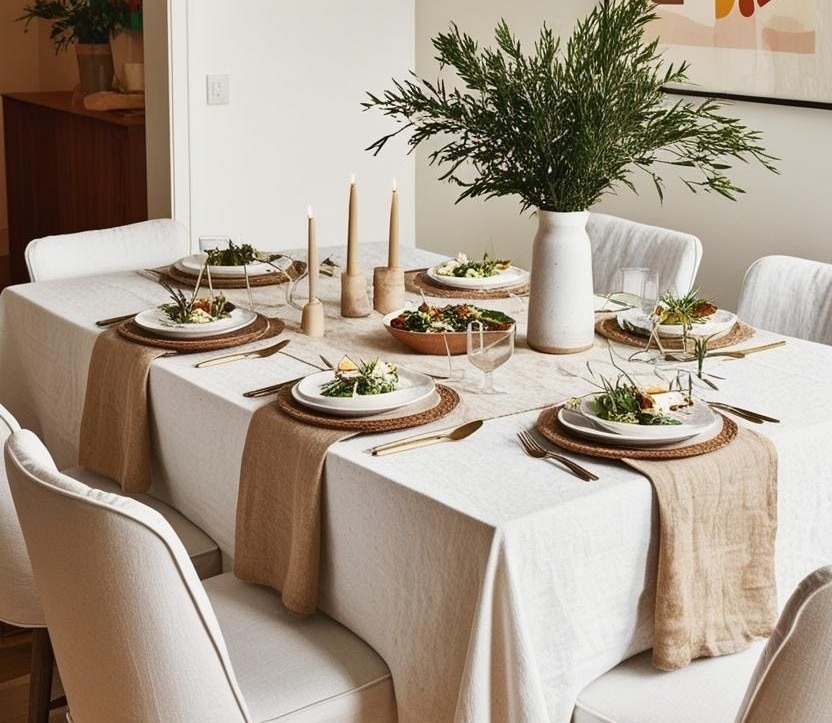
The perfect way to add depth without overpowering your tablescape is to layer linen pieces. First, introduce texture by using a narrow table runner made of natural fiber, such as raw linen, a chunky wool knit, or a subtle plaid. This initial layer sets the stage for a visually interesting and tactile foundation.
Next, place the centerpiece from a previous section on top of this runner. As a result, it adds depth and softness, effectively grounding the entire arrangement and tying the look together.
Stacked Books and Folded Book Art
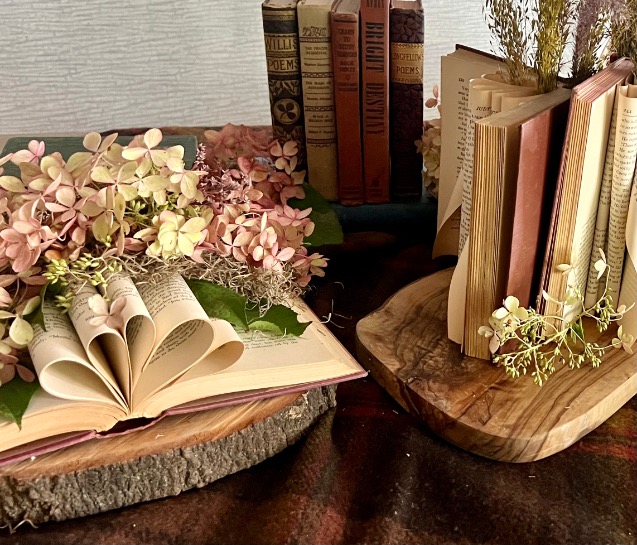
Whether your style is modern, vintage, or somewhere in between, book centerpieces offer highly versatile, customizable decor options to bring life to your table. Stacking antique books in varying sizes and heights, and topped with flowers or candles, adds a touch of vintage, old-world appeal to your space. Take your book centerpiece to the next level by creating folded book art. Simply fold pages inward to create pockets, then insert flowers or other decor pieces into them for an elegant display.
Depending on your personal preference or the occasion, these book centerpieces can be arranged by themes such as travel, art, or holidays.
Tips on How to Maintain Your Centerpiece
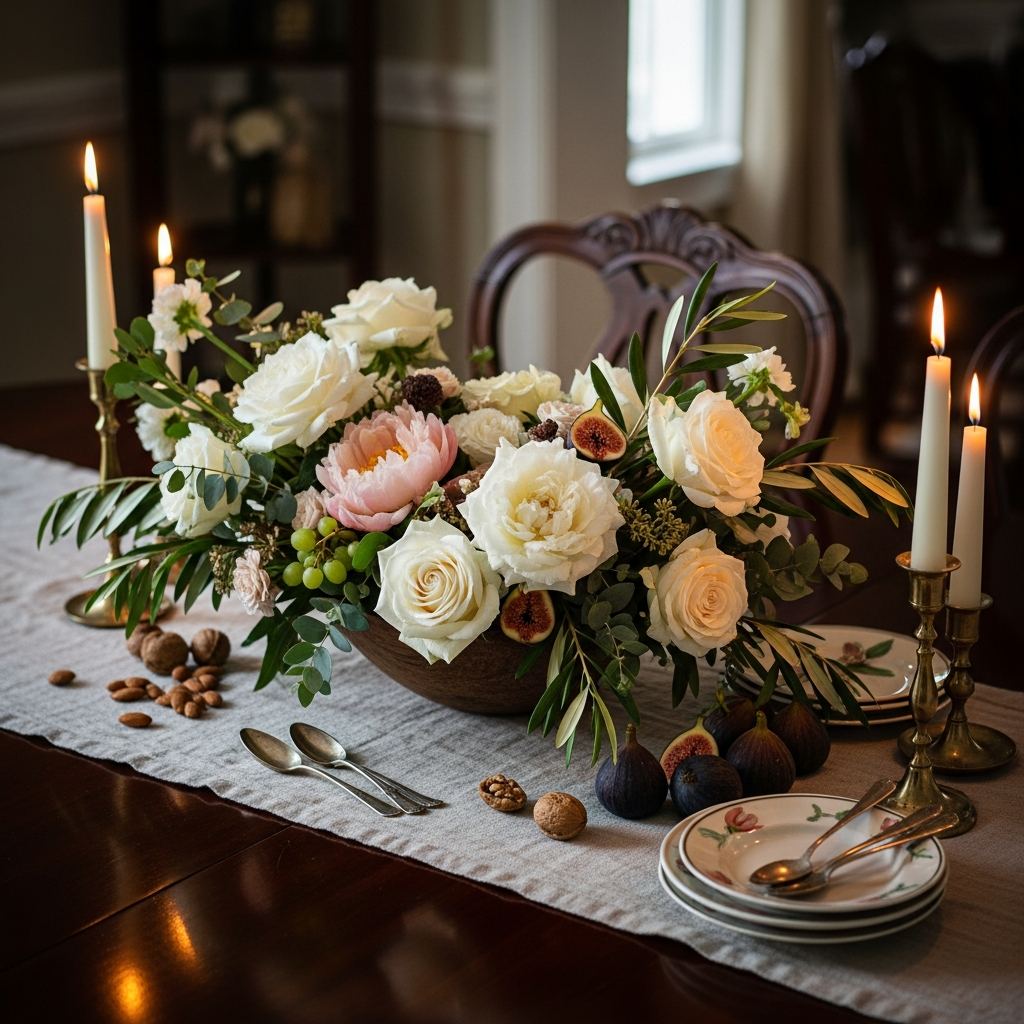
To ensure your centerpiece remains elegant and usable, follow these simple rules:
- The “Everyday” Test: Ensure the centerpiece is easy to move (or low enough) for dining. Nothing should obstruct conversation across the table.
- Seasonal Swaps: Make it easy to transition out of winter. For example, in March, swap the citrus fruit display for brightly colored moss or small potted herbs to signal the start of spring.
- Cleaning: Dust weekly. Dust build-up instantly cheapens even the most expensive decor.
Ultimately, elegance in winter decor comes from simplicity, texture, and natural light. By contrast, by arranging materials and focusing on clean, structural lines, you can easily create a sophisticated centerpiece that not only adds style but also provides warmth and joy throughout the dullest months.