

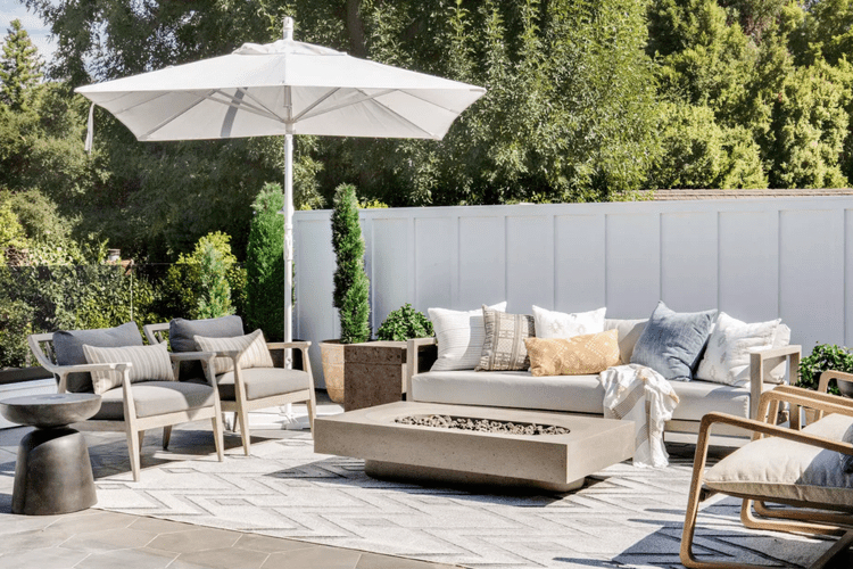
One of the greatest luxuries of owning a beach home is the ability to spend time outdoors. Whether it is a Gulf Coast retreat overlooking the dunes, a shingled cottage in New England, a contemporary California beach house, or a waterfront property in the Pacific Northwest, outdoor living spaces have become an essential extension of the home. Yet as coastal communities continue to grow denser and neighboring properties sit closer together, privacy has become an increasingly valuable design feature.
Privacy fencing has evolved far beyond the traditional boundary marker. In 2026, coastal homeowners are embracing screening solutions that blend architecture, landscaping, and outdoor living design to create secluded spaces without sacrificing views, natural light, or connection to the surrounding environment. The most successful privacy strategies work with a property’s coastal conditions, accounting for salt air, high winds, shifting sunlight, and regional architectural traditions. Well-designed privacy features also help establish a greater sense of retreat. By partially concealing outdoor rooms, screening neighboring structures, or framing specific views, they create a more immersive experience of the landscape.
As many landscape designers note, a degree of visual mystery often makes outdoor spaces feel larger, more intentional, and more relaxing. From slatted fences and living walls to pergolas and dune-friendly plantings, today’s privacy solutions are as much about design as they are about seclusion. These six ideas offer stylish ways to create a more peaceful outdoor sanctuary at beach homes across America’s diverse coastal regions.
Horizontal Slat Fencing with Coastal-Grade Materials
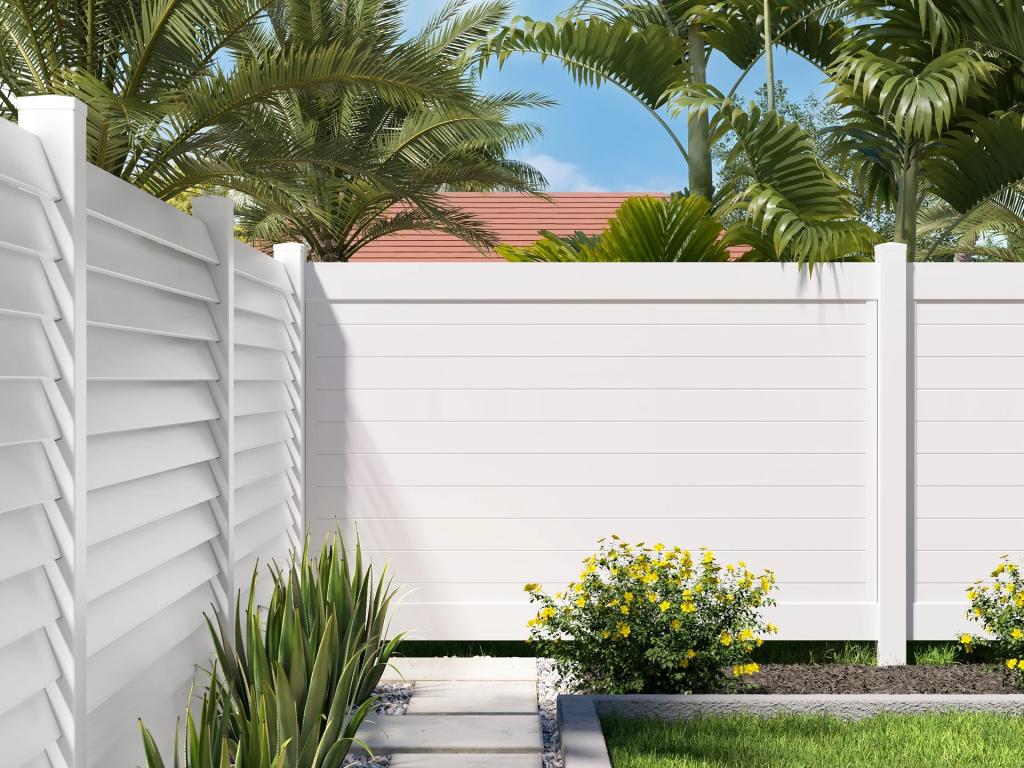
Modern horizontal fencing remains one of the most sought-after privacy solutions for coastal homes. Clean-lined horizontal boards provide substantial screening while maintaining an airy, contemporary appearance that complements both modern and traditional beach architecture. The trend has gained momentum because it strikes a balance between privacy and openness. Narrow gaps between boards allow ocean breezes to circulate while limiting direct sightlines into outdoor living spaces.
This approach works particularly well in California coastal communities, the Mid-Atlantic, and upscale Texas Gulf Coast neighborhoods where contemporary architecture is prevalent. In the Upper East coastal regions, homeowners often opt for painted versions that reference classic seaside palettes. For maximum durability, choose marine-grade aluminum, thermally modified wood, composite materials, or naturally resilient hardwoods that can withstand salt exposure.
Living Privacy Walls with Native Coastal Plantings
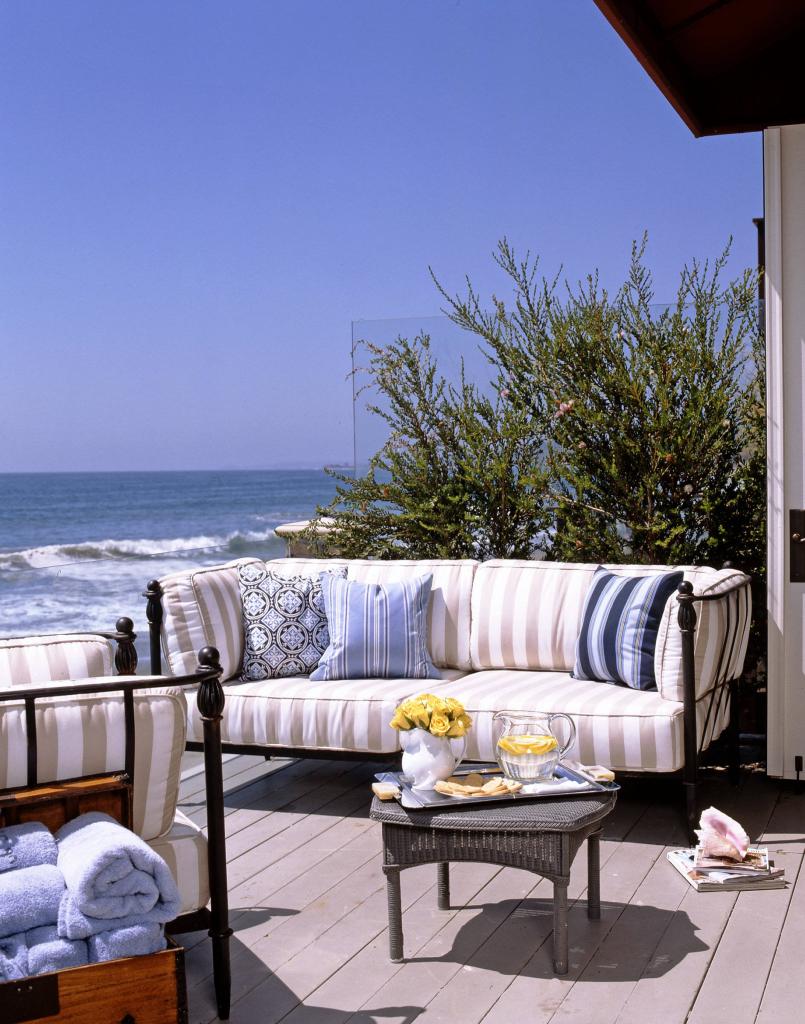
Rather than relying solely on fencing, many coastal homeowners are creating privacy through layered landscaping. Native shrubs, ornamental grasses, and evergreen screening plants form living walls that soften property boundaries while supporting local ecosystems. This trend aligns with the growing emphasis on sustainable coastal landscaping in 2026. Living screens provide habitat value, improve stormwater management, and often perform better than solid fencing during high-wind events.
In the Southeast, options such as wax myrtle and yaupon holly thrive. Texas Gulf Coast properties often utilize muhly grass and native shrubs, while California homeowners favor drought-tolerant screening plants. Pacific Northwest gardens frequently incorporate evergreen hedges and native conifers. Combining a lower fence with dense planting creates a layered effect that feels natural rather than defensive.
Pergolas with Integrated Privacy Screens
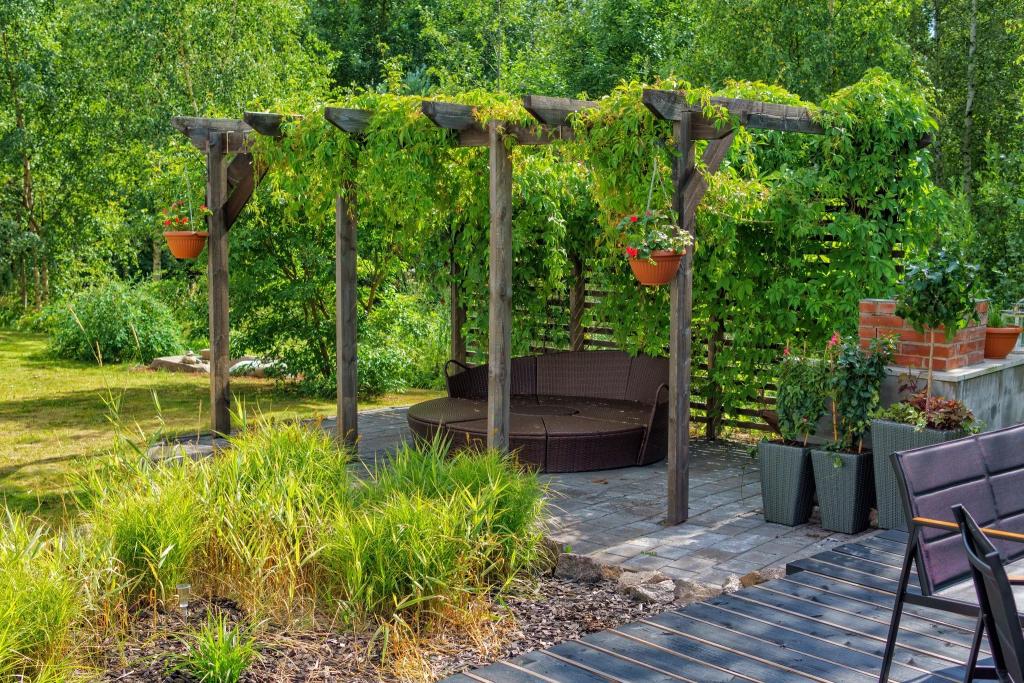
Pergolas have evolved from simple shade structures into sophisticated outdoor room-makers. Many new designs incorporate vertical screens, louvers, decorative panels, or climbing vines that create privacy without completely enclosing a space. This approach is especially popular because it addresses multiple challenges simultaneously: shade, privacy, and outdoor room definition. It can transform an exposed patio into a destination that feels separate from neighboring properties.
Pergolas are particularly effective in California, the Southeast, and Southwest coastal regions where outdoor living seasons are lengthy. In humid climates, open-sided structures maintain airflow while still reducing visual exposure. Homeowners can enhance privacy with retractable screens, outdoor curtains, laser-cut aluminum panels, or flowering vines adapted to local conditions.
Coastal Trellis Screens and Vertical Gardens
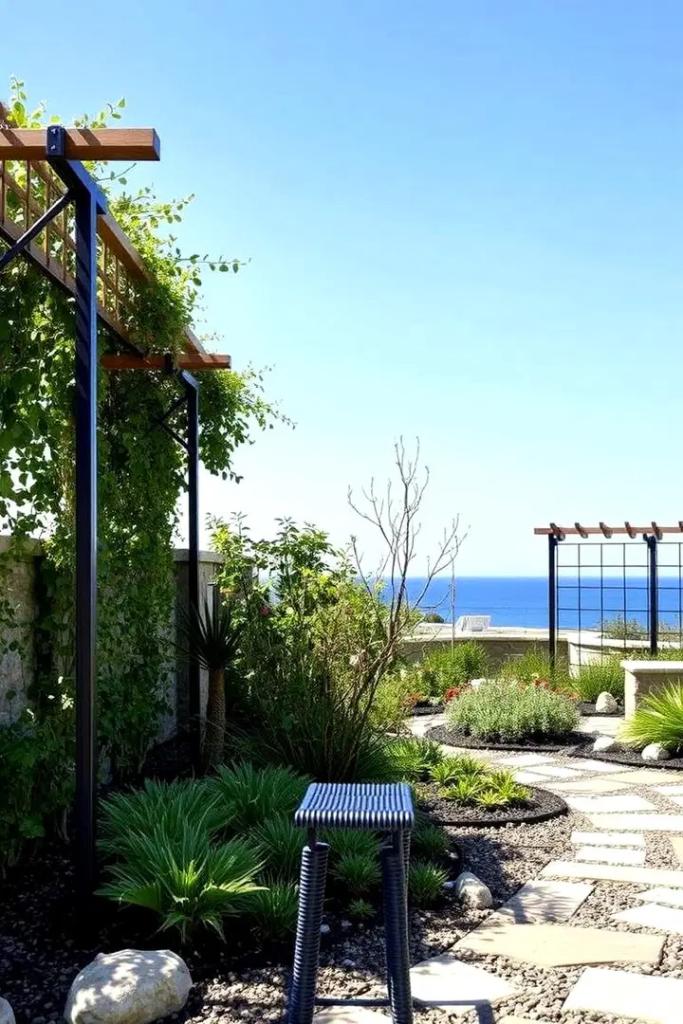
Trellises remain one of the most versatile privacy solutions available. Unlike solid fences, they provide partial screening while preserving sunlight and maintaining a lighter visual footprint. In 2026, designers are increasingly using oversized architectural trellises as focal points within outdoor living spaces. These structures support climbing plants while helping divide gardens into distinct zones.
This strategy works especially well on smaller beach lots in the Northeast and Mid-Atlantic, where maximizing usable outdoor space is a priority. It is equally valuable in California coastal communities where homeowners seek privacy without obstructing views. Consider incorporating jasmine, climbing roses, native honeysuckle, or other regionally appropriate vines to create a living screen that becomes more effective over time.
Mixed-Material Retaining Walls and Privacy Features
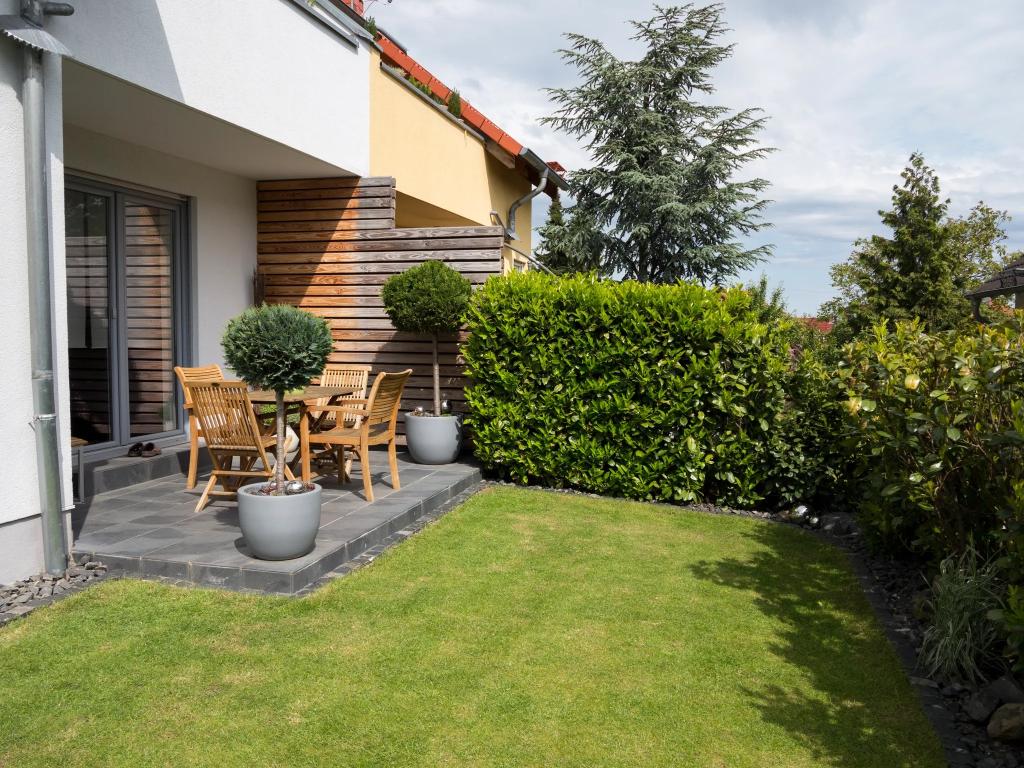
Many coastal properties require retaining walls to address sloping sites, erosion concerns, or grade changes. Designers are increasingly transforming these functional elements into integrated privacy solutions. Combining retaining walls with planters, built-in seating, screens, or layered landscaping creates a multi-purpose design feature that maximizes outdoor space while improving privacy.
This trend is particularly relevant in California’s coastal hillsides, Pacific Northwest waterfront properties, and portions of New England where terrain can be challenging. Elevated planting beds also help protect vegetation from salt spray and improve drainage. Natural stone, concrete, and weather-resistant composite materials are commonly paired with native plantings to create a seamless transition between architecture and landscape.
Decorative Aluminum Privacy Panels
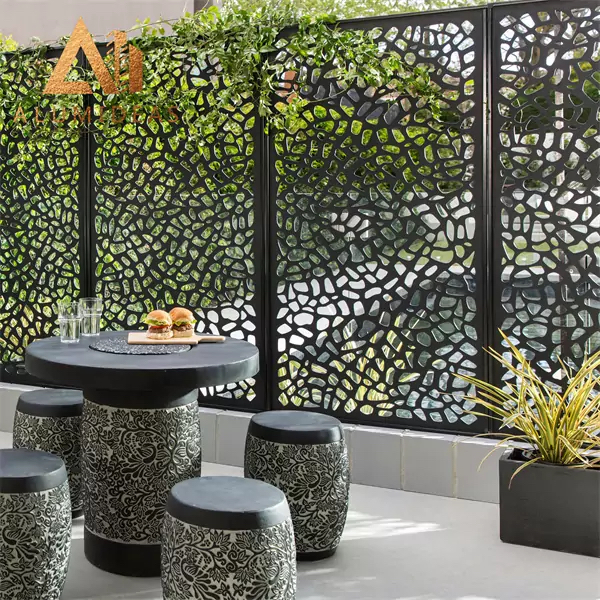
Decorative screening panels have become one of the fastest-growing categories in outdoor design. Available in countless patterns, these panels provide privacy while functioning as outdoor art. Unlike traditional fencing, laser-cut aluminum or composite screens can filter light, frame views, and create visual interest. Many homeowners use them selectively around pools, outdoor showers, hot tubs, and dining areas rather than enclosing entire properties.
Their durability makes them especially attractive in harsh coastal environments. Aluminum panels resist corrosion and require minimal maintenance, a significant advantage in salt-air locations. This solution works across virtually every coastal region, from Pacific Northwest waterfront homes to Gulf Coast beach properties and contemporary California residences.
The most effective privacy fences no longer function solely as barriers. Instead, they contribute to the overall experience of a coastal property by shaping views, defining outdoor rooms, and creating a stronger sense of retreat. Whether through architectural screens, living plantings, pergolas, trellises, or integrated retaining walls, today’s privacy solutions are designed to complement the landscape rather than compete with it. For beach homeowners, the goal is not complete isolation but thoughtful seclusion—creating outdoor spaces that feel protected while remaining connected to the natural beauty that makes coastal living so appealing in the first place. For more about living your best beach life, visit Beach Homes Lifestyles.