

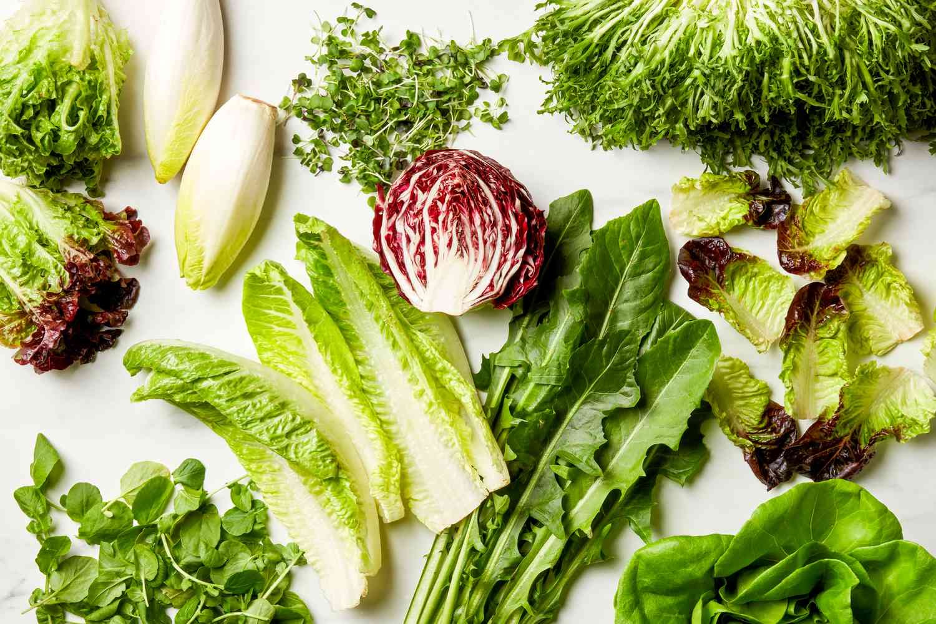
Along the American coast, warm-weather cooking is not only about reinvention but also about calibration. Ingredients shift subtly—lighter, fresher, more responsive to heat and salt air—and the way you build a dish follows suit. Lettuce, often treated as an afterthought, becomes far more consequential in this context. It’s not just a base—it’s structure, temperature, and contrast. A well-chosen lettuce determines whether a dish feels composed or incidental.
A Home Cook’s Guide
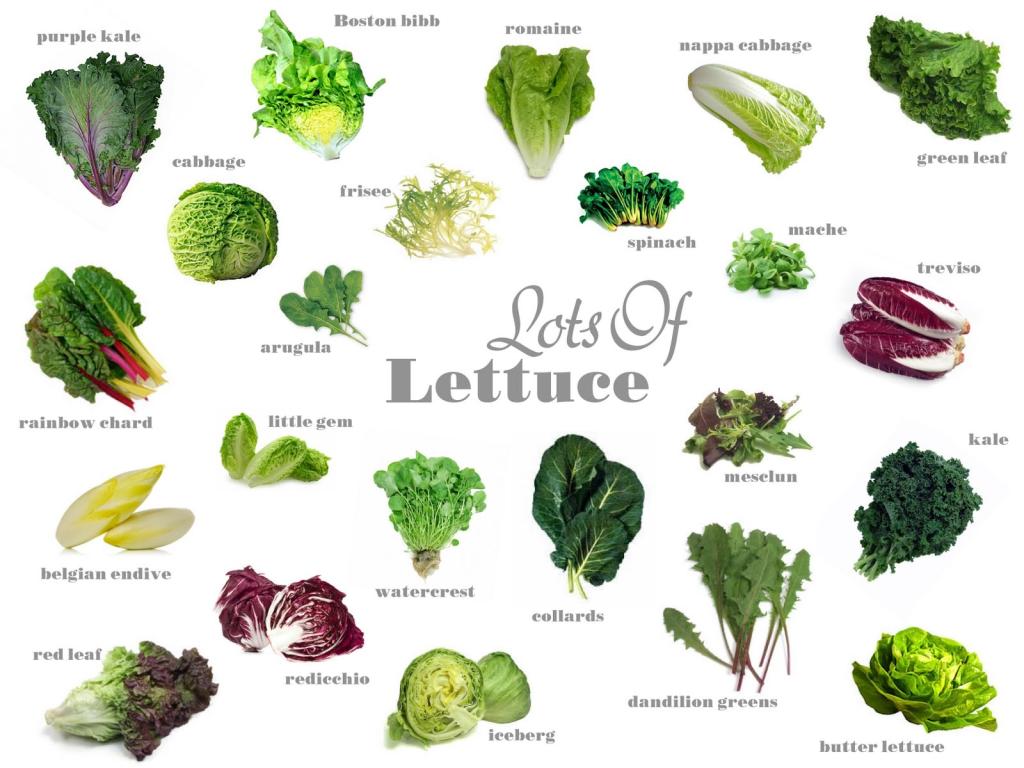
From the farm stands of the Upper East to the year-round growing corridors of California, lettuces peak in spring and early summer, offering a range that goes well beyond the standard rotation. Some varieties are crisp enough to grill or anchor seafood-forward entrées. Others are delicate, designed for quick dressing and immediate serving. Flavor matters just as much: bitterness can cut through rich shellfish or creamy dressings, while mild, sweet leaves allow peak-season ingredients—tomatoes, citrus, herbs—to take the lead.
Understanding how to use each type is what separates a routine salad from something more considered. Whether you’re cooking along the Mid-Atlantic, the Southeast, or the Gulf Coast, the following lettuces offer both versatility and specificity—each one suited to the flow of coastal living and the kind of meals that unfold slowly, often outdoors, and always with an eye toward balance. Here are seven of the most popular lettuce varieties for coastal cooking.
Butter Lettuce
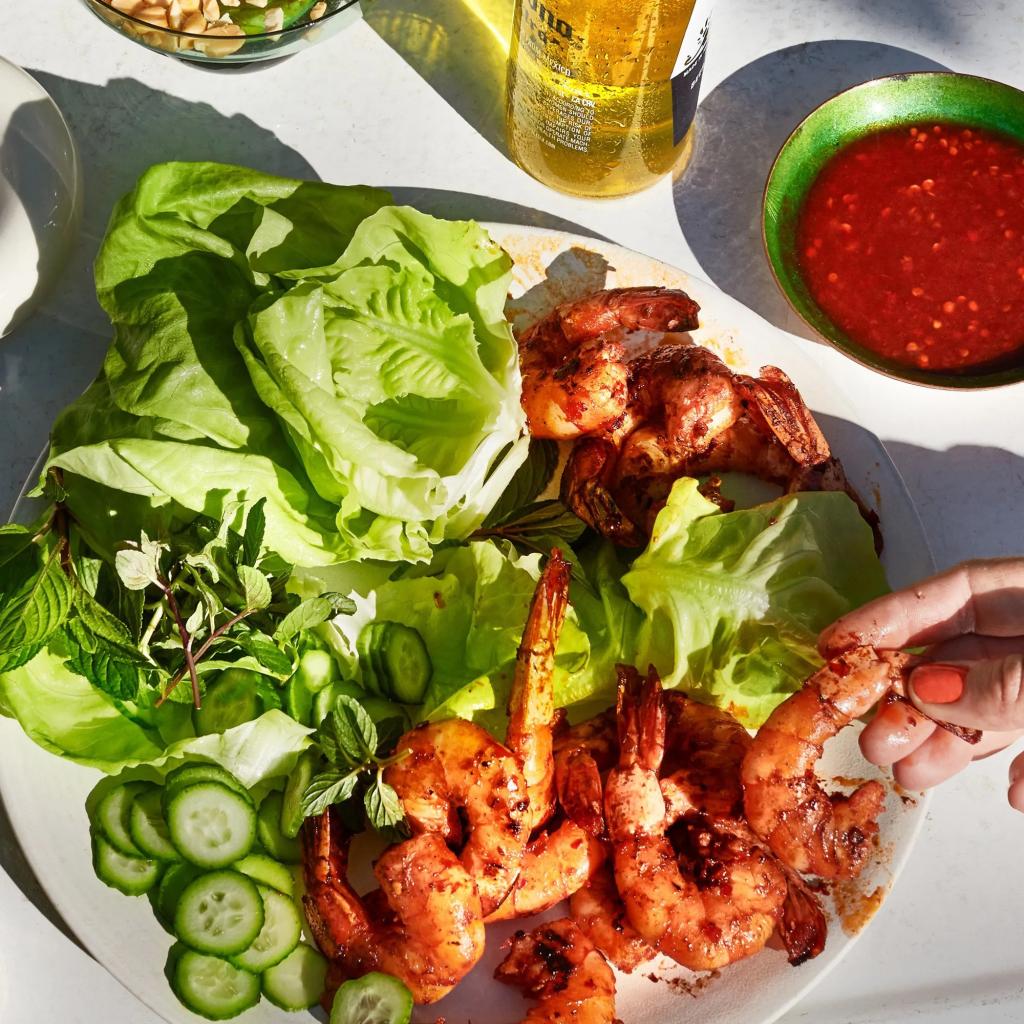
Butter lettuce (often Bibb or Boston) is defined by its soft, pliable leaves and mild, slightly sweet flavor. It’s less about crunch and more about texture—silky, almost luxurious—which makes it particularly well suited to the cooler coastal climates of the Upper East and the Pacific Northwest. This lettuce benefits from restraint. Use it for composed salads with lobster, poached shrimp, or chilled crab, dressed lightly with citrus vinaigrette. It also works beautifully as a vessel: lettuce cups filled with herbed grains, grilled chicken, or Gulf shrimp. Because of its delicacy, avoid heavy dressings or prolonged tossing—this leaf should be handled minimally and served immediately.
Romaine
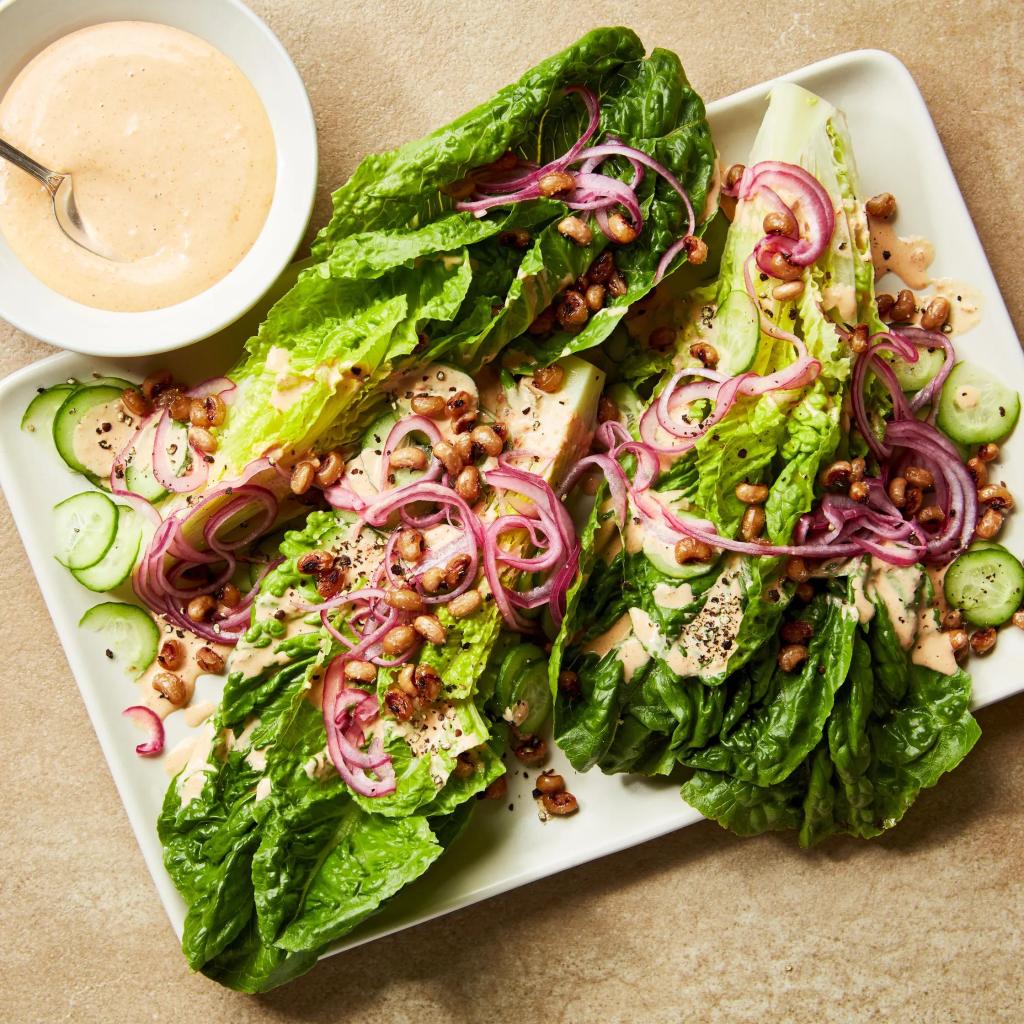
Romaine remains one of the most structurally reliable lettuces, with firm ribs and a clean, slightly bitter edge. Its durability makes it ideal for grilling—an approach widely used in California and increasingly common in Mid-Atlantic coastal kitchens. Halved and lightly charred, it develops a smoky depth that pairs well with grilled fish or steak. Beyond the classic Caesar, romaine works in warm salads with anchovy dressing, shaved vegetables, or stone fruit. Romaine’s crunch also holds up in sandwiches and seafood rolls, particularly along the Northeast coast.
Escarole
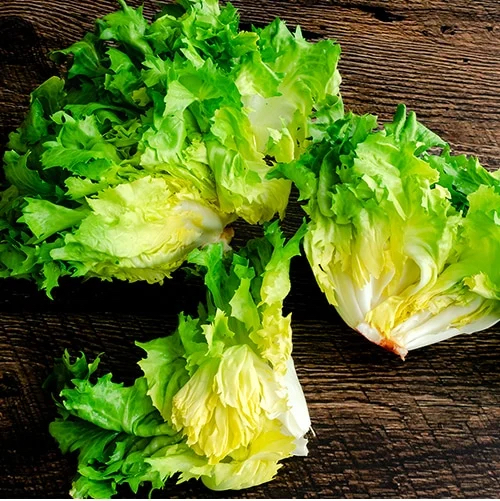
Escarole brings a slightly bitter, more substantial leaf to the mix, making it especially useful in transitional dishes that move between raw and cooked. Common in Italian coastal cooking and well-suited to Mid-Atlantic and Northeast kitchens, it holds up to heat in a way most lettuces cannot. Sauté it with garlic and olive oil for a simple side, or fold it into white bean soups with seafood—a natural fit for cooler evenings along the Upper East. It can also be used raw, balanced with citrus or creamy elements, but its real strength lies in its versatility. Along the Gulf Coast, escarole pairs well with grilled shrimp or spicy sausage, offering a grounded, slightly bitter counterpoint.
Arugula
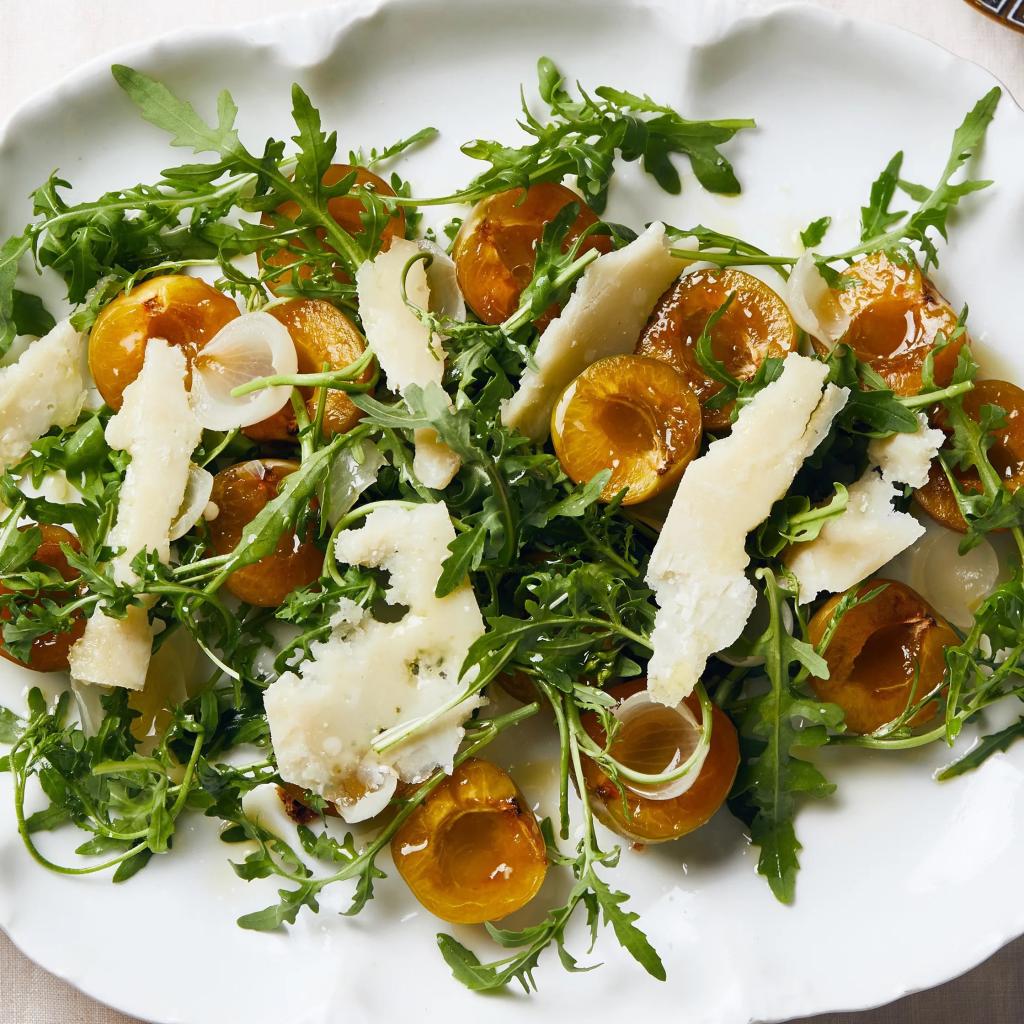
Arugula introduces a peppery sharpness that coastal menus rely on to balance richness. Common in California and Southeast coastal regions, it pairs especially well with seafood and citrus. Use it as a base for salads with grilled scallops or seared tuna, or scatter it over flatbreads and pizzas just before serving. It also integrates well into warm dishes—folded into pasta or used as a pesto alternative. Its assertive flavor allows it to stand up to bold vinaigrettes and grilled elements without getting lost.
Little Gem
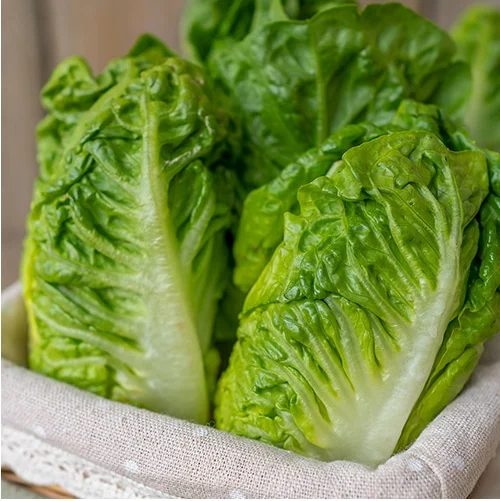
Little Gem bridges the gap between romaine and butter lettuce, combining crisp structure with a subtle sweetness. Popular in California coastal regions, it’s ideal for halved or quartered presentations—grilled, roasted, or served raw with dressing. Its compact size makes it particularly useful for plated salads or shared dishes. Pair it with Dungeness crab in the Pacific Northwest, grilled vegetables in the Mid-Atlantic, or simple lemon and olive oil alongside seafood. It holds dressing well without losing integrity, making it one of the more versatile options.
Frisée
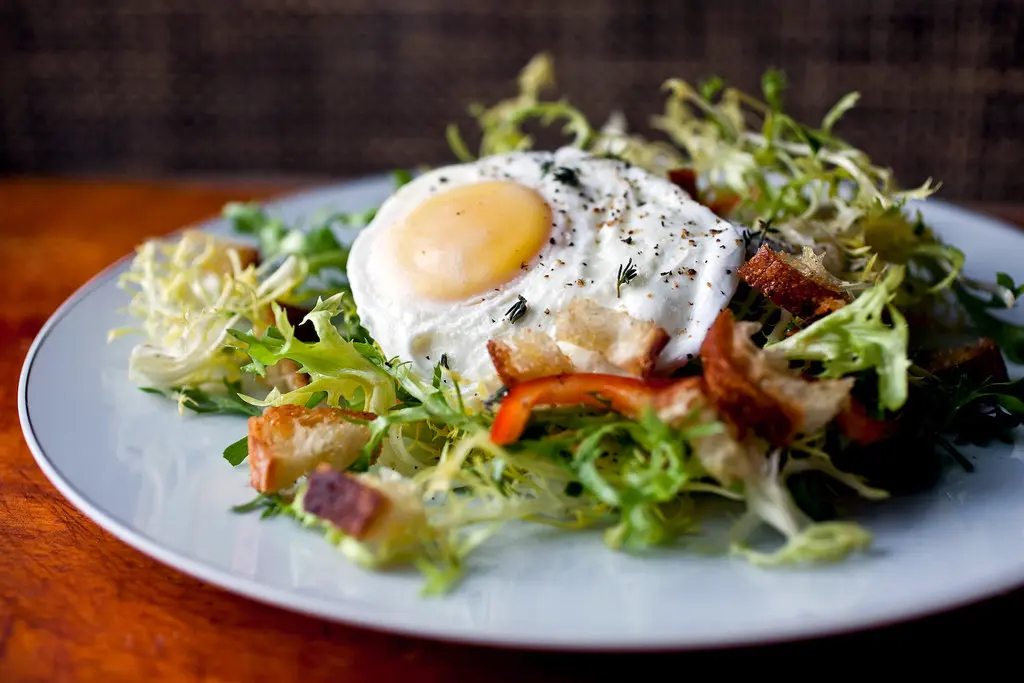
Frisée, technically a type of chicory, adds bitterness and texture with its fine, curly leaves. It’s often used in more composed, chef-driven dishes along the Upper East and California coasts. The flavor is slightly bitter and earthy, which makes it an effective counterpoint to rich ingredients. Classic preparations—like frisée with poached egg and bacon—translate easily to seafood, particularly seared scallops. It can also be lightly wilted into warm dishes or used to add structure to mixed greens. This lettuce offers contrast and complexity.
Red Leaf Lettuce
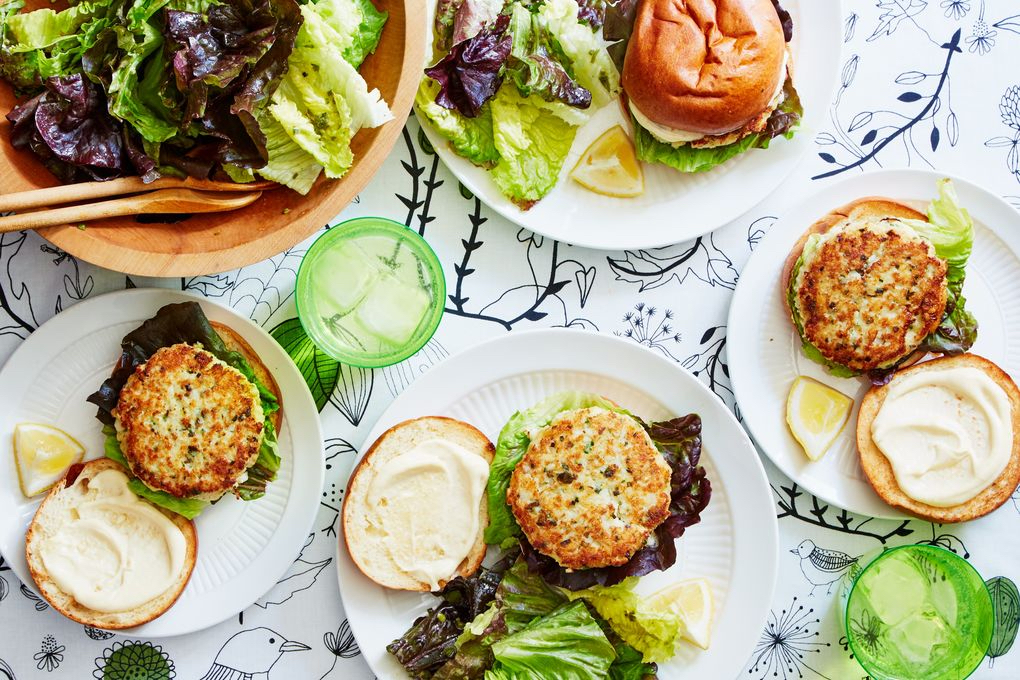
Red leaf lettuce offers a mild, slightly sweet flavor, a soft texture, and a visually striking color that works well for coastal entertaining. It’s widely grown across the Southeast and Gulf Coast, where warm weather supports quick turnover. Use it in simple salads with herbs and vinaigrette, or as a base for chilled seafood dishes. It also performs well in sandwiches, fish burgers, and wraps, adding both color and a gentle bite. Pair it with grilled corn, tomatoes, or citrus for a dish that feels distinctly tied to summer.
When you start treating lettuce as an ingredient with structure, flavor, and purpose, your entire approach to summer cooking shifts. Along the coast, where meals are shaped by climate and immediacy, these distinctions matter. Butter lettuce invites restraint, romaine welcomes heat, escarole bridges raw and cooked preparations, and more assertive greens like arugula and frisée bring balance where it’s needed. The goal isn’t complexity for its own sake—it’s precision. Choose the right leaf, and the rest of the dish tends to fall into place. For more inspired ideas to live your best beach life, visit Beach Homes Lifestyles.