

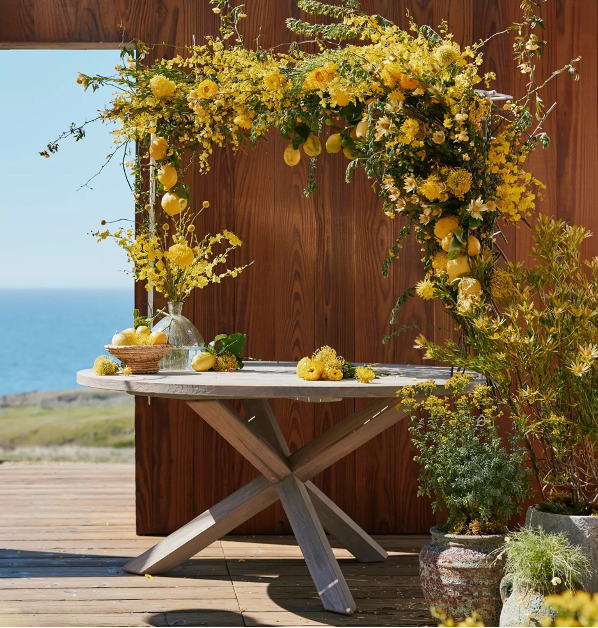
By the time you reach a beach home patio or garden, the architecture has already made its first impression. The outdoor living spaces should continue that experience rather than simply filling the gap between the house and the shoreline. That’s where a thoughtfully designed trellis earns its place. Far more than supports for climbing vines, today’s trellises have become architectural elements that define outdoor rooms, filter sunlight, enhance privacy, and create visual tempo throughout a coastal landscape.
For beach homeowners, these structures offer practical advantages alongside their aesthetic appeal. They can soften intense afternoon sun without completely blocking ocean breezes, screen neighboring properties while preserving water views, and provide a framework for salt-tolerant climbing plants that thrive in challenging coastal conditions. Designers are increasingly treating trellises as extensions of the home’s architecture, specifying materials that withstand salt air while complementing everything from classic shingle-style cottages in New England to sleek contemporary homes along the California coast.
The strongest designs in 2026 emphasize restraint and permanence rather than ornamentation. Natural materials, clean lines, native plantings, and multifunctional layouts are replacing decorative garden features that feel disconnected from the surrounding landscape. Whether you’re updating a compact oceanside courtyard or designing a sprawling waterfront property, the following trellis and pergola ideas demonstrate how thoughtful architectural elements can elevate an outdoor space into a sophisticated coastal retreat.
Architectural Pergola-Trellis Hybrids That Define Outdoor Rooms
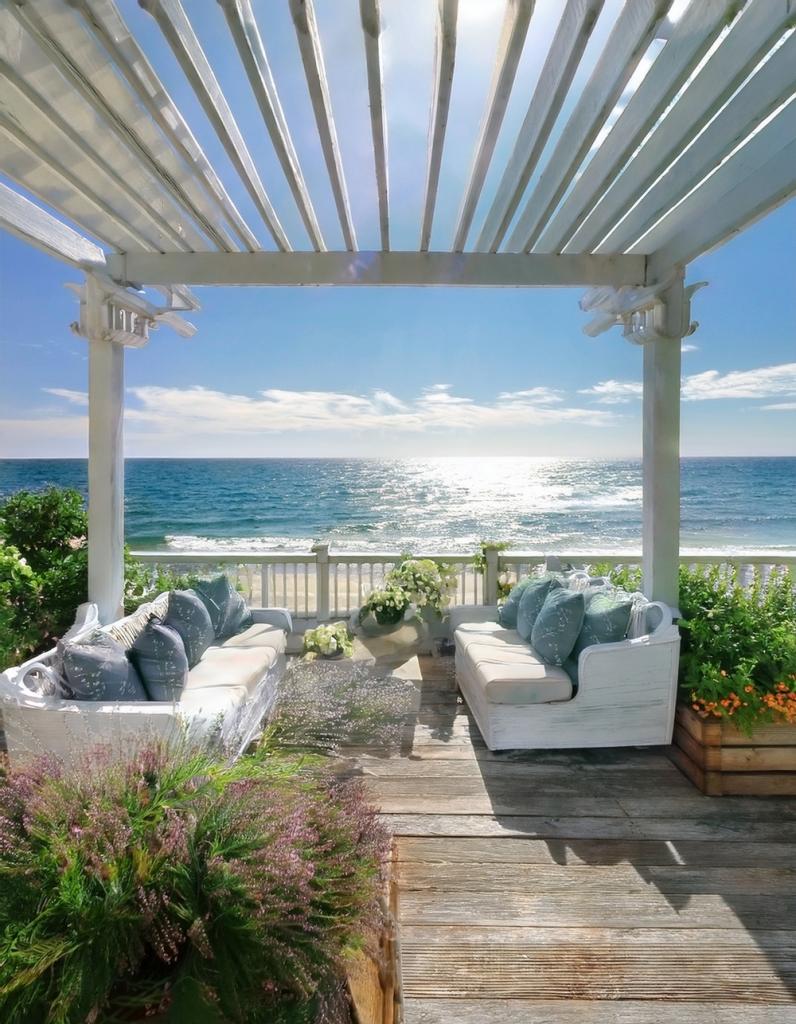
Rather than treating a trellis as a standalone garden feature, designers are integrating it into pergolas, covered terraces, and outdoor kitchens to establish distinct living zones. Vertical lattice panels combined with overhead slats create filtered shade while maintaining airflow—essential for humid coastal climates. This architectural approach feels especially current because homeowners increasingly expect outdoor spaces to function like interior rooms. The trellis becomes part of the home’s structure rather than an afterthought.
Best suited for: California, Southeast beaches, and Texas Gulf Coast, where strong sun makes partial shade a necessity.
How to implement it:
- Match the trellis proportions to the home’s architecture.
- Specify powder-coated aluminum, marine-grade stainless steel, or naturally durable hardwoods like ipe or Accoya.
- Add integrated lighting and ceiling fans beneath the structure.
- Train climbing jasmine or star jasmine where climate permits while keeping structural lines visually clean.
Living Privacy Screens with Salt-Tolerant Climbers
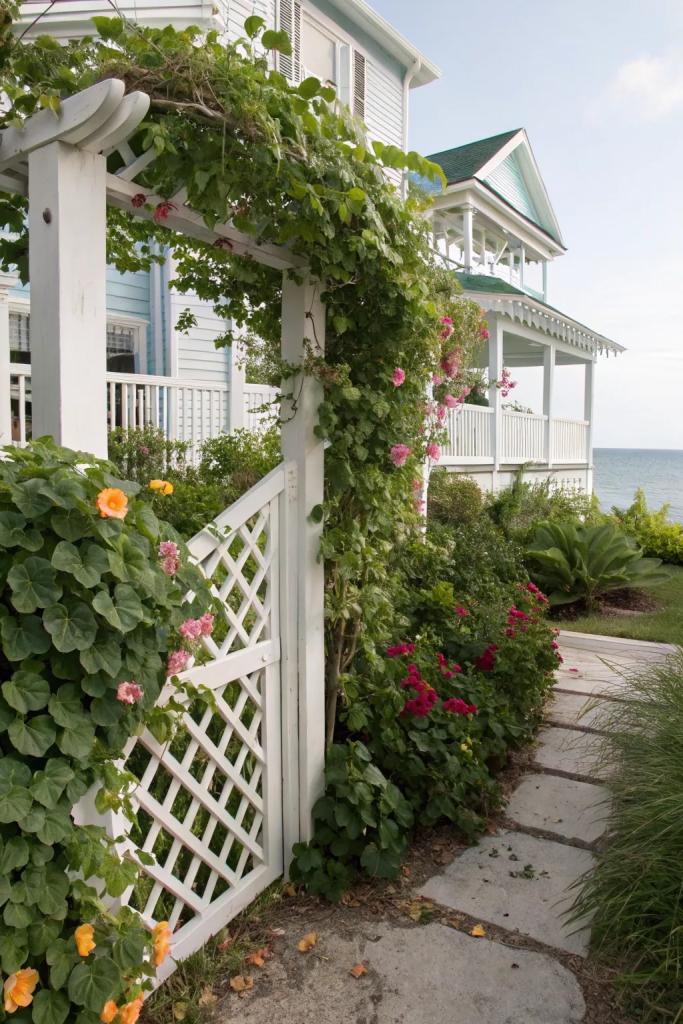
Privacy remains one of the biggest challenges in densely developed beach communities. Instead of installing solid fencing that interrupts breezes, designers are specifying open trellis screens planted with climbing vines. The result creates layered privacy while preserving the relaxed openness that defines coastal landscapes. This strategy works particularly well because it introduces texture and greenery without creating visual heaviness.
Best suited for: Mid-Atlantic, Southeast, and California communities where neighboring homes sit relatively close together.
How to implement it:
- Position trellis panels beside outdoor showers, dining terraces, or hot tubs.
- Select salt-tolerant climbers such as coral honeysuckle, Confederate jasmine, or bougainvillea in warmer climates.
- In cooler coastal regions, climbing hydrangea provides seasonal interest.
- Allow filtered views instead of completely enclosing the space.
Coastal Garden Gates Framed by Sculptural Trellises
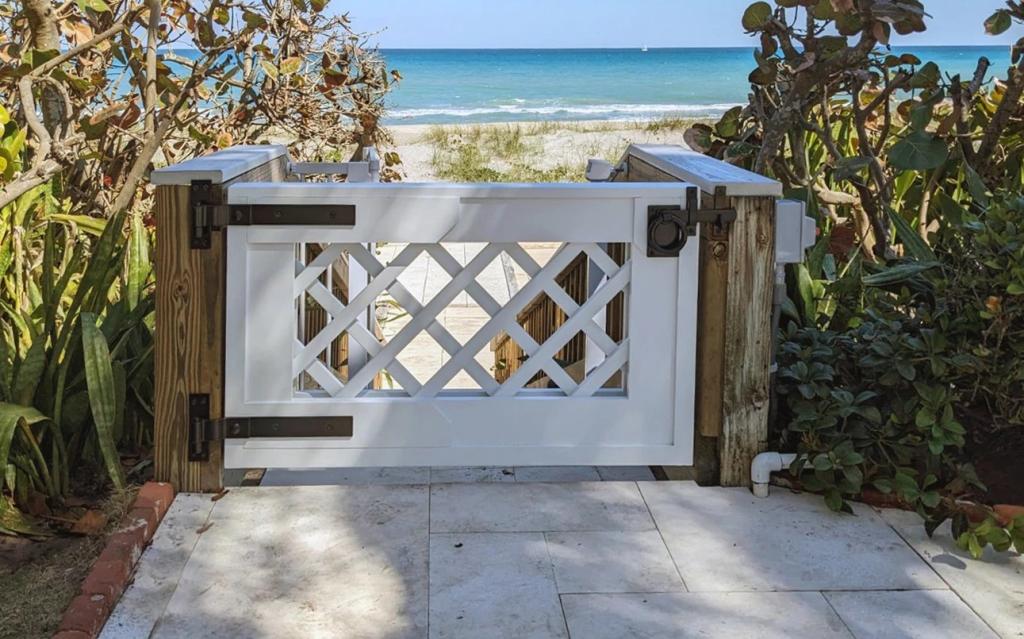
Garden entrances are becoming destination moments rather than simple transitions. Designers are framing pathways with sculptural trellises that establish arrival while supporting flowering vines overhead. This creates depth across the landscape and visually connects different outdoor spaces. Unlike heavily decorative arbors of previous decades, today’s versions rely on crisp geometry and durable materials that age gracefully in marine environments.
Best suited for: Upper East coastal communities, Mid-Atlantic beaches, and Pacific Northwest waterfront properties.
How to implement it:
- Align the gate with a significant architectural view.
- Use cedar or thermally modified wood for exceptional weather resistance.
- Keep planting restrained, allowing the structure itself to remain visible year-round.
- Incorporate low-voltage pathway lighting beneath the arch.
Cable and Modern Lattice Systems for Contemporary Coastal Homes
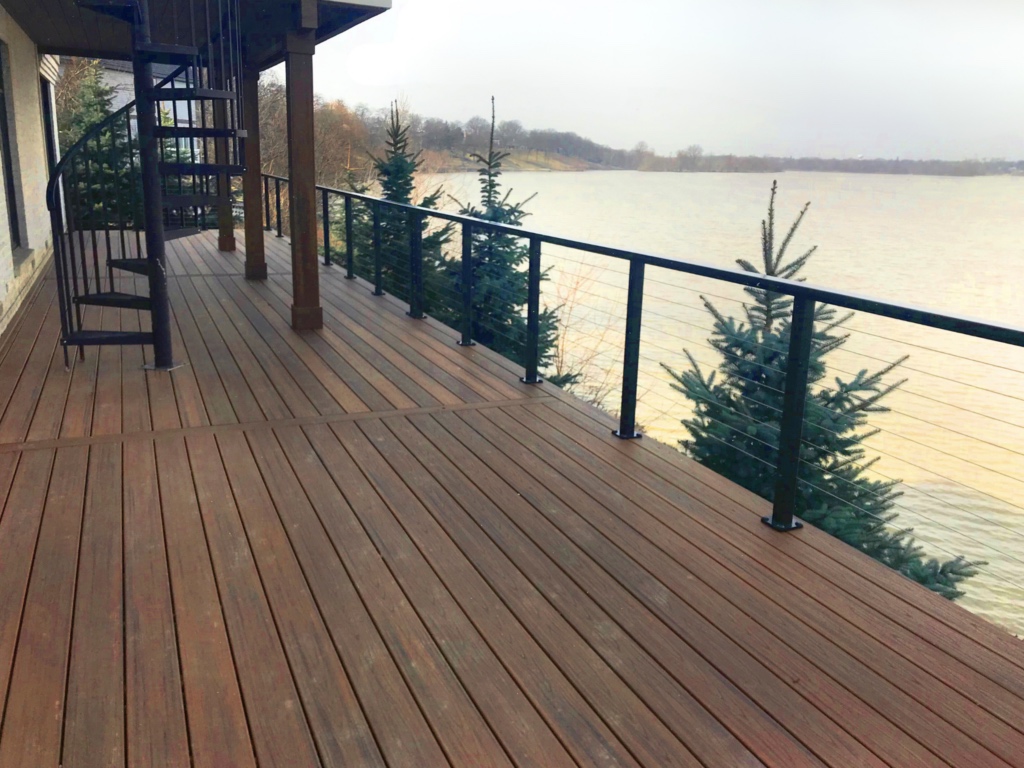
Minimalist beach homes benefit from trellis systems that emphasize transparency rather than heavy framing. Stainless-steel cables, slim aluminum grids, and geometric lattice panels provide support for climbing plants without competing with ocean views. This contemporary interpretation has become increasingly popular as coastal architecture continues moving toward cleaner, more modern forms.
Best suited for: California, Pacific Northwest, and contemporary Gulf Coast residences in Texas.
How to implement it:
- Install cable trellises against stucco or concrete walls.
- Train vines selectively instead of covering the entire structure.
- Combine with drought-tolerant landscaping and ornamental grasses.
- Repeat the same geometric pattern elsewhere on the property for cohesion.
Freestanding Trellises That Create Wind-Protected Garden Rooms
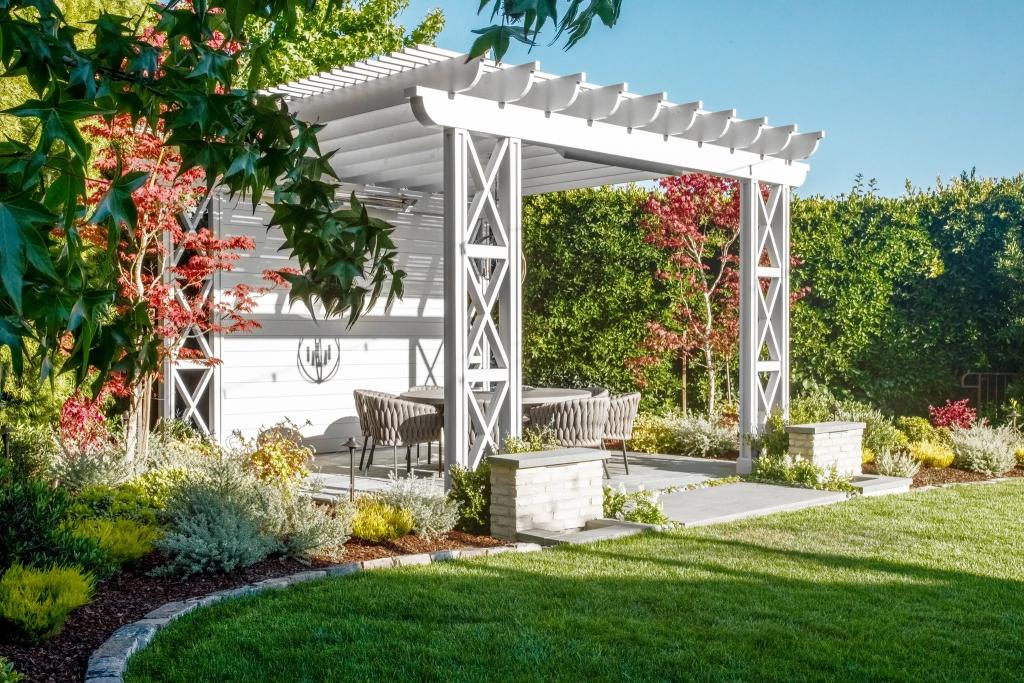
Large beachfront properties often struggle with persistent winds. Designers are solving the problem by placing freestanding trellis walls strategically throughout the landscape. These structures subtly redirect prevailing breezes while creating intimate seating areas without fully enclosing the space. The layered approach also adds visual interest across expansive properties where traditional fencing would feel overly rigid.
Best suited for: Pacific Northwest, Northeast shoreline properties, and exposed California bluffs.
How to implement it:
- Position panels perpendicular to prevailing winds.
- Mix open lattice with native dune grasses.
- Incorporate built-in benches or fire features nearby.
- Use weather-resistant hardwoods or aluminum framing for longevity.
Trellises Supporting Native Coastal Planting
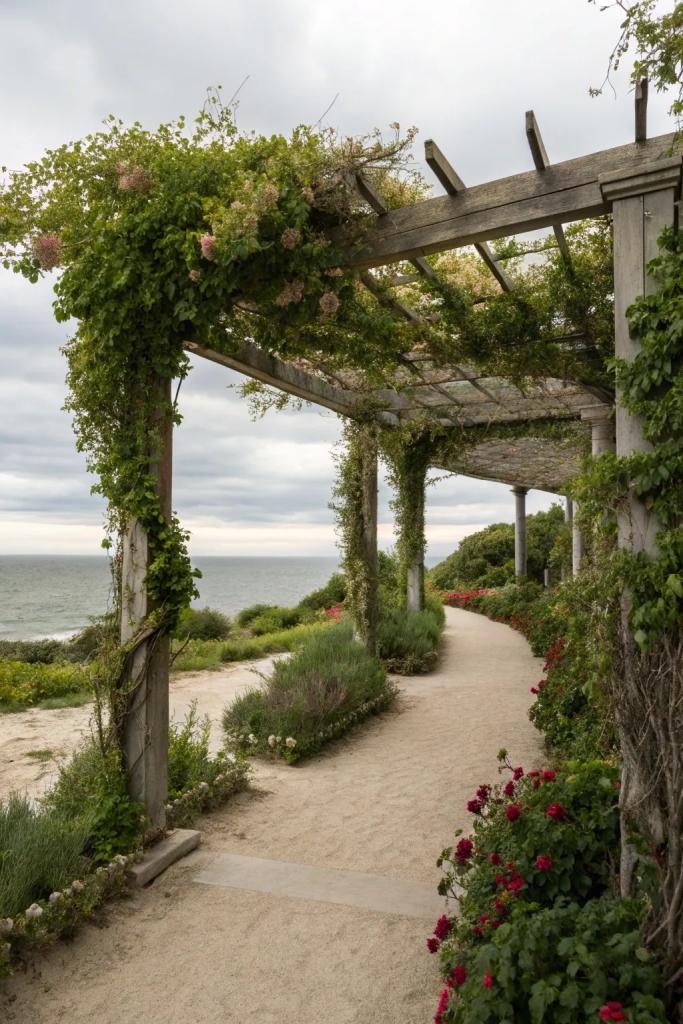
Perhaps the most enduring 2026 trend is pairing trellises with regionally appropriate plantings rather than importing species unsuited to coastal environments. Designers increasingly emphasize ecological resilience, selecting vines and companion plants that tolerate salt spray, sandy soils, and changing weather conditions. The result requires less maintenance while supporting local pollinators and preserving the character of each coastal region.
Best suited for every U.S. coastline, with plant selections tailored to local growing conditions—from native honeysuckle in the Southeast to evergreen clematis in the Pacific Northwest and drought-tolerant vines throughout California.
How to implement it:
- Consult local extension services for native climbing plants.
- Pair trellises with permeable hardscaping and rain-friendly drainage.
- Avoid invasive vines that can overwhelm structures.
- Allow seasonal variation instead of maintaining a uniformly covered trellis year-round.
A well-designed trellis does more than support climbing plants—it shapes how a coastal landscape is experienced throughout the day. It frames views, tempers sunlight, organizes outdoor rooms, and provides structure that matures alongside the surrounding garden. By choosing durable materials, respecting regional growing conditions, and treating the trellis as part of the home’s overall design, beach homeowners can create outdoor living areas that remain both beautiful and functional for decades. For more about living your best beach life, visit Beach Homes Lifestyles.