

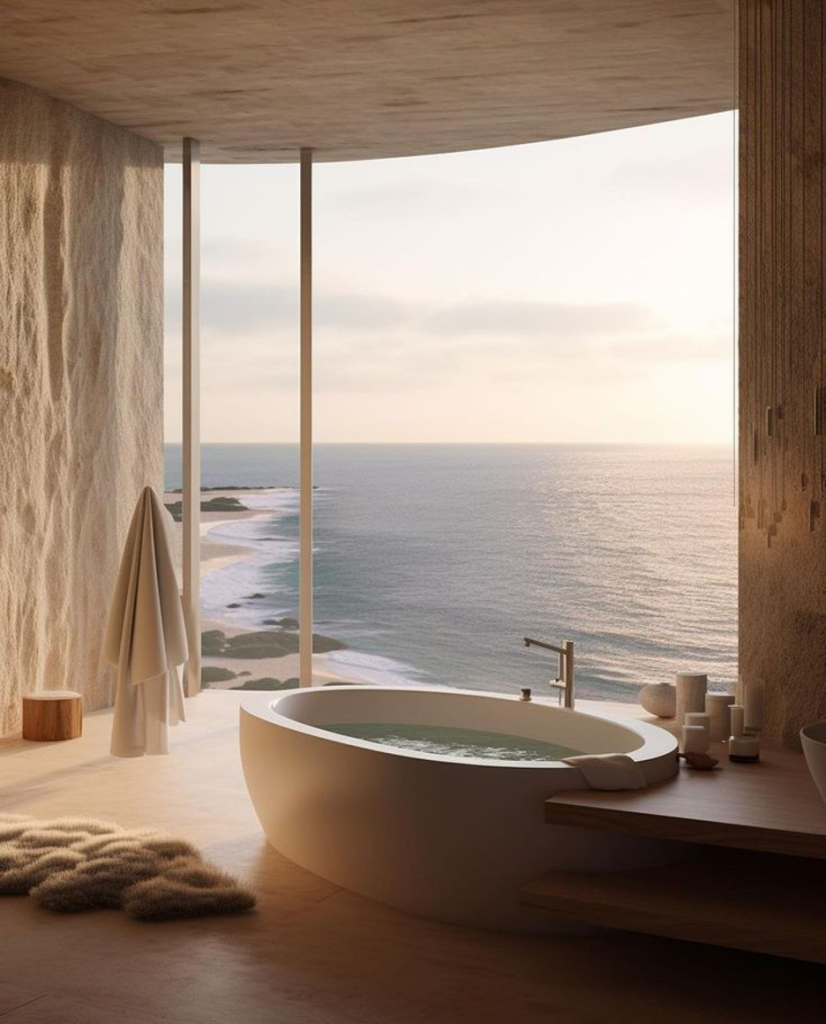
The modern coastal home is no longer designed solely for entertaining guests or maximizing views. Increasingly, homeowners across the United States are carving out dedicated spaces for restoration, mindfulness, and physical well-being. In-home wellness rooms have evolved from luxury amenities into practical lifestyle features that support healthier daily routines and emotional balance. Whether it’s a spa-inspired bathroom, a meditation lounge, a creative retreat, or a compact home gym overlooking the ocean, these intentionally designed environments offer privacy, calm, and a sense of refuge from overstimulation.
For coastal homeowners, wellness design naturally aligns with the currents of seaside living. Ocean air, natural light, breezes, water views, and organic textures all contribute to spaces that feel restorative without requiring elaborate renovations or excessive spending. Across the Upper East Coast, Mid-Atlantic, Southeast, Gulf Coast, Pacific Northwest, Northern California, and Southern California, regional climate and architecture influence the design of wellness rooms. Cedar-lined saunas suit cooler northern climates, while breezy movement studios and indoor-outdoor spa bathrooms thrive in warmer coastal regions.
The most successful wellness spaces are deeply personal. They prioritize comfort, calm, and intentionality rather than perfection or size. Natural materials, biophilic design, layered lighting, soothing scents, acoustic softness, and tactile elements all help transform ordinary rooms into restorative sanctuaries. Whether modest or expansive, a thoughtfully designed wellness room allows coastal homeowners to recharge, reconnect, and create a healthier relationship with their home environment. Below are six concepts you can implement at home and customize to suit your budget.
The Home Gym or A Room Dedicated to Movement
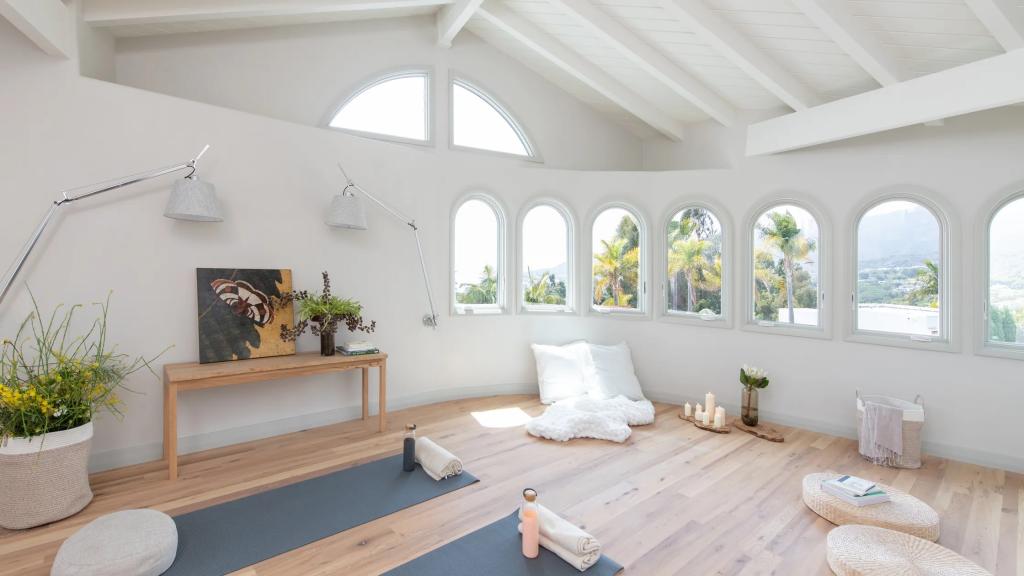
Today’s home gym is less about bulky equipment and more about creating a motivating environment that encourages movement. Coastal homeowners increasingly prefer wellness-focused fitness rooms with yoga, Pilates, stretching, light strength training, or low-impact cardio.
In Pacific Northwest coastal regions, movement rooms often feature warm woods, large windows, and infrared heating to offset gray weather. Northern California homeowners favor indoor-outdoor fitness spaces with retractable glass walls and sustainable materials. In Gulf Coast and Southeastern homes, ceiling fans, moisture-resistant flooring, and open airflow are essential for comfort.
A dedicated movement room does not require a large amount of square footage. A quiet guest room, garage conversion, or screened porch can work beautifully. Cork flooring, resistance bands, free weights, yoga mats, and a wall-mounted mirror instantly make a space more functional. Positioning the room near natural light improves mood and motivation.
The Calm Oasis or Chill Space
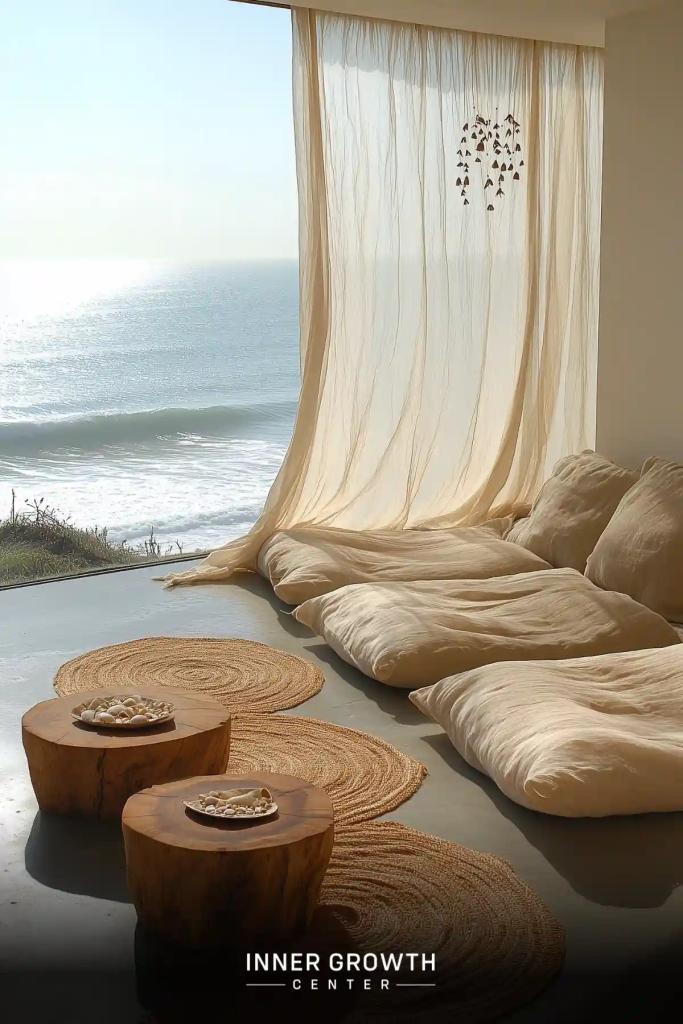
Not every wellness room needs to focus on physical fitness. Calm rooms, often called “reset rooms” or “quiet lounges,” are designed specifically for decompression. These distraction-free environments support reading, meditation, breathwork, journaling, or simply unplugging.
This trend resonates particularly well in fast-paced Mid-Atlantic and Southern California coastal communities where homeowners seek relief from overstimulation. Neutral palettes, low seating, textured fabrics, and soft lighting help establish psychological calm. In Northern California and Pacific Northwest homes, earthy palettes and biophilic design elements reinforce a connection to nature.
Affordable additions include oversized floor cushions, woven rugs, blackout drapery, candles, indoor plants, and sound machines. Soft blues, sandy beiges, sage greens, and driftwood tones reflect the surrounding coastal environment while promoting relaxation.
The Spa Room or Small Bathroom Oasis
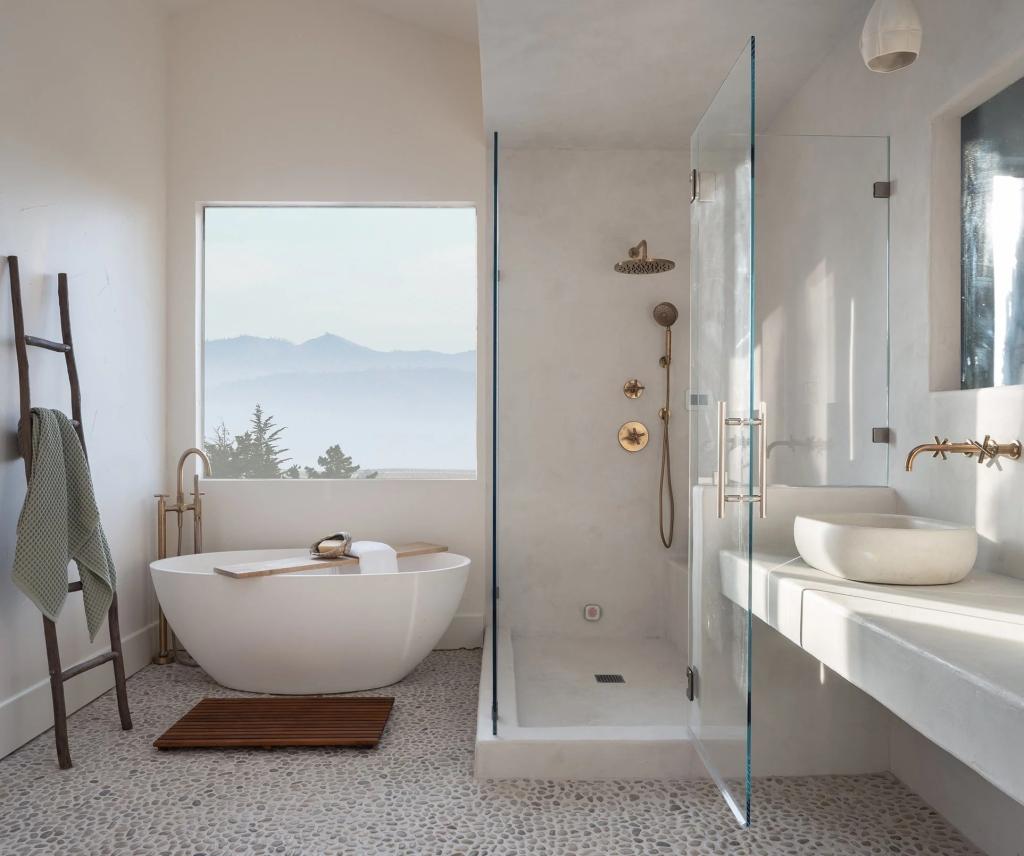
A spa-inspired bathroom remains one of the most sought-after wellness upgrades in coastal homes because it combines everyday function with restorative design. Homeowners are increasingly transforming primary bathrooms into retreat-like environments with soaking tubs, rainfall showers, heated floors, and aromatherapy features.
In the Upper East and Mid-Atlantic coastal regions, radiant floor heating and steam showers are especially practical during cold winters. Marble, limestone, and brushed brass fixtures complement classic shingle-style architecture. In Southeastern and Gulf Coast homes, oversized windows, white oak vanities, and indoor-outdoor shower concepts maximize warmth and humidity-friendly living. Southern California residences often incorporate minimalist spa aesthetics with limewash walls and teak accents.
Easy upgrades include eucalyptus bundles in the shower, dimmable sconces, plush towels, essential oil diffusers, and layered natural textures like linen and rattan. Salt scrubs, warm neutrals, and calming scents such as bergamot or lavender reinforce the feeling of a personal wellness retreat.
The Steam or Sauna Room
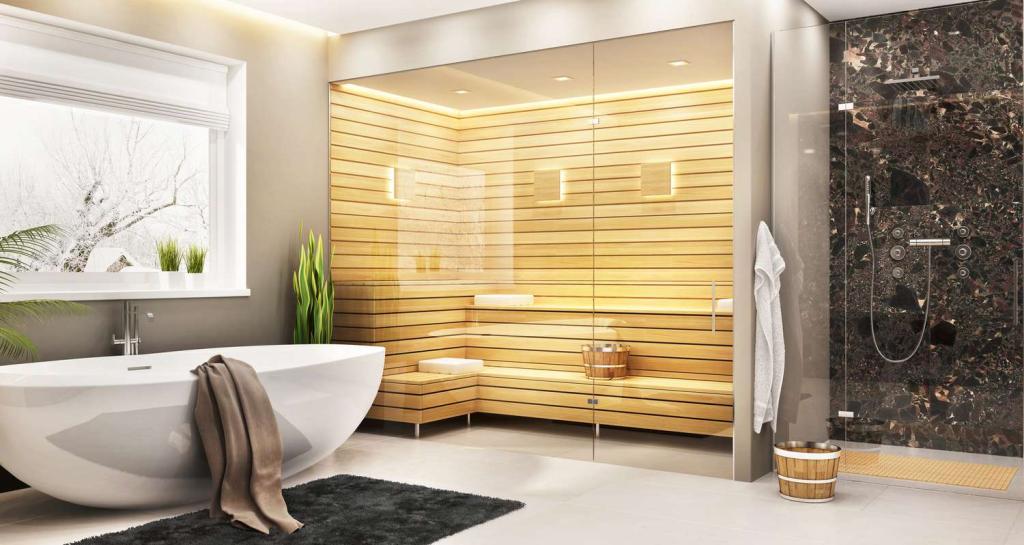
Saunas and steam rooms have become increasingly mainstream as homeowners prioritize recovery, circulation, stress reduction, and cold-weather comfort. Once reserved for luxury spas, compact infrared saunas and modular steam systems are now accessible for residential renovations.
This feature is particularly popular in the Pacific Northwest, Northern California, and the Upper East Coast, where cooler temperatures make heat therapy appealing year-round. Cedar interiors naturally resist moisture while creating a warm, aromatic environment. In Southern California, minimalist infrared saunas pair well with modern architecture and wellness-focused lifestyles.
Even small homes can incorporate wellness heat therapy through compact two-person infrared sauna units or steam shower conversions. Pairing these spaces with cold plunge tubs, natural stone, and soft ambient lighting elevates the experience significantly.
The Creative Corner or Craft Room
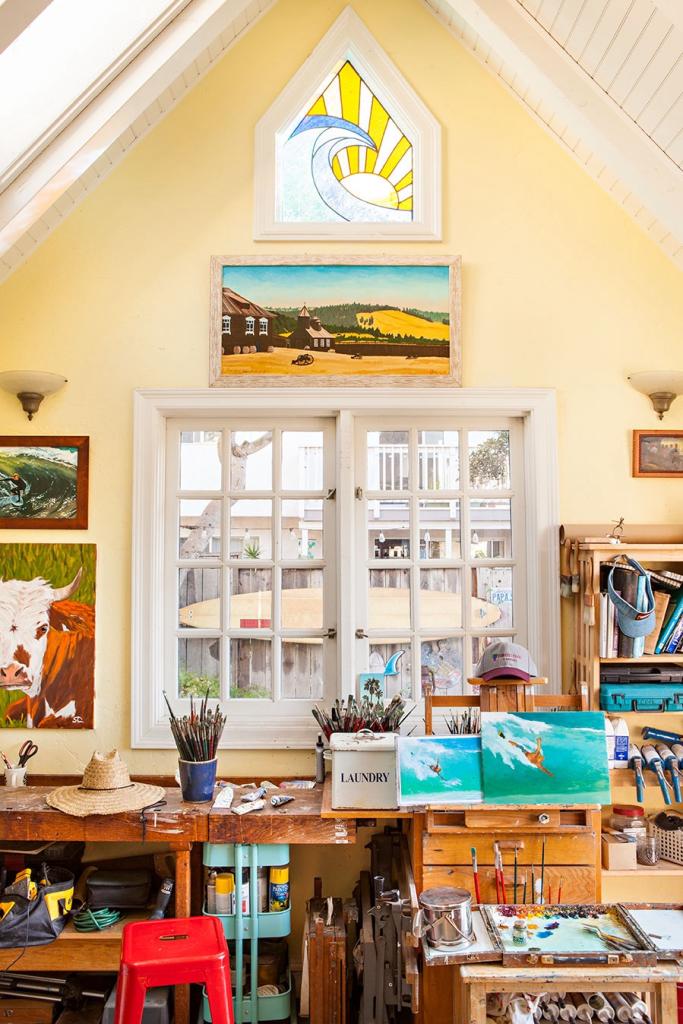
Creative wellness spaces are gaining momentum because many homeowners now view artistic expression as equally restorative as physical exercise. Craft rooms, painting studios, writing nooks, and maker spaces encourage mindfulness through hands-on creativity.
In the Southeastern and Gulf Coast regions, bright colors and natural light complement artistic environments inspired by coastal scenery. Northern California homeowners often lean toward sustainable materials and multipurpose creative spaces that function as hybrid offices and studios.
Simple ways to achieve this include installing open shelving, large worktables, pegboards, comfortable seating, and adjustable lighting. Sea glass collections, woven baskets, watercolor palettes, and natural textures reinforce the coastal atmosphere while encouraging creativity without pressure.
The Sound Lounge or Soundproof Space
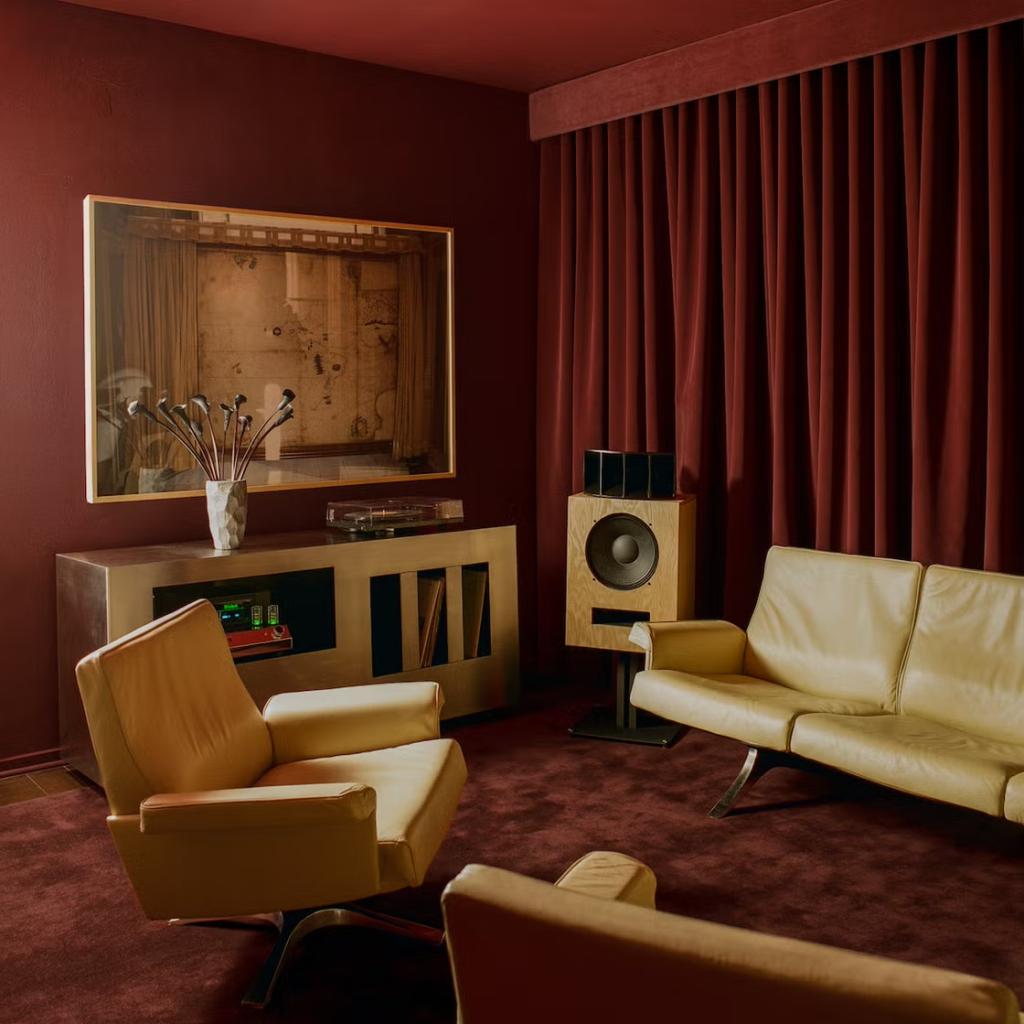
One of the newest wellness trends involves designing quiet acoustic spaces dedicated to music, meditation, sound baths, podcasts, or uninterrupted reflection. Sound lounges offer sensory relief from constant digital noise and household distractions.
This concept works especially well in densely populated Southern California and Mid-Atlantic coastal communities where privacy can be limited. Upholstered walls, acoustic panels, heavy drapery, and textured surfaces soften sound while creating intimacy. In Pacific Northwest homes, darker tones and layered wood textures create cocoon-like environments ideal for rainy seasons. Bluetooth speakers, record players, meditation apps, white-noise machines, and floor seating easily enhance the experience. The goal is not silence alone, but intentional listening and emotional reset.
As wellness-centered living continues shaping residential design, coastal homeowners are increasingly viewing their homes as places of restoration rather than simple shelter. Wellness rooms encourage healthier habits while deepening the connection between environment and emotional well-being. Whether through movement, creativity, heat therapy, quiet reflection, or sensory calm, these personalized spaces create daily opportunities to slow down and recharge. In coastal regions where natural beauty already promotes relaxation, thoughtfully designed wellness rooms extend that restorative atmosphere indoors, making the home itself an active contributor to physical and mental balance. For more about living your best beach life, visit Beach Homes Lifestyles.