

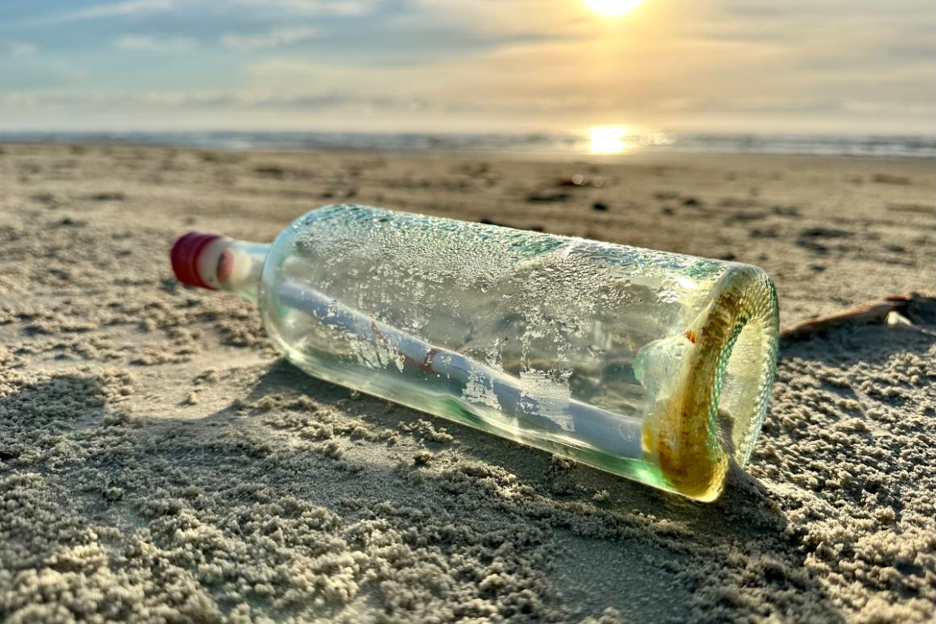
Beachcombing along the Gulf Coast offers a distinct experience shaped by calm waters, expansive shorelines, and a surprising abundance of natural detail. For coastal enthusiasts, the Gulf presents a more measured rhythm than the Atlantic—gentler tides, warmer breezes, and long stretches of sand that invite unhurried exploration. Walking these beaches provides low-impact exercise that engages the body without strain, while the salt-laden air and steady horizon contribute to mental clarity and a sense of reset. The act itself—scanning the tideline, pausing to inspect a shell or fragment—encourages focus and quiet attention. It’s both restorative and subtly engaging.
The Gulf is especially rewarding for what it yields. Shells are often more plentiful and intact than on rougher coasts, and it’s not uncommon to come across sand dollars, coquina clusters, whelks, or the occasional piece of sea glass. That said, experienced beachcombers understand that not every find is meant to be collected. Many state parks and protected shorelines have regulations that limit or prohibit the removal of shells, driftwood, or other natural materials. These policies help preserve delicate ecosystems and maintain the integrity of the shoreline. Before collecting, it’s worth checking posted signage or local guidelines to ensure compliance. With that in mind, the Gulf Coast—from Florida’s panhandle to Texas—offers a range of beaches well suited to thoughtful, rewarding beachcombing. Here are six popular locations along the Gulf to enjoy.
Sanibel Island – Sanibel, Florida
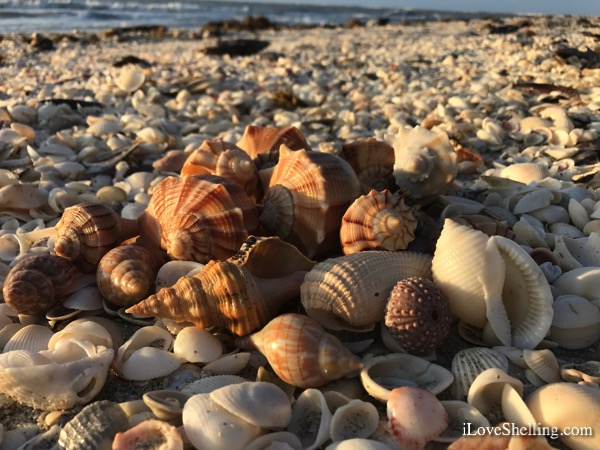
Sanibel Island, located off Florida’s southwest coast near Fort Myers, boasts one of the best shelling destinations in the United States. Its east-west orientation acts as a natural scoop, collecting shells carried in by Gulf currents. The beaches here are public with multiple access points. Some areas are adjacent to protected wildlife refuges. The landscape features soft, white sand, low dunes, and calm, shallow waters ideal for wading. Beachcombers regularly find lightning whelks, tulip shells, cockles, and sand dollars in remarkable condition. The practice known as the “Sanibel stoop” is common here, as visitors bend to examine the dense shell line. Dogs are allowed on many beaches but must be leashed, with some restrictions in conservation areas. Moreover, Sanibel Island is a perennially popular destination for beachcombing due to its unique geography and abundance of shells.
Gulf Shores Public Beach – Gulf Shores, Alabama
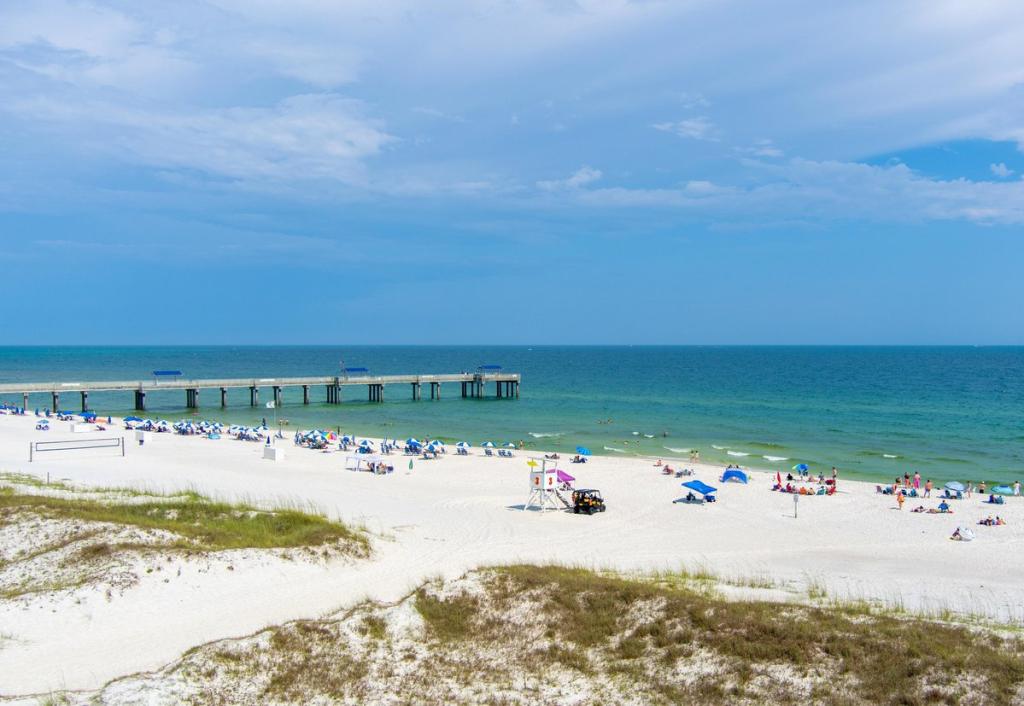
Situated in the town of Gulf Shores, this public beach offers wide, open stretches of sand backed by dunes and a developed yet well-maintained shoreline. The landscape is defined by soft, powdery sand and gentle surf, making it accessible for long walks. While it is a popular destination, early mornings and post-storm conditions reveal a range of finds, including coquina shells, sand dollars, and occasional starfish remains. The relatively mild wave action allows for intact shells, though quantities can vary. Dogs are generally not permitted on the main public beach, but nearby designated areas and parks accommodate pets. Therefore, planning is key.
Padre Island National Seashore – Near Corpus Christi, Texas
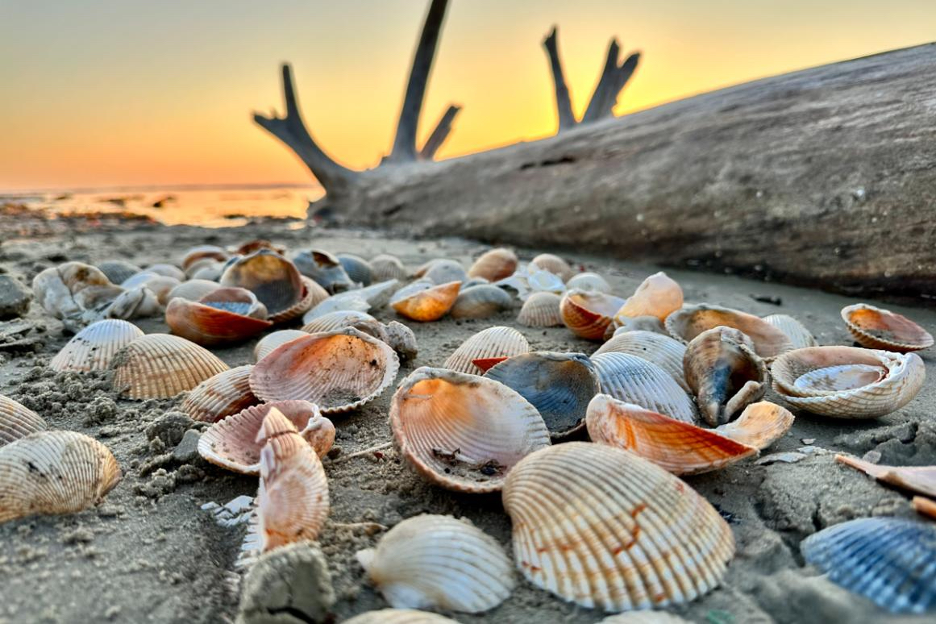
Stretching more than 60 miles along the Texas coast, Padre Island National Seashore offers one of the longest undeveloped barrier islands in the world. Located south of Corpus Christi, it is federally protected. It offers a remote, expansive landscape of dunes, tidal flats, and open shoreline. This isolation creates excellent conditions for beachcombing, particularly after storms, when currents deposit shells, driftwood, and marine debris along the high-tide line. Combers often find olive shells, shark teeth, and unique Gulf specimens shaped by long-distance currents. Regulations apply within the national seashore, so make sure you know the posted rules before collecting. Dogs are allowed on leash, making it one of the more flexible destinations for pet owners. Clearly, Padre Island offers a favorite location for anyone interested in beachcombing in a natural environment.
Henderson Beach State Park – Destin, Florida
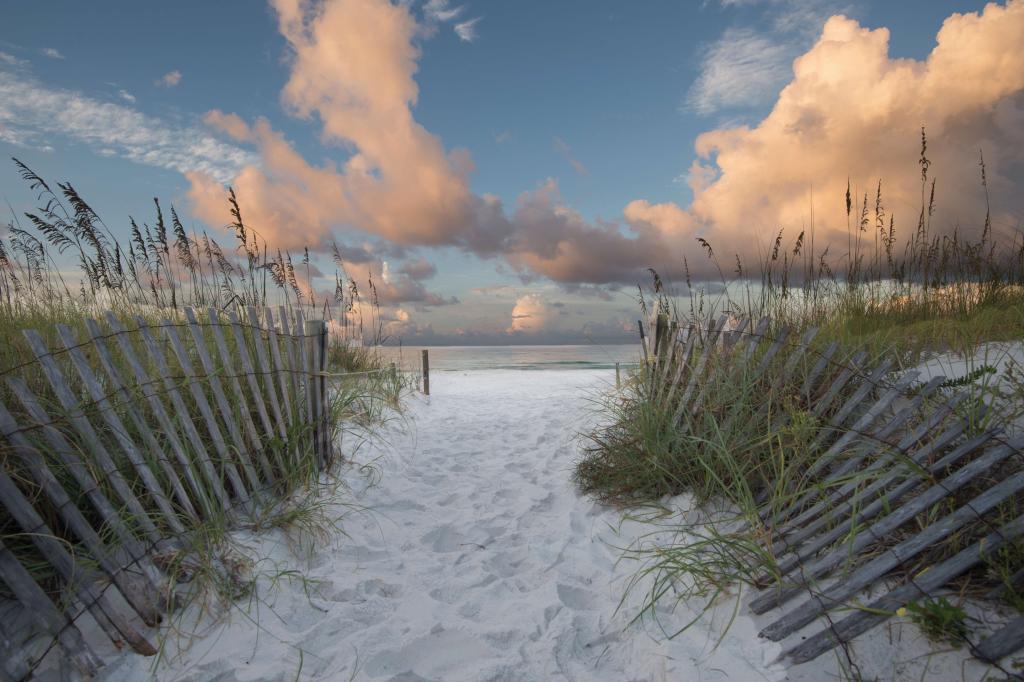
Located in Destin along Florida’s Emerald Coast, Henderson Beach State Park offers a more preserved alternative to the surrounding developed areas. The park features over 6,000 feet of shoreline bordered by protected dunes and coastal vegetation. The sand here is notably fine and white, composed largely of quartz, and the water is clear and calm. Beachcombers can expect to find scallop shells, coquinas, and small sand dollars, particularly near the waterline after tidal shifts. As a state park, the beach may have certain collection restrictions in place, so visitors should review the guidelines before removing items. Dogs are not permitted on the beach itself but are allowed in designated park areas.
Ship Island – Gulf Islands National Seashore, Mississippi
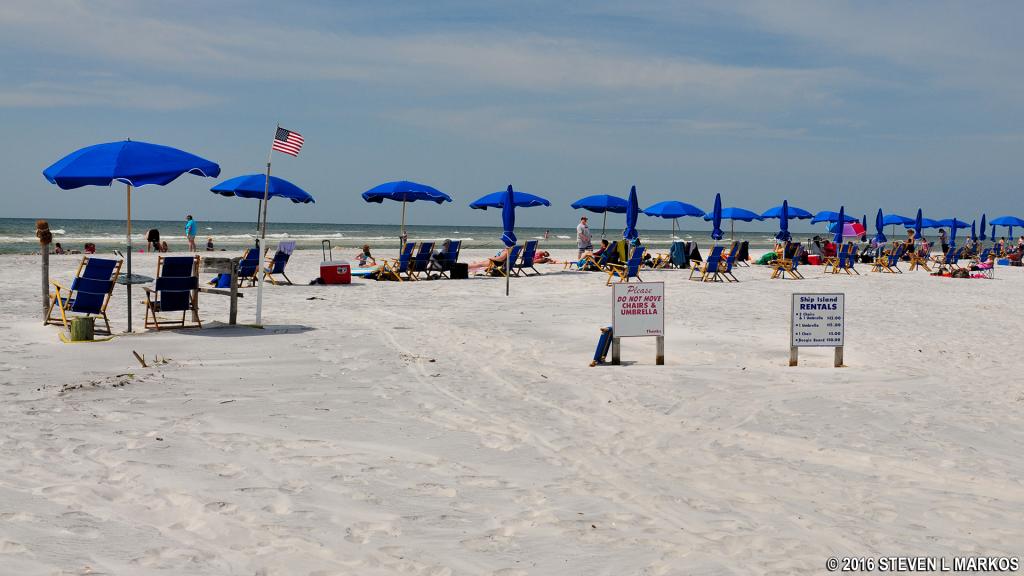
Accessible by ferry from Gulfport, Ship Island is part of the Gulf Islands National Seashore and offers a quieter, less developed beachcombing experience. The island’s landscape includes wide sandy beaches, sparse vegetation, and historic Fort Massachusetts, which adds a subtle cultural layer to the setting. The relative isolation and limited foot traffic make it a productive spot for finding shells such as augers, olives, and moon snails. The gentle Gulf surf helps preserve delicate specimens. As part of a protected seashore, be sure to review the collecting rules before removing items. Dogs are not allowed on the ferry or the island, helping maintain its controlled, conservation-focused environment.
Dauphin Island Public Beach – Dauphin Island, Alabama
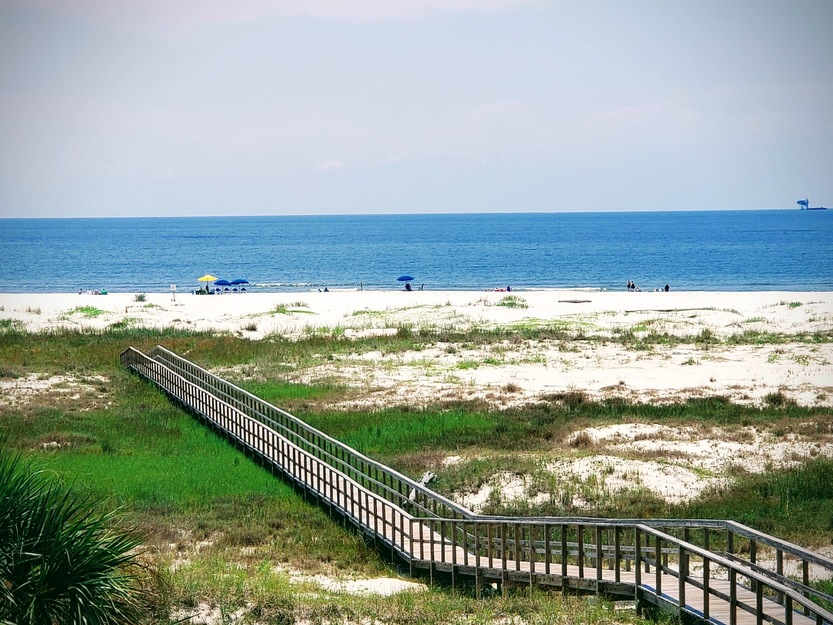
Located at the mouth of Mobile Bay, Dauphin Island offers a quieter alternative to more commercial Gulf destinations. Framed by marshland, dunes, and open Gulf views, its public beaches create a varied coastal environment. Its island position allows it to collect a mix of bay and Gulf specimens, making it a productive area for shelling. Beachcombers often find oyster shells, coquinas, and occasional larger shells after storm activity. The landscape feels less developed, with a slower pace that suits deliberate exploration. Leashed dogs are allowed in certain areas of the beach. However, restrictions may vary by access point.
The Gulf Coast rewards a different kind of attention—one that values subtle variation over dramatic shifts. Its beaches are less about spectacle and more about accumulation, where small details gather over time and reveal themselves to those willing to look closely. The consistency of the Gulf’s conditions allows for a more deliberate approach. Here, timing, weather, and patience play a central role. For those who return regularly, patterns emerge, and familiar beaches begin to feel layered with memory and change. Consequently, beachcombing can become a lifelong pursuit that connects people with nature and coastal history in a uniquely personal way. For more about living your best beach life, visit Beach Homes Lifestyles.