

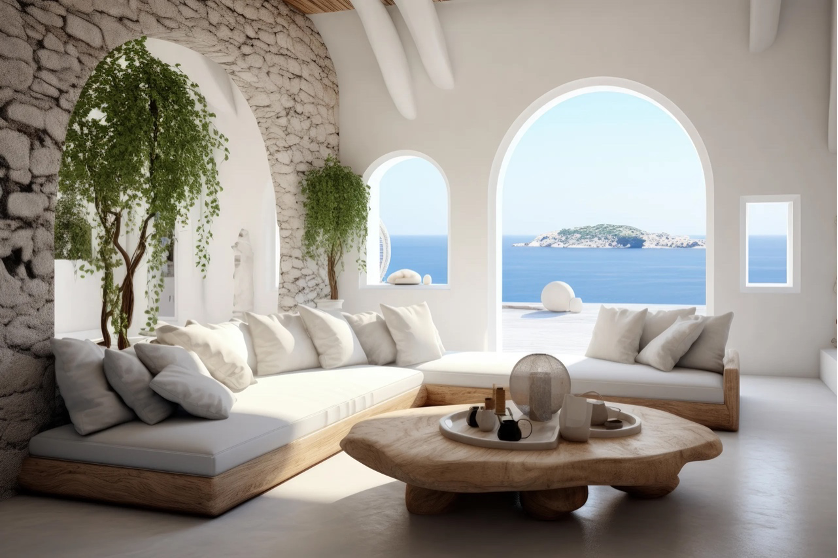
Coastal homeowners are entering 2026 with a sharper eye for materials, craftsmanship, and design longevity. Rather than leaning on predictable nautical motifs or seasonal décor, today’s beach and waterfront residents are seeking interiors that feel grounded, modern, and enduring. The emerging look is less about overt coastal references and more about establishing spaces that support ease of living, withstand humidity and high-traffic patterns, and elevate everyday rituals.
This shift reflects broader movements in design. There is an emphasis on sculptural lines, tactile surfaces, layered lighting, and sustainable materials. These materials patina beautifully over time. Beach homeowners increasingly want interiors that make sense with their surroundings—calming, resilient, and rooted in natural cues. Yet, they still feel curated and architecturally forward. Whether refreshing a kitchen, updating a primary suite, or refining a screened porch or outdoor lounge space, the coastal aesthetic in 2026 is defined by thoughtful restraint, quiet sophistication, and smart utility. The following eight décor trends illustrate how contemporary coastal homes can look elevated for years to come, without falling into overused themes or short-lived styles.
Soft, Sculptural Forms and Curved Silhouettes
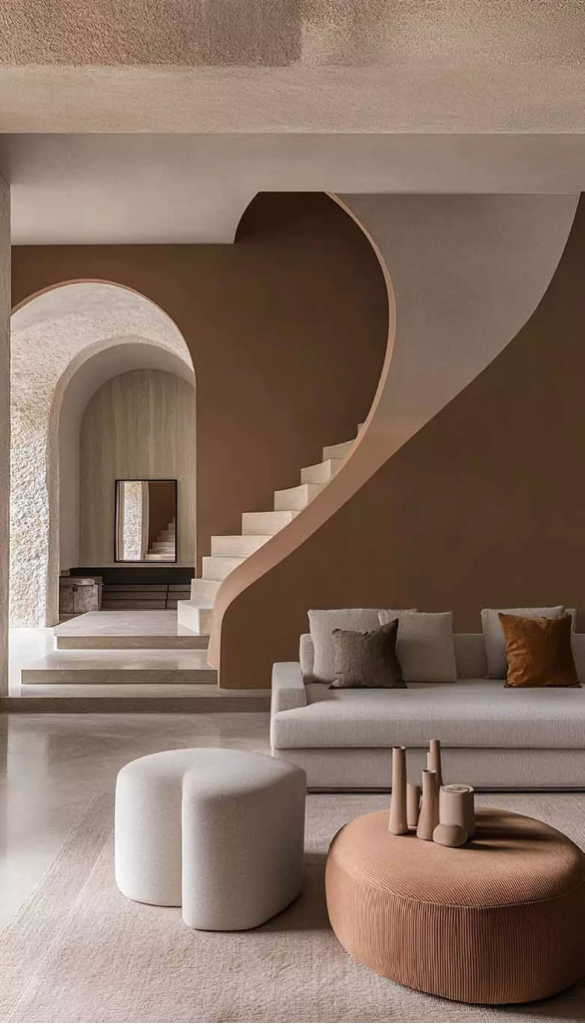
Curved sofas, rounded coffee tables, and arched built-ins are defining the 2026 aesthetic. While these forms have roots in mid-century and 1970s furniture design, they’ve resurfaced because they soften modern interiors dominated by rectilinear architecture. For Upper East and Mid-Atlantic homes, where historic cottages often feature crisp molding and traditional layouts, curved silhouettes add visual balance. In California or Pacific Northwest residences, where open floor plans and large windows prevail, sculptural curves anchor sprawling spaces. Importantly, they do so without feeling heavy. Incorporate this trend through barrel-backed dining chairs, organic plaster arches around shelving, or a curved kitchen island that improves circulation in high-traffic zones.
Textured & Tactile Surfaces
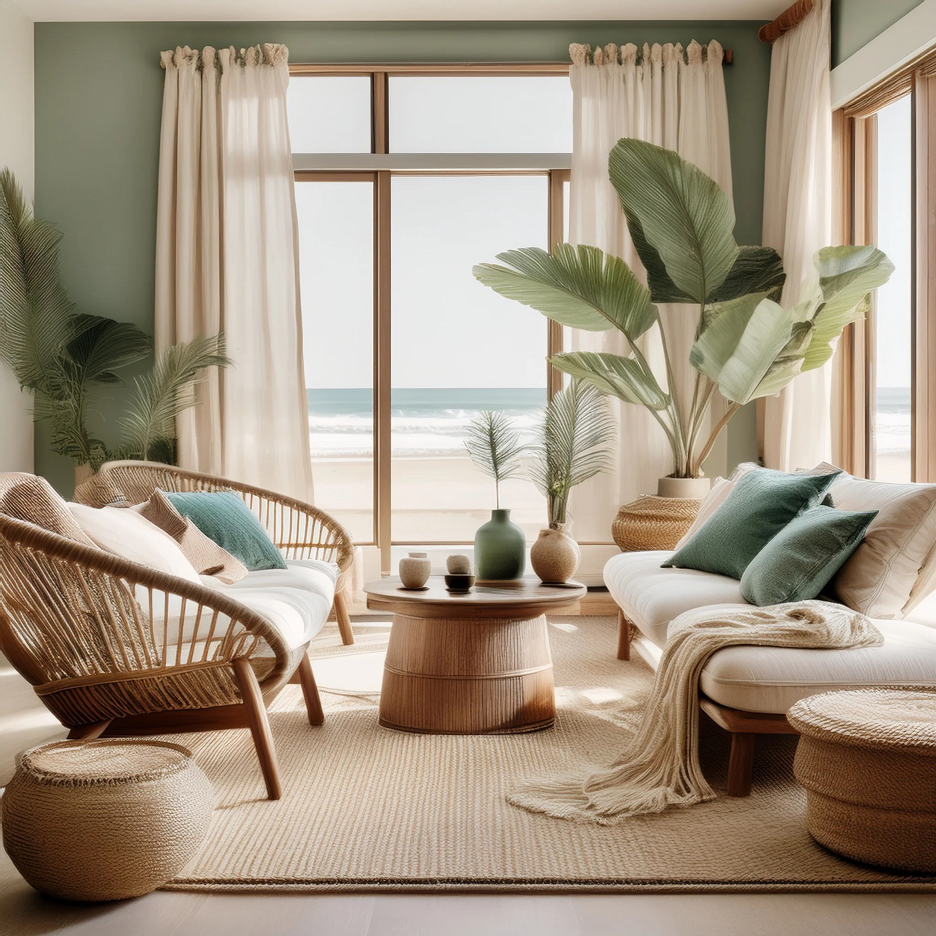
Coastal design in 2026 embraces depth through texture rather than color alone. Materials such as limewash, microcement, handwoven sisal, and ribbed tile bring durability and character. These are ideal for humid climates from the Southeast to the Texas Gulf. Historically used in Mediterranean and Japanese design, tactile finishes add quiet complexity while resisting the wear that beach homes endure. Kitchens benefit from fluted cabinetry or matte, plaster-like backsplashes. Meanwhile, bathrooms feel elevated with tumbled stone floors. Living spaces gain warmth from chunky woven throws or knotted wool rugs that hide sand and salt with ease. Outdoors, textured ceramic side tables or cane-wrapped lanterns create cohesion with natural surroundings.
Warm Neutrals & Earthy Accents
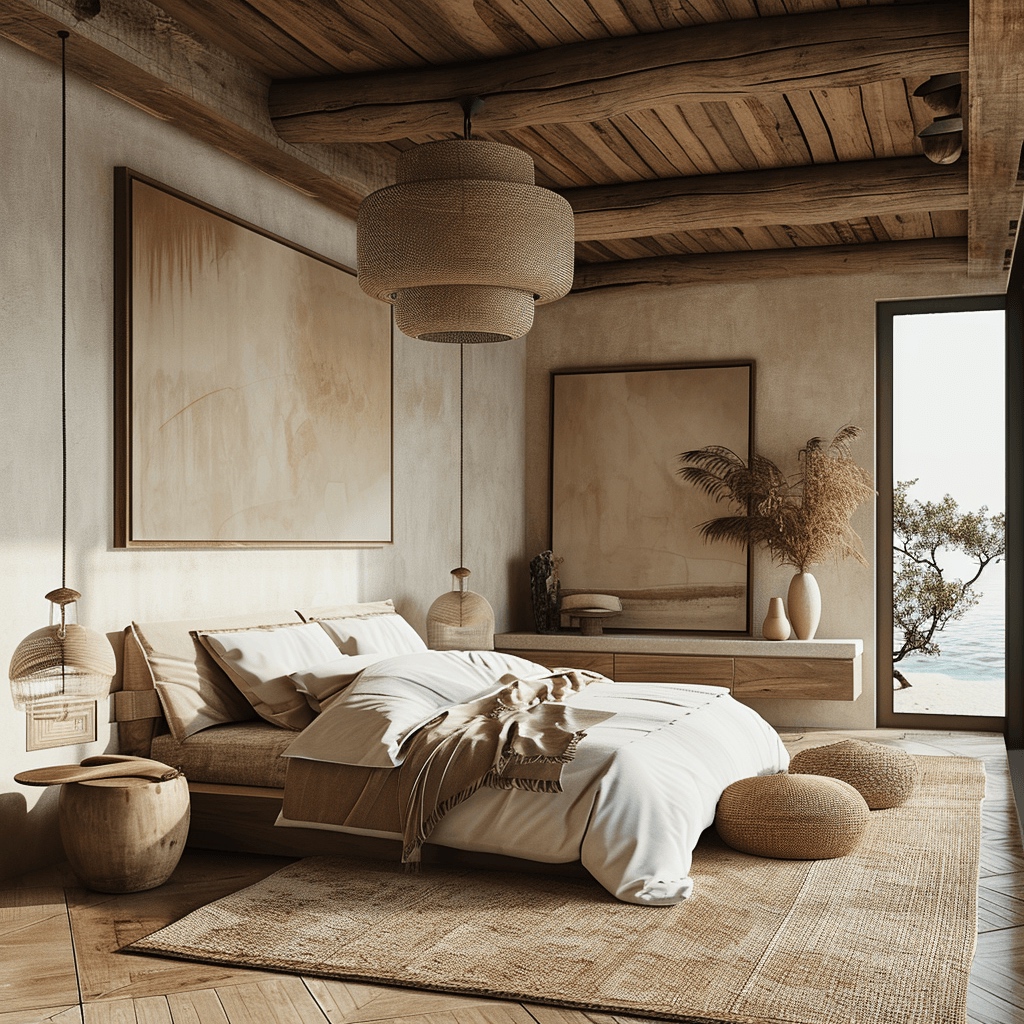
The cool grays of the 2010s continue to fade, replaced by sand, mushroom, ochre, and warm taupe—all tones that echo coastal landscapes without being literal. This palette’s longevity stems from its grounding nature and compatibility with a wide range of materials. Upper East and Mid-Atlantic homes can lean into richer tans inspired by dune grass. In contrast, Southeast and California homes might embrace sun-kissed creams that reflect bright light. Layer earthy accents through clay vessels, natural stone counters, warm wood paneling, or mineral-based paints that stand up to coastal humidity. Bedrooms particularly benefit from this palette, creating restful retreats with depth.
Sculptural & Artful Furniture

This trend merges décor and functionality by treating furniture as artistic expression. Historically, this idea traces back to postmodern design, when furnishings became experimental and bold. In 2026, the approach is softer—pieces with thoughtful craftsmanship and unique mineral, wood, or metal profiles. For coastal homes where visual clutter accumulates quickly, sculptural furniture delivers impact without overloading with accessories. Consider a single, shapely accent chair in a Pacific Northwest living room or a carved wood console in a Texas Gulf entryway. Outdoors, stone stools or twisted teak benches serve as focal points that withstand weather and salty air.
Layered Lighting & Cordless Lamps
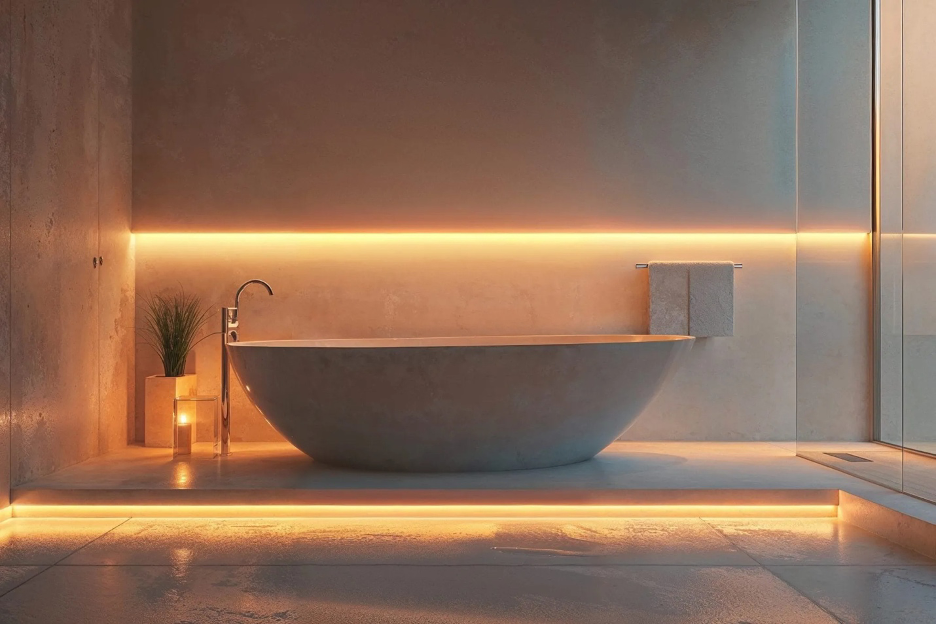
Lighting is evolving rapidly as cordless technology improves. Layered lighting—ambient, accent, and task—creates nuanced environments. This reduces reliance on overhead fixtures, which can feel harsh in open coastal interiors. Cordless lamps initially gained popularity for entertaining. However, their refined 2026 versions offer sculptural forms, dimming controls, and long battery life. They are ideal for window-wrapped California living rooms or screened porches in the Southeast. Add rechargeable sconces near beds, small table lamps on kitchen counters for evening warmth, or portable lanterns on decks and patios to extend outdoor living well past sunset.
Sustainable Luxury & Artisan Craftsmanship
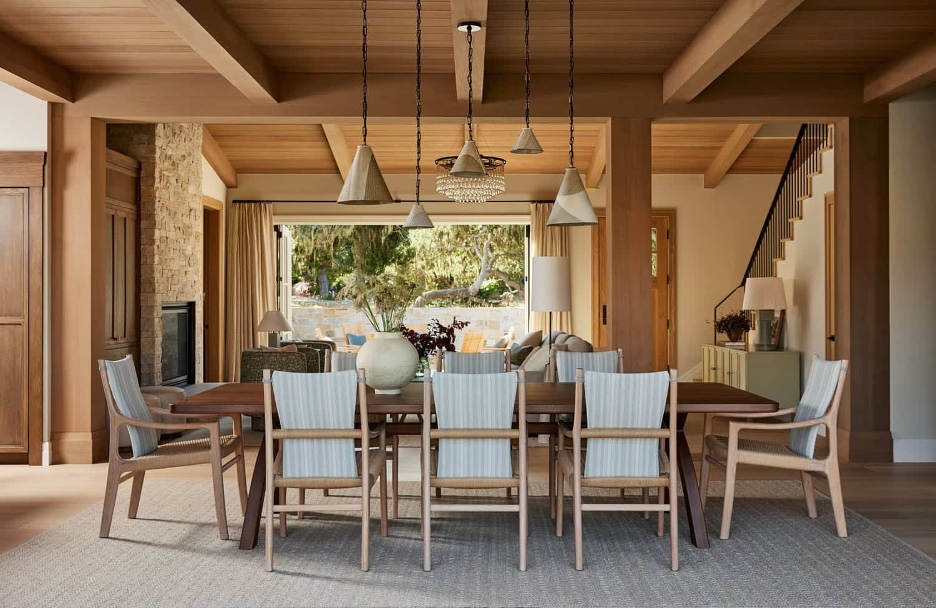
Coastal audiences increasingly want quality over quantity. Sustainable luxury prioritizes responsibly sourced materials—FSC-certified woods, recycled metals, organic textiles—and handcrafted goods made with durability in mind. This echoes global traditions where artisanal production has always emphasized longevity. In Upper East and Mid-Atlantic homes, handmade ceramic tiles and wool textiles bring heirloom appeal. In the Texas Gulf and Pacific Northwest properties, reclaimed wood furniture stands up to everyday use. Additionally, it highlights regional character. Incorporating this trend might mean choosing one custom dining table over several fast-furniture pieces, investing in handmade pendant lighting, or selecting artisan-made outdoor ceramics that age gracefully with the sea air.
Pattern Layering
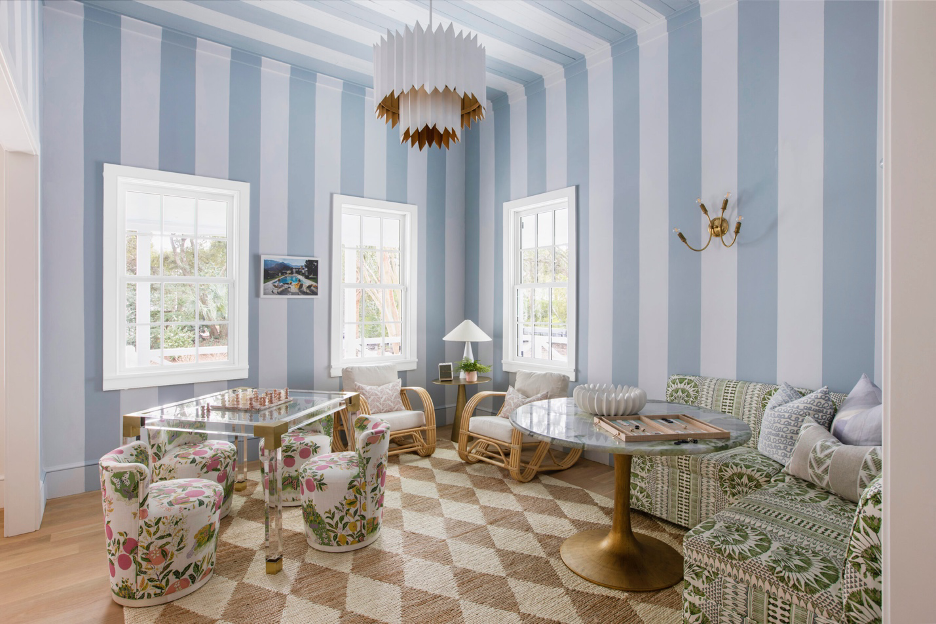
Pattern layering is moving beyond maximalist interiors and entering coastal design with well-balanced prints. 2026 favors mixing small-scale geometrics, tone-on-tone stripes, and organic motifs inspired by nature. This approach draws from British cottage design and earlier American coastal textiles. However, it feels updated through a refined palette. In bedrooms, mix striped duvet covers with a block-printed quilt. In living spaces, pair a textured neutral sofa with patterned throw pillows that echo regional cues—like soft blues in the Northeast or terracotta-inspired tones in California. Even kitchens can adopt this trend through patterned runners or Roman shades.
Seamless Spaces & Hidden Storage
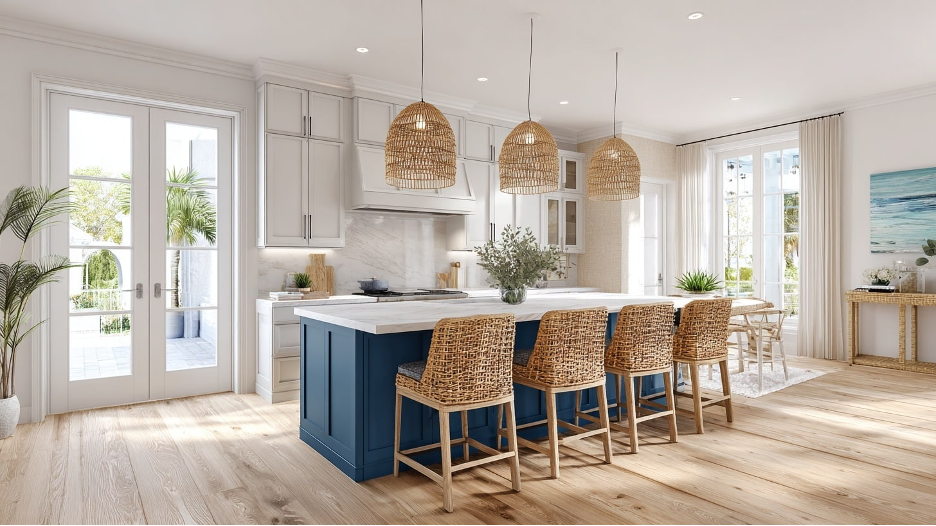
Functionality shapes this trend’s rise, particularly in beach settings where gear, linens, and outdoor equipment accumulate quickly. Seamless millwork, integrated appliances, and flush cabinetry lines originated in European kitchens but have become essential in modern coastal spaces. For Mid-Atlantic or Upper East homes with modest footprints, hidden storage under window seats or behind paneled walls keeps daily clutter out of sight. In California and the Pacific Northwest, where indoor–outdoor living is a continuous and seamless experience, transitions between patios and interior floors make entertaining effortless. Concealing storage within furniture—such as ottomans or platform beds—helps maintain visual calm in busy households.
As 2026 approaches, coastal décor increasingly leans toward thoughtful craftsmanship, long-lasting materials, and understated sophistication. These eight trends share a common thread: they enhance daily life while honoring the rhythms of coastal living. By investing in sculptural forms, tactile finishes, layered lighting, quality materials, and smart storage, beach homeowners across all U.S. regions can create interiors that will stand the test of time—calm, modern, and authentically connected to their environment.